Neuro Sciences
 Gastro Sciences
 Kidney Diseases
 Orthopedics
 Transplantation
 ENT and Head-Neck Surgery
 Advanced Trauma Center
 Cardiology
 Interventional Pulmonology
 Hematology and Bone Marrow Transplant(BMT)
 Anesthesia
 Critical Care Excellence: Comprehensive Intensive Care Services in Bangalore
 Dental Surgery and Oral Implants
 Dermatology and Cosmetic Surgery
 Endocrinology and Diabetology
 Facial Plastic and Reconstructive Surgery
 Family Medicine
 Internal Medicine
 Microbiology
 Obstetricians and Gynecology
 Oncology
 Ophthalmology
 Oral and Maxillofacial Surgery
 Pathology and Laboratory
 Pediatrics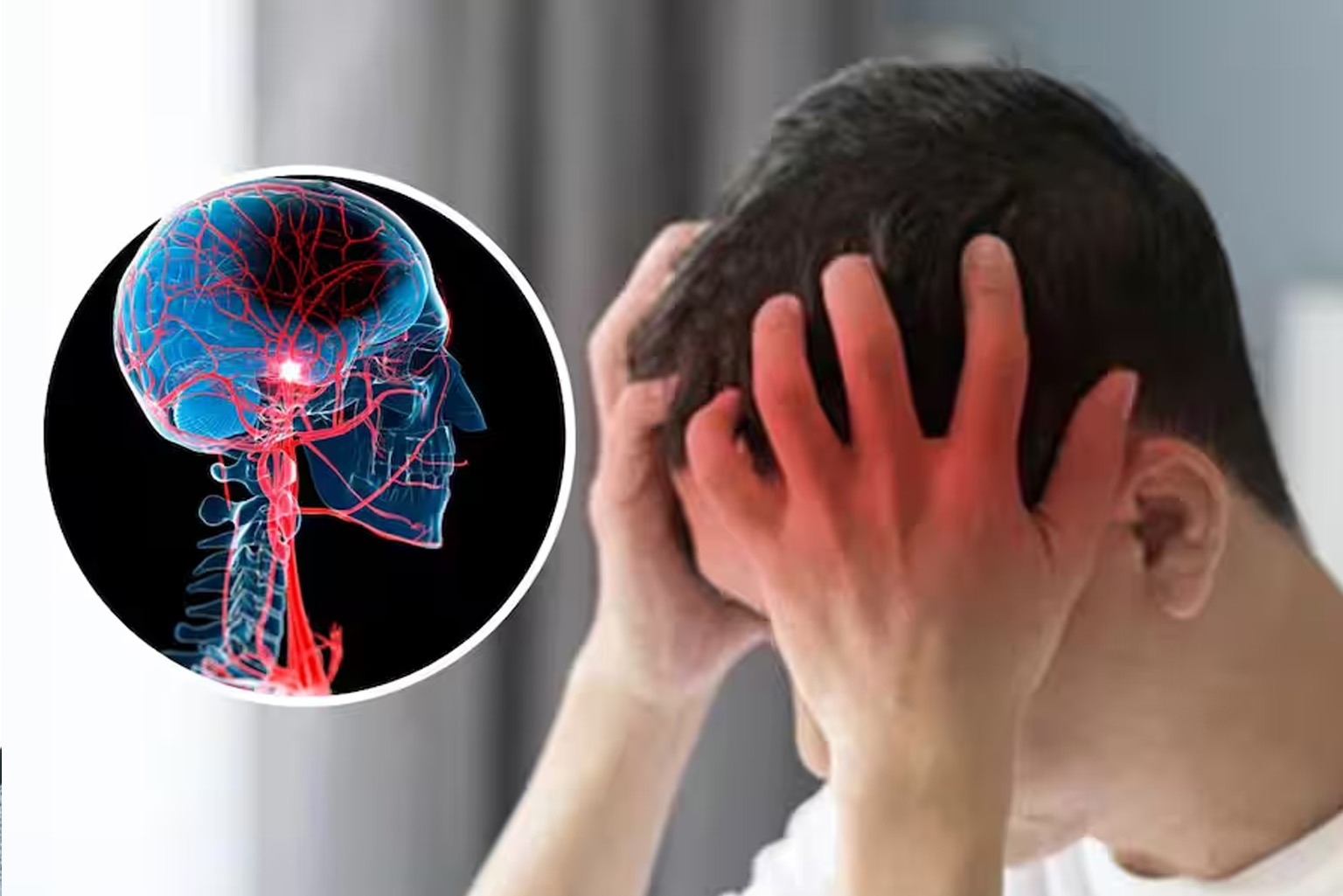
TWH Stroke Programme — Early Detection & Rapid Intervention
Among non-communicable disorders (NCDs), stroke remains the second leading cause of death and the third leading cause of death and disability combined. Over 7 million people die from stroke annually worldwide.
The number of people who suffer a stroke, die from it, or live with a disability after a stroke has increased substantially between 1990 and 2021.
Global and Indian Statistics
In 2021, there were 93.8 million prevalent and 11.9 million incident cases, with higher incidence and prevalence rates in low- and middle-income countries, including India.
According to a study in India, the incidence of stroke is 152 per 100,000 population per year. One in four people above age 25 years will have a stroke in their lifetime. Each year, about 15% of all strokes occur in people aged 15–49 years.
Globally, ischemic stroke constituted 65.3%, intracerebral hemorrhage (ICH) 28.8%, and subarachnoid hemorrhage (SAH) 5.8% of incident strokes.
Early Identification of Stroke
In stroke, time is brain — the more the delay in identifying and treating a stroke, the more the damage to the brain. The easiest way to recognize a stroke is through the acronym BEFAST:
- B – Loss of balance
- E – Blurred vision in eyes
- F – Facial drooping
- A – Arm weakness (single or multiple)
- S – Slurred speech
- T – Time to call emergency
Diagnosis of Stroke
Stroke is diagnosed through a combination of medical history, physical and neurological examination, and diagnostic imaging such as a CT scan or MRI. The initial goal is to determine the stroke type (ischemic or hemorrhagic) and its location, which guides immediate treatment. Further tests may be done to identify the cause and check for underlying heart or blood vessel problems.
Treatment
Early recognition of ischemic stroke is critically important because time from symptom onset to reperfusion is the key. Intravenous thrombolytic (fibrinolytic) drugs should be provided as early as possible, ideally within 3 hours after the onset of symptoms.
TWH Stroke Programme
After identifying the magnitude of the problem and its impact on the family and society, TWH is committed to early detection and intervention in stroke patients. We have a dedicated stroke team at the hospital and a stroke-ready ambulance.
Considering limited resources in smaller hospitals and unavoidable conditions like traffic in Bangalore that cause delays in diagnosis and early thrombolysis, TWH seeks to partner with nursing homes and hospitals willing to join hands and be part of the TWH Stroke Programme.
How We Partner
- If the nursing home or hospital is equipped with a CT scan, TWH can guide the emergency physician to diagnose and start thrombolytic therapy at the nursing home or primary hospital itself.
- If the hospital is not equipped with a CT scan, TWH can send a stroke-ready ambulance to the nursing home, monitor the patient throughout transport, and bring the patient to TWH where necessary imaging such as CT or MRI can be done. If required, thrombolysis will be initiated, and the patient can be shifted back to the nursing home or referring hospital for further management.
Together, we can ensure faster stroke management and better patient outcomes through timely diagnosis and treatment.