Neuro Sciences
 Gastro Sciences
 Kidney Diseases
 Orthopedics
 Transplantation
 ENT and Head-Neck Surgery
 Advanced Trauma Center
 Cardiology
 Interventional Pulmonology
 Hematology and Bone Marrow Transplant(BMT)
 Anesthesia
 Critical Care / Intensive Care
 Dental Surgery and Oral Implants
 Dermatology and Cosmetic Surgery
 Endocrinology and Diabetology
 Facial Plastic and Reconstructive Surgery
 Family Medicine
 Internal Medicine
 Microbiology
 Obstetricians and Gynecology
 Oncology
 Ophthalmology
 Oral and Maxillofacial Surgery
 Pathology and Laboratory
 Pediatrics
 Physiotherapy and Rehabilitation
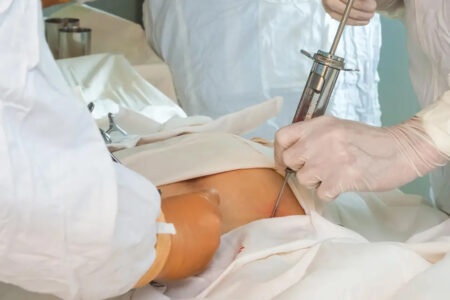
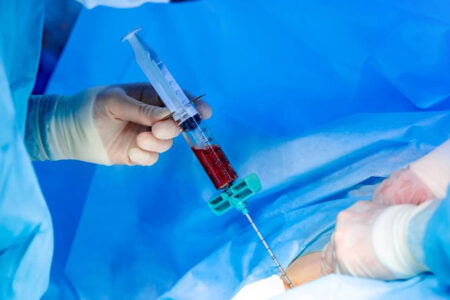
Bone Marrow Transplant (BMT) is often described as a life-saving procedure—and for many patients facing complex blood disorders and cancers, it truly is. Bone marrow is the soft, spongy tissue inside our bones that produces blood-forming stem cells, which later develop into red blood cells, white blood cells, and platelets. When this marrow is damaged due to disease or intensive treatments like chemotherapy or radiation, the body’s ability to fight infection, carry oxygen, and control bleeding is compromised. A Bone Marrow Transplant works by replacing unhealthy or destroyed marrow with healthy stem cells, helping restore normal blood production and giving patients a renewed chance at recovery.
Bone Marrow Transplant is commonly recommended for individuals with certain blood cancers and serious marrow-related conditions. These include leukaemia, lymphoma, multiple myeloma, aplastic anaemia, and some genetic or immune disorders where the bone marrow fails to function properly. In many cases, BMT is advised when standard treatments alone are not sufficient or when the disease has a high risk of recurrence. It is important to understand that not every patient with these conditions requires a transplant. The decision depends on several factors, such as the type and stage of the disease, the patient’s overall health, age, response to previous treatments, and availability of a suitable stem cell donor. .
There are different types of Bone Marrow Transplants, and the choice of transplant is tailored to each patient’s needs. In an autologous transplant, a patient’s own healthy stem cells are collected, stored, and later reinfused after high-dose therapy. In an allogeneic transplant, stem cells are sourced from a matched donor, which may be a family member or an unrelated donor. Each approach has specific indications, benefits, and risks. At this stage, expert evaluation becomes crucial. A multidisciplinary team carefully assesses compatibility, potential outcomes, and possible complications to ensure the most appropriate and safest treatment plan. .
Advanced cancer care today goes beyond the transplant procedure itself. Comprehensive Bone Marrow Transplant care involves detailed pre-transplant evaluation, meticulous monitoring during treatment, and structured post-transplant follow-up. Many aspects of evaluation and follow-up can be managed through OPD-based consultations, allowing patients to receive continuous expert guidance while maintaining comfort and accessibility. Infection prevention, nutritional support, emotional well-being, and long-term monitoring are all integral parts of the transplant journey. With the right expertise, complications can be identified early and managed effectively, significantly improving outcomes and quality of life. .
At Trustwell Hospitals, Bone Marrow Transplant care is built on the foundation of advanced medical knowledge, experienced specialists, and a patient-first approach. Every individual’s journey is handled with precision, compassion, and personalised attention—because cancer care is not just about treating a condition, but about supporting a person and their family through one of life’s most challenging phases. With the right expertise, advanced infrastructure, and coordinated care, Bone Marrow Transplant becomes not just a treatment, but a pathway to hope, healing, and renewed life. .