


 Neuro Sciences
 Gastro Sciences
 Kidney Diseases
 Orthopedics
 Transplantation
 ENT and Head-Neck Surgery
 Advanced Trauma Center
 Cardiology
 Interventional Pulmonology
 Hematology and Bone Marrow Transplant(BMT)
 Anesthesia
 Critical Care Excellence, Comprehensive Intensive Care Services in Bangalore
 Dental Surgery and Oral Implants
 Dermatology and Cosmetic Surgery
 Endocrinology and Diabetology
 Facial Plastic and Reconstructive Surgery
 Family Medicine
 Internal Medicine
 Microbiology
 Obstetrics and Gynaecology
 Oncology
 Ophthalmology
 Oral and Maxillofacial Surgery
 Pathology and Laboratory
 Pediatrics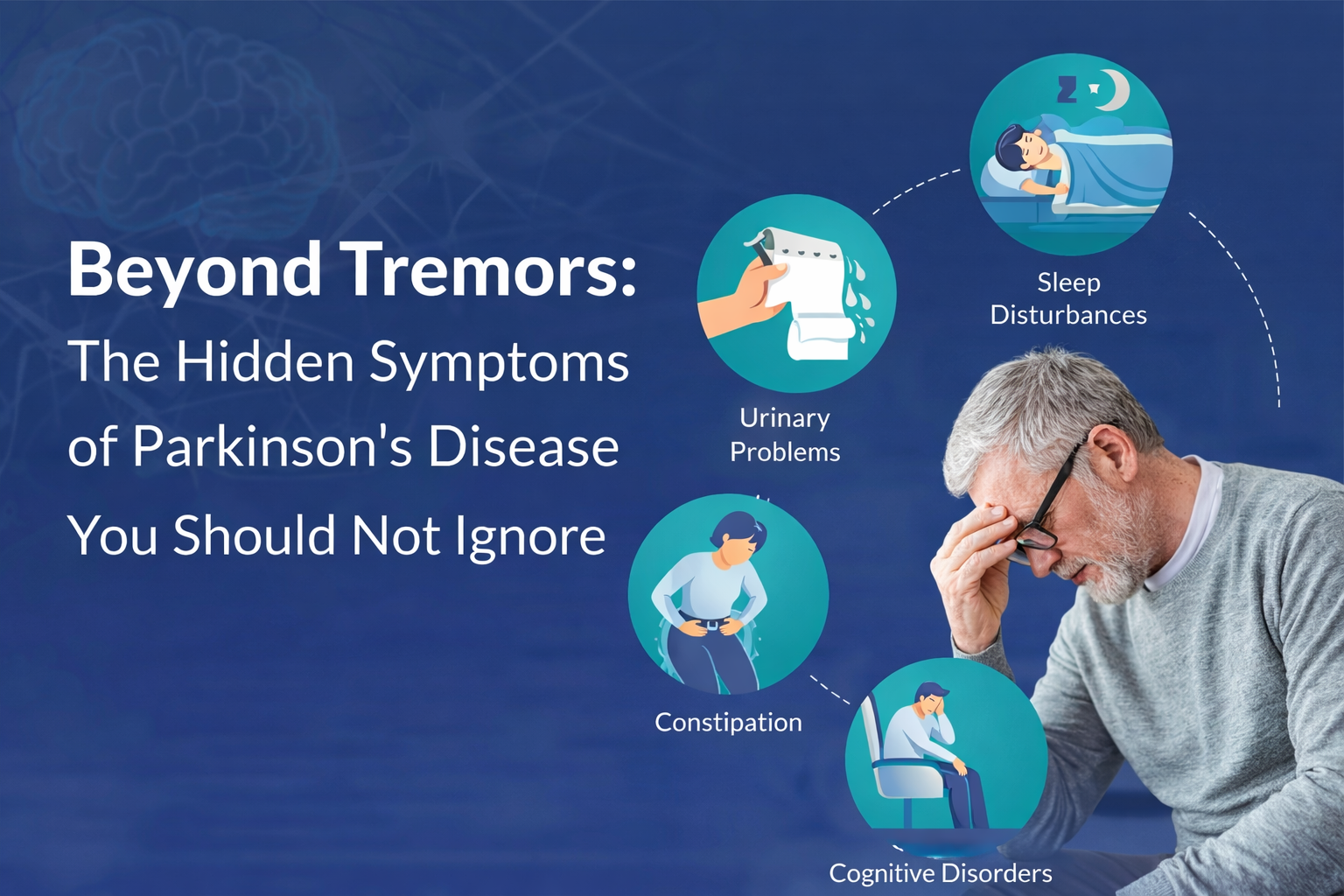
Parkinson’s disease is most commonly associated with visible symptoms such as tremors, stiffness, and slowed movement. While these physical signs are often the first to be noticed, they represent only one part of a much broader condition. Many lesser-known symptoms begin much earlier and can significantly affect daily life, often going unrecognised or misunderstood. On World Parkinson’s Day, it is important to shift the conversation beyond what we can see and understand the hidden aspects of the disease. Recognising these early and non-motor symptoms can lead to timely diagnosis, better management, and improved quality of life for those affected.
One of the most overlooked aspects of Parkinson’s disease is its impact on mental and emotional health. Mood changes such as depression, anxiety, and a general sense of low motivation are common, sometimes appearing years before physical symptoms. These changes are not simply reactions to the diagnosis but are linked to chemical changes in the brain. Individuals may feel persistently low, lose interest in activities they once enjoyed, or experience increased worry without a clear reason. Because these symptoms are subtle and often attributed to stress or lifestyle factors, they may go untreated. However, addressing mental health is a crucial part of Parkinson’s care, as it directly influences overall well-being and response to treatment.
Cognitive changes are another important yet less visible aspect of Parkinson’s disease. Some individuals may notice difficulty with concentration, slower thinking, or challenges in planning and decision-making. Memory issues can also arise over time, affecting daily functioning and independence. These cognitive changes may develop gradually, making them easy to overlook in the early stages. However, early recognition allows for better support, lifestyle adjustments, and medical management that can help maintain cognitive function for longer. Encouraging open communication about these challenges helps reduce stigma and ensures that patients receive comprehensive care beyond just physical symptoms.
Sleep disturbances are also commonly reported but frequently underestimated. People with Parkinson’s may experience difficulty falling asleep, frequent awakenings, vivid dreams, or daytime fatigue. In some cases, conditions like REM sleep behaviour disorder may cause individuals to physically act out their dreams during sleep. Poor sleep quality not only affects energy levels but can also worsen other symptoms such as mood changes, concentration difficulties, and physical fatigue. Addressing sleep-related concerns through medical guidance and lifestyle changes is essential in improving overall quality of life.
Another group of symptoms, known as autonomic symptoms, can significantly impact everyday comfort and routine. These include issues such as constipation, dizziness when standing, urinary problems, and changes in blood pressure. Constipation, in particular, is one of the earliest signs of Parkinson’s disease and may appear long before motor symptoms. Dizziness or lightheadedness can increase the risk of falls, while other autonomic changes may affect digestion and daily functioning. Although these symptoms may seem unrelated at first, they are part of the broader neurological impact of Parkinson’s and should not be ignored.
Parkinson’s disease is not just a movement disorder — it is a condition that affects multiple aspects of a person’s life, both physically and emotionally. Understanding the full spectrum of symptoms helps patients, families, and caregivers approach the condition with greater awareness and preparedness. On this World Parkinson’s Day, let us look beyond tremors and recognise the hidden signs that often go unnoticed. Early identification, timely medical care, and a holistic approach to treatment can make a meaningful difference in managing the disease and improving quality of life. Because when we understand the condition more completely, we are better equipped to support those living with it — with care, compassion, and confidence.

