A New Milestone: Successfully accredited with NABH 6th Edition – Redefining standards in healthcare quality and patient safety | Live vitals. Real-time data. Faster care. Trustwell Hospitals unveils Karnataka’s first 5G SMART ambulance |
Find a Doctor Book Online Appointment
Spine Surgery Symptoms

Spine Surgery Symptoms

Spine Surgery Symptoms

spine surgery symptoms

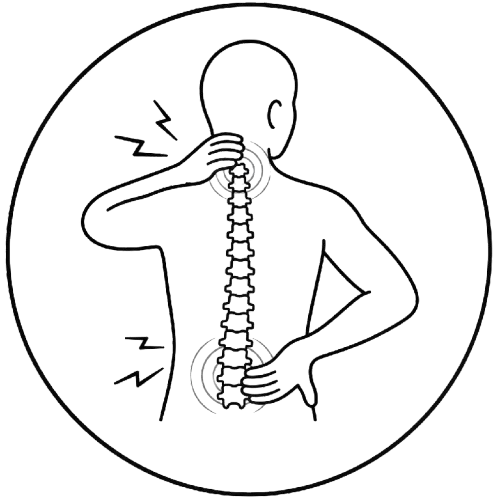
Persistent back pain, neck pain, numbness, weakness, and pain that spreads into the arms or legs are some of the most common symptoms that may indicate a spinal condition requiring specialist evaluation. Not everyone with these symptoms needs spine surgery, and the underlying cause, severity, and duration of symptoms help determine the most appropriate treatment. Many spinal disorders share similar symptoms, including slipped discs, spinal stenosis, nerve compression, arthritis, and spinal injuries. A thorough assessment by a spine specialist helps identify the exact cause and determine whether non-surgical treatment or further intervention is appropriate.

Common Symptoms of Spine Conditions That May Require Surgical Evaluation Include:

  • Persistent back pain
  • Chronic neck pain
  • Pain radiating into the arms or legs
  • Numbness or tingling
  • Muscle weakness
  • Difficulty walking or maintaining balance
  • Reduced hand coordination
  • Pain that interferes with sleep
  • Loss of bladder or bowel control (medical emergency)
  • Symptoms that do not improve with conservative treatment

Persistent Back Pain

Back pain that continues for several weeks or months despite rest, medications, or physiotherapy may indicate an underlying spinal condition. The discomfort may become more noticeable while standing, walking, lifting objects, or remaining in one position for long periods. Some people experience pain every day, while others notice symptoms that gradually become more frequent and intense over time.

Chronic Neck Pain

Ongoing neck pain may develop because of age-related spinal changes, disc problems, arthritis, or nerve compression. The discomfort can make everyday activities such as driving, reading, or working at a computer increasingly uncomfortable. Some patients also notice reduced flexibility, making it difficult to turn the head fully from side to side.

Pain Radiating Into the Arms or Legs

Pain that travels from the neck into the shoulder, arm, or hand, or from the lower back into the buttock, thigh, calf, or foot, may occur when a spinal nerve becomes irritated or compressed. The pain may feel sharp, burning, shooting, or electric-like and often follows the path of the affected nerve.

Numbness or Tingling

Some patients notice tingling, pins-and-needles sensations, or reduced feeling in the arms, hands, legs, or feet. These sensations may come and go initially but can become more persistent as nerve irritation continues. Depending on the affected spinal level, numbness may involve one limb or both.

Muscle Weakness

Weakness in the arms, hands, legs, or feet may make lifting objects, climbing stairs, gripping items, or walking more difficult than usual. Unlike pain alone, muscle weakness may indicate that the affected nerve is no longer functioning normally and requires careful medical assessment.

Difficulty Walking or Maintaining Balance

Certain spinal conditions can affect coordination, balance, and walking ability. Patients may feel unsteady, walk more slowly, or notice difficulty maintaining balance on uneven surfaces. These changes often develop gradually and may become more noticeable over time.

Reduced Hand Coordination

Compression of nerves in the neck or spinal cord may affect fine hand movements. Patients sometimes notice difficulty buttoning clothes, writing, using mobile phones, or handling small objects. Although these symptoms may develop slowly, they should not be ignored if they continue to worsen.

Pain That Interferes With Sleep

As spinal conditions progress, pain may continue even while lying down or changing sleeping positions. Interrupted sleep can contribute to daytime tiredness and reduced quality of life. Persistent night pain should always be discussed with a spine specialist.

Loss of Bladder or Bowel Control

A sudden loss of bladder or bowel control, especially when accompanied by severe back pain, numbness around the groin, or leg weakness, may indicate serious pressure on the spinal nerves. This is a medical emergency that requires immediate evaluation and should not be delayed.

Symptoms That Do Not Improve With Conservative Treatment

Many spinal conditions improve with medications, physiotherapy, activity modification, or other non-surgical treatments. However, if symptoms continue to affect mobility, work, sleep, or everyday activities despite appropriate care, further evaluation may be required to determine the next steps.

Where Is Spine Pain Usually Felt?

Spinal pain may occur anywhere along the neck, upper back, middle back, or lower back, depending on the affected area. Some people experience pain only in one location, while others notice it spreading into the shoulders, arms, buttocks, or legs because of nerve compression. Symptoms may worsen with prolonged sitting, standing, walking, bending, or lifting and can vary from day to day.

What Causes Spine Surgery Symptoms?

Spine surgery symptoms usually develop when the spinal bones, discs, joints, or nerves become damaged or compressed. The underlying condition determines the type and severity of symptoms, and many patients improve with conservative treatment before surgery is considered.

Herniated (Slipped) Disc

A damaged spinal disc may press on nearby nerves, leading to pain, numbness, tingling, or weakness in the arms or legs depending on the affected part of the spine.

Spinal Stenosis

Spinal stenosis occurs when the spinal canal narrows and places pressure on the spinal cord or nerves. This narrowing is often associated with age-related changes in the spine.

Degenerative Disc Disease

As spinal discs lose water content and flexibility with age, they may provide less cushioning between the vertebrae, contributing to pain and reduced spinal function.

Spondylolisthesis

This condition develops when one vertebra slips forward over another, potentially affecting spinal alignment and increasing pressure on nearby nerves.

Spinal Fractures or Trauma

Road traffic accidents, falls, sports injuries, or osteoporosis-related fractures can damage the spine and sometimes require specialist evaluation depending on the severity of the injury.

Spinal Tumours or Infections

Although less common, abnormal growths or infections affecting the spine may produce persistent symptoms that require prompt medical investigation.

Who Is More Likely to Develop Spine Conditions?

Spinal disorders can affect anyone, but some people have a higher risk than others. People at increased risk include:
  • Adults over 50 years of age
  • Individuals with age-related spinal degeneration
  • People with previous spine injuries or fractures
  • Those whose work involves repetitive lifting or prolonged sitting
  • Individuals with poor posture over many years
  • People who are overweight or obese
  • Smokers
  • Individuals with osteoporosis
  • Athletes participating in high-impact sports
  • People with a family history of certain spinal disorders

Can Spine Conditions Be Prevented?

Although spine conditions cannot always be prevented, certain healthy habits may help lower the risk of developing long-term spinal problems or reduce further deterioration. You may help protect your spine by:
  • Maintaining a healthy body weight
  • Exercising regularly to strengthen the back and core muscles
  • Following proper lifting techniques
  • Practising good sitting and standing posture
  • Avoiding prolonged sitting without movement breaks
  • Stopping smoking to support spinal health
  • Managing osteoporosis and other chronic medical conditions
  • Using appropriate protective equipment during sports
  • Seeking early treatment for persistent back or neck pain
Looking after spinal health may reduce unnecessary strain on the vertebrae, discs, muscles, and supporting ligaments over time. Patients who wish to understand treatment options in greater detail may also find information on Types of Spine Surgery and Spine Surgery Symptoms helpful before their consultation.

How Are Spine Conditions Diagnosed?

Doctors diagnose spinal conditions by reviewing your symptoms, performing a physical examination, and recommending imaging studies when needed. The tests depend on the location of the pain, nerve involvement, and the suspected underlying spinal disorder. Investigations may include:
  • Medical history and symptom review
  • Physical examination
  • Neurological assessment
  • Digital X-rays
  • MRI scan
  • CT scan (in selected cases)
  • Bone density test when osteoporosis is suspected
  • Blood tests if infection or inflammatory conditions are suspected
  • Other specialised investigations based on individual findings

What Happens If Spine Symptoms Do Not Improve?

Some spinal conditions improve with conservative treatment, while others may require additional care if symptoms continue or neurological problems develop. Treatment may include:
  • Activity modification
  • Pain-relieving medicines
  • Physiotherapy and guided rehabilitation
  • Lifestyle changes
  • Epidural or spinal injections for selected patients
  • Minimally invasive spine procedures when appropriate
  • Spine surgery for carefully selected patients with persistent symptoms or significant nerve compression
The treatment plan depends on the underlying spinal condition rather than the symptoms alone.

How Do Doctors Choose the Right Treatment?

There is no single treatment that works for everyone. Your spine specialist considers several factors before recommending a management plan, including:
  • Severity and duration of symptoms
  • Location of the spinal problem
  • MRI or CT scan findings
  • Presence of nerve compression
  • Age and overall health
  • Response to previous treatments
  • Daily activities and personal goals
The objective is to choose the least invasive treatment that safely improves pain, mobility, and quality of life whenever possible.

How Much Does Treatment Cost?

The cost of spine treatment varies depending on the underlying condition, investigations required, hospital stay, type of treatment, implants (if surgery is required), rehabilitation, and individual medical needs. A personalised cost estimate is provided after clinical evaluation

When Should You See a Doctor?

Mild back or neck pain does not always require urgent treatment, but certain symptoms should not be ignored. Seek medical evaluation if you experience:
  • Back or neck pain lasting several weeks
  • Pain spreading into the arms or legs
  • Persistent numbness or tingling
  • Muscle weakness affecting daily activities
  • Difficulty walking or maintaining balance
  • Symptoms that continue despite medicines or physiotherapy
  • Pain following a significant injury
  • Loss of bladder or bowel control (seek emergency medical attention immediately)
📞 Call 8045666777

Frequently Asked Questions About Spine Surgery Symptoms

Can spine symptoms come and go?

Yes. Many spinal conditions cause symptoms that fluctuate. Pain or numbness may improve temporarily and then return after prolonged sitting, standing, lifting, or physical activity.

Does sitting for long hours make spine symptoms worse?

For many people, prolonged sitting can increase pressure on the spine and aggravate existing symptoms. Taking regular breaks and maintaining good posture may help reduce discomfort.

Can stress increase back or neck pain?

Stress does not directly cause spinal disorders, but it can increase muscle tension and make existing back or neck pain feel more noticeable in some individuals.

Can I continue exercising if I have spine symptoms?

Many people can continue with low-impact activities such as walking or supervised exercises. High-impact activities or heavy lifting should be discussed with your doctor if symptoms are significant.

Can spine problems affect sleep?

Yes. Persistent pain, nerve irritation, or difficulty finding a comfortable sleeping position may interrupt sleep and contribute to daytime fatigue.

Can spine conditions be mistaken for other health problems?

Yes. Hip disorders, shoulder conditions, peripheral nerve disorders, arthritis, and certain muscle injuries can produce symptoms similar to spinal conditions. A detailed evaluation helps identify the correct diagnosis.

Can delaying treatment make recovery more difficult?

Some spinal conditions may gradually progress if nerve compression continues untreated. Early assessment helps identify appropriate treatment before symptoms begin affecting strength, mobility, or daily function.

Will everyone with severe back pain need spine surgery?

No. Most people with back or neck pain improve with non-surgical treatment. Spine surgery is usually considered only after careful evaluation when conservative treatment has not provided sufficient relief or when significant nerve compression or spinal instability is present.

Conclusion

Persistent back pain, neck pain, numbness, weakness, or pain radiating into the arms or legs may indicate an underlying spinal condition, but these symptoms do not automatically mean surgery is required. Many spinal disorders can produce similar complaints, making an accurate diagnosis essential. Early medical evaluation helps identify the cause of your symptoms and allows your spine specialist to recommend the most appropriate treatment. Whether care involves physiotherapy, medication, minimally invasive procedures, or surgery, timely assessment can help protect spinal function and improve your quality of life.
Book an Appointment