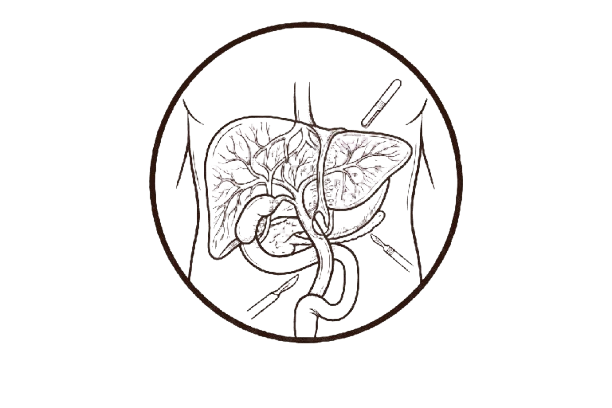
Liver Treatment Hospital in Bangalore
Persistent fatigue, yellowing of the eyes, abdominal swelling or abnormal liver function tests may indicate an underlying liver condition that requires specialist evaluation. At Trustwell Hospitals, our surgical gastroenterology and hepatology team provides comprehensive liver treatment in Bangalore, offering personalised care for fatty liver disease, hepatitis, liver cirrhosis, liver cysts, liver tumours and other complex liver disorders using evidence-based medical and surgical treatment.
✔ 10+ Years of Surgical Expertise
✔ 2,000+ Liver & GI Patients Managed
✔ 95%+ Patient Satisfaction
✔ Advanced Liver Diagnostics
✔ Cashless Insurance Assistance
✔ NABH Accredited Hospital
Consult Our Liver Specialist
Are You Experiencing These Symptoms?
Liver diseases can produce different symptoms depending on the underlying condition, the amount of liver damage and whether complications have developed. Some patients have very mild symptoms, while others experience signs only after the disease has progressed.
Persistent Fatigue
Feeling unusually tired despite adequate rest may occur when the liver is unable to perform its normal metabolic functions efficiently. Persistent fatigue that continues for several weeks deserves medical evaluation, especially if accompanied by other symptoms.
Yellowing of the Eyes or Skin
When the liver cannot process bilirubin effectively, a yellow pigment begins to accumulate in the body, leading to yellowing of the eyes and skin, a condition known as jaundice. Jaundice should always be assessed promptly to determine its underlying cause.
Pain or Heaviness in the Upper Right Abdomen
Some liver conditions may cause discomfort or a feeling of fullness beneath the right side of the rib cage. The pain can range from mild aching to persistent discomfort depending on the underlying disease.
Swelling of the Abdomen
Fluid may gradually collect inside the abdominal cavity when advanced liver disease affects normal circulation. This condition, called ascites, can make the abdomen appear enlarged and may interfere with eating, breathing and daily activities.
Loss of Appetite
People with liver disease often notice reduced appetite or feel full after eating small amounts of food. Ongoing loss of appetite may contribute to unintentional weight loss and nutritional deficiencies.
Nausea or Vomiting
Inflammation affecting the liver may interfere with digestion and contribute to recurring nausea or occasional vomiting. These symptoms can also occur alongside abdominal discomfort and poor appetite.
Dark-Coloured Urine
Urine may become darker than usual when excess bilirubin is eliminated through the kidneys. Persistent changes in urine colour should be evaluated together with other symptoms.
Pale-Coloured Stools
The stool may appear unusually light or clay coloured when bile flow from the liver becomes reduced or obstructed. This symptom can indicate conditions affecting the liver or bile ducts.
Easy Bruising or Bleeding
The liver produces several proteins involved in normal blood clotting. When liver function declines, bruising or prolonged bleeding may occur more easily than expected.
Unexplained Weight Loss
Loss of body weight without changes in diet or physical activity may occur in chronic liver disease or liver tumours. Specialist assessment helps determine whether liver disease or another condition is responsible.
Swelling of the Legs
Fluid retention may cause swelling around the ankles and lower legs when advanced liver disease affects the body’s fluid balance. Persistent swelling should not be ignored.
Mental Confusion or Difficulty Concentrating
Advanced liver disease can allow waste products to accumulate in the bloodstream, affecting brain function. Patients may notice forgetfulness, confusion or difficulty concentrating, requiring prompt medical evaluation.
These symptoms do not always indicate liver disease. A specialist consultation and appropriate investigations help identify the underlying cause and determine the most suitable treatment approach.
How Are Liver Diseases Diagnosed?
The type of liver disease, the extent of liver damage and the presence of complications help determine the most appropriate treatment approach. A detailed evaluation allows specialists to identify the exact cause before recommending medical management, minimally invasive procedures or surgery.
Blood Tests
Blood investigations assess liver function by measuring enzymes, bilirubin, proteins and blood clotting factors. These results help detect inflammation, infection, reduced liver function and other abnormalities while also monitoring disease progression.
Liver Function Test (LFT)
A Liver Function Test measures how well the liver is performing its essential functions. It helps identify early liver injury, monitor chronic liver disease and evaluate the response to ongoing treatment.
Ultrasound Abdomen
Ultrasound uses sound waves to examine the liver, gallbladder and surrounding organs. It helps detect fatty liver, liver enlargement, cysts, gallstones, fluid accumulation and other structural abnormalities without exposing the patient to radiation.
CT Scan or MRI Liver
CT and MRI scans provide detailed cross-sectional images of the liver, allowing specialists to evaluate liver tumours, cirrhosis, vascular abnormalities and complex liver diseases. These imaging studies also help plan surgical treatment when required.
FibroScan (Liver Elastography)
FibroScan is a specialised, non-invasive test that measures liver stiffness. Increased stiffness may indicate fibrosis or cirrhosis, helping doctors assess the severity of chronic liver disease without requiring surgery.
Viral Hepatitis Screening
Blood tests are performed to identify viral infections such as Hepatitis B and Hepatitis C. Early diagnosis helps determine the need for antiviral treatment and reduces the risk of long-term liver damage.
Liver Biopsy
In selected patients, a small sample of liver tissue may be collected for microscopic examination. A biopsy helps confirm the diagnosis when imaging and blood tests alone cannot identify the underlying condition with certainty.
Endoscopy for Portal Hypertension
Patients with advanced liver disease may undergo upper gastrointestinal endoscopy to detect enlarged veins, known as varices, in the food pipe or stomach. Early detection helps reduce the risk of serious bleeding complications.
Diagnostic findings help determine whether lifestyle modification, medication, minimally invasive intervention or advanced liver surgery is the most appropriate treatment for each patient.
Why Do Patients Choose Trustwell Hospitals for Liver Treatment in Bangalore?
Choosing a liver treatment hospital involves more than managing abnormal liver tests. Patients benefit from accurate diagnosis, multidisciplinary evaluation, personalised treatment planning and continuous monitoring that supports both short-term recovery and long-term liver health.
Expertise in Complex Liver Disorders
Our surgical gastroenterology team has managed 2,000+ patients with liver and gastrointestinal disorders, including fatty liver disease, liver cirrhosis, liver tumours and complex hepatobiliary conditions. Treatment plans are individualised according to the underlying liver disease, disease severity and overall health.
Comprehensive Liver Evaluation
Every patient undergoes a structured assessment that combines clinical examination, laboratory investigations and advanced imaging when required. Identifying the exact cause of liver disease helps specialists recommend the most appropriate treatment while avoiding unnecessary interventions.
Complete Spectrum of Liver Care
Treatment is tailored according to the condition and may include lifestyle modification, medication, interventional procedures or surgery. Patients with advanced liver disease receive coordinated evaluation for specialised procedures whenever clinically indicated.
Trusted Patient Care
Our personalised approach has contributed to a 95%+ patient satisfaction rate, supported by evidence-based treatment, clear communication and ongoing clinical support. Individual outcomes vary depending on the type of liver disease, stage of diagnosis and response to treatment.
Personalised Treatment Planning
Every consultation includes a detailed discussion of investigation findings, available treatment options, expected outcomes, lifestyle changes and follow-up requirements. This shared decision-making process helps patients understand their condition and participate actively in their care.
Long-Term Liver Health Monitoring
Many liver diseases require continued follow-up even after symptoms improve. Regular monitoring of liver function, imaging studies and lifestyle counselling helps assess treatment response, detect disease progression early and support long-term liver health. Trustwell Hospitals maintains a 4.3★ Google rating, reflecting patient confidence in our surgical gastroenterology services.
Who Are the Liver Treatment Specialists at Trustwell Hospitals?
The Gastrointestinal Surgery team at Trustwell Hospitals offers comprehensive care for anal fistula, recurrent fistula, complex fistula-in-ano, and a wide range of colorectal and gastrointestinal disorders. The team specializes in minimally invasive, laparoscopic, laser, and robotic-assisted procedures where appropriate, providing individualized treatment plans that focus on complete healing, preserving continence, reducing pain, and enabling faster recovery.
Dr. Roopa Bhushan – Senior Consultant – Surgical Gastroenterology
Qualifications: MBBS, MS (General Surgery), DNB (Surgical Gastroenterology)
Experience: 20+ Years
Dr. Roopa Bhushan is one of the leading female Surgical Gastroenterologists at Trustwell Hospitals, providing specialized care for both men and women with gastrointestinal and colorectal disorders. Many women prefer consulting a female specialist for sensitive anorectal conditions such as fistula, piles, fissures, rectal bleeding, pelvic floor concerns, and bowel-related symptoms. She combines extensive surgical expertise with a compassionate, patient-centric approach to ensure privacy, comfort, and personalized treatment.
Areas of Expertise
- Female Colorectal & Anorectal Disorders
- Complex Anal Fistula Surgery
- Laser Treatment for Fistula, Piles & Fissures
- Colorectal Surgery
- Laparoscopic Gastrointestinal Surgery
- Gallbladder Surgery
- Hernia Surgery
- Upper & Lower GI Endoscopy
- Benign Gastrointestinal Disorders
Dr. Rohith M – Consultant – Surgical Gastroenterology & HPB Surgery
Qualifications: MBBS, MS (General Surgery), MCh (Surgical Gastroenterology), DrNB (Surgical Gastroenterology), FMAS
Areas of Expertise
- Complex Gastrointestinal Surgery
- Colorectal Surgery
- Minimally Invasive GI Surgery
- Liver, Pancreas & Biliary Surgery
- Gastrointestinal Cancer Surgery
- Advanced Laparoscopic Procedures
Dr. Sunil Kumar Alur – Senior Consultant – Robotic & Surgical Gastroenterology
Qualifications: MBBS, DNB, FMIS, FALS, FACRSI, FMAS, FIAGES, FACS
Experience: 15+ Years
Areas of Expertise
- Laser Treatment for Fistula, Piles & Fissures
- Complex Anal Fistula Management
- Colorectal Surgery
- Robotic Gastrointestinal Surgery
- Laparoscopic GI Surgery
- Bariatric & Metabolic Surgery
Dr. Nithin Kumar H N – Consultant – Medical Gastroenterology & Hepatology
Qualifications: MBBS, MD (General Medicine), DM (Gastroenterology & Hepatology), MRCP-ESEGH (UK), Fellowship in Advanced Endoscopy
Areas of Expertise
- Inflammatory Bowel Disease (IBD)
- Chronic Digestive Disorders
- Advanced Diagnostic & Therapeutic Endoscopy
- Liver Disease Management
- Pancreatic & Hepatobiliary Disorders
- GI Motility Disorders
- Acid Reflux, IBS & Digestive Health
What Liver Treatments Are Available at Trustwell Hospitals?
The most appropriate treatment depends on the underlying liver disease, the extent of liver damage, associated medical conditions and your overall health. Following a comprehensive evaluation, our specialists recommend a personalised treatment plan designed to preserve liver function and improve long-term health. At Trustwell Hospitals, our Liver Treatment specialists provide comprehensive medical and surgical care for a wide range of liver disorders.
Lifestyle Modification and Medical Management
Approach: Many liver conditions, particularly fatty liver disease and early-stage liver disorders, can be managed through weight management, dietary modifications, regular physical activity, avoidance of alcohol and prescription medications where appropriate.
Patient Benefit: Helps reduce liver inflammation, slow disease progression and improve overall liver function when followed consistently.
Typically Used For: Fatty liver disease (NAFLD), early liver fibrosis, mild liver dysfunction and metabolic liver disorders. Patients with metabolic liver disease may benefit from our Fatty Liver Treatment services.
Treatment for Viral Hepatitis
Approach: Patients diagnosed with Hepatitis B or Hepatitis C receive treatment based on the type of infection, viral activity and the condition of the liver. Regular monitoring helps evaluate treatment response and liver function over time.
Patient Benefit: Early treatment may help reduce liver inflammation, minimise long-term liver damage and lower the risk of complications.
Typically Used For: Chronic Hepatitis B, Chronic Hepatitis C and viral liver inflammation.
Management of Liver Cirrhosis
Approach: Treatment focuses on slowing disease progression, managing complications and preserving remaining liver function. Depending on the patient’s condition, medications, nutritional support and regular monitoring may be recommended.
Patient Benefit: Helps improve quality of life, manage symptoms and reduce the likelihood of complications associated with advanced liver disease.
Typically Used For: Compensated liver cirrhosis, decompensated liver disease and portal hypertension. Patients with advanced liver disease can receive specialised care through our Liver Cirrhosis Treatment programme.
Liver Cyst and Liver Tumour Management
Approach: Benign liver cysts may require observation or treatment depending on their size and symptoms. Liver tumours are evaluated using advanced imaging and multidisciplinary assessment before deciding on surgery or other appropriate interventions.
Patient Benefit: Ensures treatment is individualised according to the nature of the liver lesion while preserving as much healthy liver tissue as possible.
Typically Used For: Liver cysts, benign liver tumours and selected malignant liver lesions. Patients with cancerous liver lesions may also benefit from our Liver Cancer Treatment services.
Advanced Liver Surgery
Approach: When surgery is clinically indicated, advanced hepatobiliary surgical techniques are used to treat selected liver conditions. Every surgical plan is carefully developed after reviewing imaging studies, liver function and the patient’s overall medical fitness.
Patient Benefit: Provides definitive treatment for selected liver diseases while aiming to preserve healthy liver function and support long-term recovery.
Typically Used For: Selected liver tumours, symptomatic liver cysts, localised liver lesions and other surgically treatable liver conditions managed by our experienced Surgical Gastroenterology specialists.
Which Liver Treatment Is Right for Your Condition?
The most suitable treatment depends on the underlying diagnosis, the severity of liver disease, associated medical conditions and your overall health. After reviewing your examination findings and investigation results, your liver specialist recommends the treatment approach that best matches your clinical needs.
| Liver Condition |
Commonly Recommended Treatment |
Typical Approach |
| Fatty liver disease |
Lifestyle modification and medical management |
Diet, exercise, weight management and regular monitoring |
| Viral hepatitis |
Antiviral therapy and follow-up |
Individualised treatment based on viral infection |
| Liver fibrosis |
Medical management |
Monitoring and treatment to slow disease progression |
| Liver cirrhosis |
Comprehensive liver care |
Medication, nutritional support and complication management |
| Liver cysts |
Observation or surgical management |
Based on size, symptoms and imaging findings |
| Liver tumours |
Personalised treatment plan |
Surgery or other specialised interventions based on evaluation |
Choosing the right treatment begins with an accurate diagnosis. A comprehensive liver evaluation helps determine whether lifestyle modification, medication, ongoing monitoring or advanced surgical treatment is the most appropriate approach for your condition.
What Should You Expect Before, During, and After Liver Treatment?
The treatment journey varies depending on the underlying liver condition and the recommended management plan. Our multidisciplinary team provides guidance at every stage, ensuring patients understand their diagnosis, treatment options and long-term follow-up requirements.
Before Treatment
Your specialist reviews your symptoms, medical history, medications and investigation reports before confirming the diagnosis. Blood tests, imaging studies and additional liver-specific investigations are completed when required. If a procedure or surgery is planned, you will receive detailed instructions regarding medications, fasting and hospital admission.
During Treatment
Treatment depends on your diagnosis and may involve medication, minimally invasive procedures or surgery. Throughout your care, experienced specialists monitor your condition closely and adjust the treatment plan according to your clinical progress.
Recovery and Follow-up
Recovery differs depending on the liver condition and the treatment provided. Patients receive personalised advice regarding medications, diet, physical activity, alcohol avoidance, follow-up blood tests and imaging studies. Regular follow-up plays an important role in monitoring liver function and supporting long-term health.
Is Liver Treatment Covered Under Health Insurance?
Many health insurance policies provide coverage for medically necessary liver procedures and surgeries, subject to policy terms, waiting periods and approval from the insurance provider.
Accepted Insurance Providers
- Star Health Insurance
- HDFC ERGO
- ICICI Lombard
- Niva Bupa
- Care Health Insurance
- Aditya Birla Health Insurance
- Medi Assist Network
- Other major health insurance providers
Cashless Insurance Support
Our dedicated insurance coordination team assists eligible patients with:
- Insurance eligibility verification
- Cashless pre-authorisation
- Documentation support
- Coordination with insurance companies and TPAs
- Billing assistance before discharge
- Guidance throughout the cashless treatment process
Our goal is to make the insurance process as smooth as possible so patients can focus on their treatment and recovery.
What Happens If Liver Disease Is Left Untreated?
Many liver diseases progress gradually and may not produce obvious symptoms during the early stages. Without timely diagnosis and appropriate treatment, ongoing liver damage can lead to serious complications that affect overall health and quality of life.
Progressive Liver Fibrosis
Persistent inflammation can gradually replace healthy liver tissue with scar tissue, reducing the liver’s ability to perform essential functions. Early intervention may help slow or prevent further progression.
Liver Cirrhosis
When scarring becomes extensive, the liver may develop cirrhosis. Advanced cirrhosis can interfere with normal liver function and increase the risk of multiple complications that require ongoing specialist care.
Portal Hypertension
Severe liver scarring can increase pressure within the portal vein, leading to enlarged veins in the food pipe and stomach, fluid accumulation in the abdomen and enlargement of the spleen.
Liver Failure
As liver function declines, the organ may no longer effectively remove toxins, produce important proteins or regulate metabolism. Liver failure is a serious condition that requires immediate specialist management.
Increased Risk of Liver Cancer
Certain chronic liver diseases, particularly cirrhosis and chronic viral hepatitis, increase the long-term risk of developing liver cancer. Regular surveillance helps identify abnormalities at an earlier stage.
Reduced Quality of Life
Persistent fatigue, poor appetite, muscle loss, abdominal swelling and repeated hospital admissions can significantly affect daily activities, work and overall well-being if liver disease progresses untreated.
Early evaluation by a liver specialist helps identify the underlying condition, begin appropriate treatment and reduce the risk of long-term complications.
How Does Liver Treatment Work at Trustwell Hospitals?
Our multidisciplinary approach ensures that every patient receives personalised care, beginning with an accurate diagnosis and continuing through treatment, monitoring and long-term follow-up.
Book Your Appointment
Schedule a consultation with our liver specialist through our appointment desk or by phone at a convenient time.
Comprehensive Liver Evaluation
Your specialist reviews your symptoms, medical history, laboratory reports and imaging studies to determine the underlying liver condition and assess the severity of liver involvement.
Personalised Treatment Planning
Based on the diagnosis, your doctor explains the available treatment options, expected outcomes, lifestyle recommendations and follow-up requirements before developing an individualised treatment plan.
Ongoing Monitoring and Follow-up
Regular follow-up appointments help monitor liver function, review investigation results, evaluate treatment response and provide continued guidance regarding nutrition, medications and long-term liver health.
Is Trustwell Hospitals Accredited and Recognised for Liver Treatment?
Trustwell Hospitals is committed to delivering evidence-based liver care through experienced specialists, advanced diagnostic facilities and multidisciplinary clinical support. Every patient receives personalised treatment with a strong emphasis on safety, quality and long-term disease management.
NABH Accredited Hospital
Trustwell Hospitals is an NABH Accredited Hospital, demonstrating its commitment to nationally recognised standards for patient safety, infection prevention, quality healthcare practices and continuous clinical improvement.
Comprehensive Liver and Gastrointestinal Care
Our Department of Surgical Gastroenterology provides diagnosis and treatment for a wide range of liver disorders, hepatobiliary diseases and gastrointestinal conditions. Patients benefit from coordinated medical evaluation, advanced diagnostics, surgical expertise and structured long-term follow-up under one roof.
Where Is Trustwell Hospitals Located and When Can You Visit?
Trustwell Hospitals is conveniently located in Sudhama Nagar, JC Road, Bangalore, making it easily accessible from different parts of the city through road, metro and public transport.
Address:
5, JC Rd, Vinobha Nagar, Sudhama Nagar, Bengaluru, Karnataka 560002
Phone:
80 4566 6777
OPD Hours:
10:00 AM to 4:00 PM
Parking Facilities:
Parking is available for patients and attendants.
Nearby Transportation and Landmarks
- KSR Bengaluru City Railway Station: Approximately 4 km away and easily accessible by taxi, auto or BMTC bus.
- Kempegowda Bus Station (Majestic): Around 4 km from the hospital with frequent city bus connectivity.
- Lalbagh Metro Station: Located about 1.5 km away, offering convenient access from many parts of Bangalore.
- Cubbon Park Metro Station: Approximately 2.5 km away and connected through the Namma Metro network.
- Kempegowda International Airport: Approximately 38 km away via Airport Expressway and city roads.
- Lalbagh Botanical Garden: A well-known landmark situated close to the hospital, helping visitors identify the location easily.
- Bangalore City Civil Court Complex: Located nearby on JC Road, making the hospital easy to locate.
- JC Road: One of Bangalore’s major connecting roads with convenient access by taxi, bus and private vehicle.
Patients Visit Us From Nearby Areas
Patients regularly visit Trustwell Hospitals for gallbladder treatment from:
- Sudhama Nagar
- Richmond Town
- Basavanagudi
- Jayanagar
- Wilson Garden
- Chamrajpet
- Shanti Nagar
- Koramangala
- Rajajinagar
- Vijayanagar
- Banashankari
- Indiranagar
- Electronic City
- Other Parts of Bangalore
The hospital is easily reachable by metro, BMTC buses, taxis and private vehicles, with parking available for added convenience.
Frequently Asked Questions About Liver Treatment at Trustwell Hospitals
Which doctor should I consult for liver disease?
Liver diseases are evaluated and treated by a surgical gastroenterologist or hepatology specialist, depending on the underlying condition. Your specialist will recommend the most appropriate treatment after reviewing your symptoms and investigation results.
What are the early signs of liver disease?
Common early symptoms include persistent fatigue, loss of appetite, nausea, discomfort in the upper right abdomen and abnormal liver function tests. However, many liver diseases remain symptom-free during the initial stages, making regular health check-ups important for individuals at risk.
Can fatty liver disease be reversed?
In many patients, early fatty liver disease can improve through weight management, regular exercise, healthy eating habits and control of associated conditions such as diabetes and high cholesterol. The treatment plan depends on the severity of liver involvement.
Is liver disease always caused by alcohol?
No. Liver disease can develop due to viral hepatitis, fatty liver disease, autoimmune disorders, genetic conditions, certain medications and metabolic diseases in addition to excessive alcohol consumption.
When is liver surgery required?
Liver surgery may be recommended for selected patients with liver tumours, symptomatic liver cysts or other surgically treatable liver conditions. The decision is based on imaging findings, liver function and overall health.
Does health insurance cover liver treatment?
Many health insurance policies cover medically necessary liver procedures and surgeries, subject to policy terms, waiting periods and insurer approval. Our insurance team assists eligible patients with the cashless treatment process.
Can liver disease be prevented?
Many liver conditions can be prevented or their risk reduced through maintaining a healthy weight, limiting alcohol intake, receiving Hepatitis B vaccination, practising safe hygiene and seeking early treatment for chronic medical conditions.
What should I bring for my first consultation?
Please carry previous medical records, blood test reports, imaging studies, details of your current medications, a government-issued ID and your insurance documents if you intend to use cashless treatment.
How often should I undergo liver function tests?
The frequency depends on your diagnosis, treatment plan and individual risk factors. Your specialist will recommend an appropriate monitoring schedule based on your condition.
Can liver disease be cured?
Some liver diseases are reversible when diagnosed early and treated appropriately, while others require long-term management. The outcome depends on the underlying cause, the stage of disease and the response to treatment.
Is liver treatment safe for older adults?
Yes. After assessing your overall health, existing medical conditions and current medications, your specialist will recommend the safest and most appropriate treatment plan.
How do I know if I need to see a liver specialist?
If you have persistent jaundice, abnormal liver function tests, fatty liver disease, viral hepatitis, unexplained abdominal swelling or ongoing upper abdominal discomfort, specialist evaluation can help determine the cause and recommend appropriate treatment.
Persistent fatigue, jaundice or abnormal liver function tests should never be ignored. Early diagnosis allows timely treatment and helps protect long-term liver health.


 Neuro Sciences
 Gastro Sciences
 Kidney Diseases
 Orthopedics
 Transplantation
 ENT and Head-Neck Surgery
 Advanced Trauma Center
 Cardiology
 Interventional Pulmonology
 Hematology and Bone Marrow Transplant(BMT)
 Anesthesia
 Critical Care Excellence, Comprehensive Intensive Care Services in Bangalore
 Dental Surgery and Oral Implants
 Dermatology and Cosmetic Surgery
 Endocrinology and Diabetology
 Facial Plastic and Reconstructive Surgery
 Family Medicine
 Internal Medicine
 Microbiology
 Obstetrics and Gynaecology
 Oncology
 Ophthalmology
 Oral and Maxillofacial Surgery
 Pathology and Laboratory
 Pediatrics