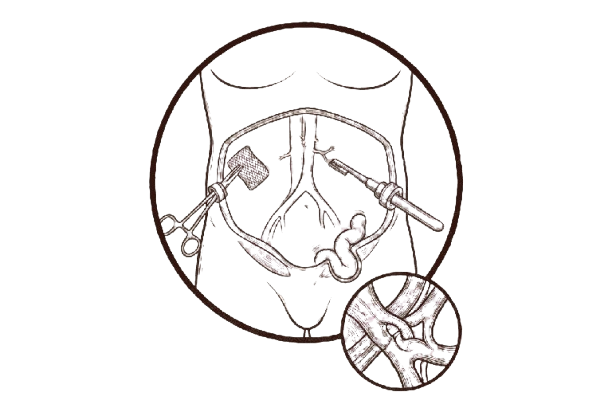
Laparoscopic Hernia Surgery in Bangalore
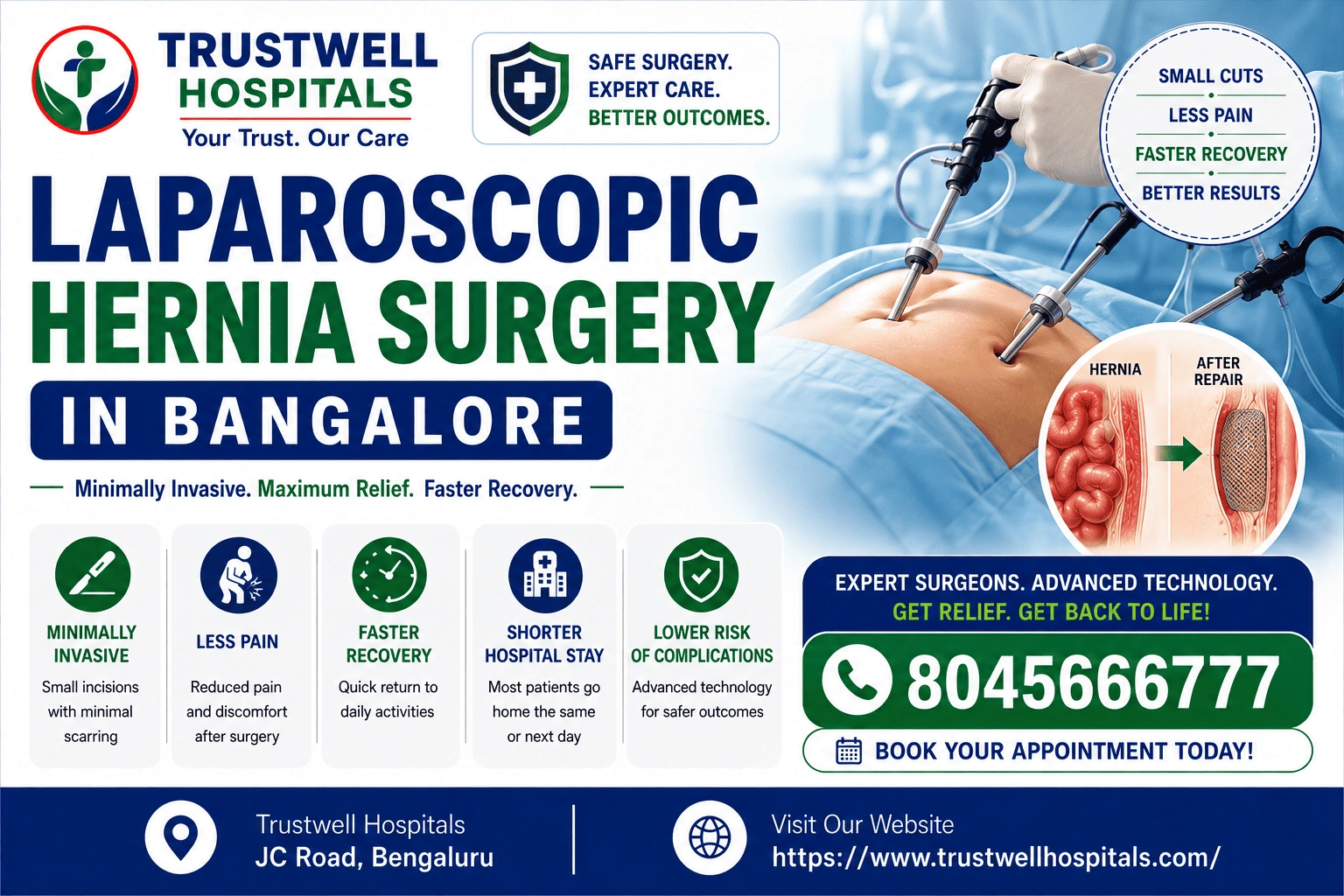
A hernia that causes persistent pain, a visible bulge or discomfort during daily activities often requires surgical repair to prevent it from worsening. If you have been advised to undergo laparoscopic hernia surgery in Bangalore, Trustwell Hospitals provides minimally invasive treatment designed to repair the weakened abdominal wall through small incisions, helping suitable patients recover comfortably and return to their routine with less disruption.
Our surgical gastroenterology team evaluates every patient individually to determine whether laparoscopic repair is the most appropriate option based on the type of hernia, its size, previous surgeries and overall health.
✔ 10+ Years of Surgical Gastroenterology Experience
✔ 2,500+ Hernia Procedures Performed
✔ 95%+ Patient Satisfaction
✔ Advanced Minimally Invasive Hernia Surgery
✔ Cashless Insurance Assistance
✔ NABH Accredited Hospital
Consult a Hernia Specialist Today
What Is Laparoscopic Hernia Surgery?
Laparoscopic hernia surgery is a minimally invasive procedure used to repair a hernia through a few small incisions rather than one large surgical cut. A laparoscope, which is a thin tube fitted with a high-definition camera and light, allows the surgeon to clearly visualise the weakened abdominal wall and perform the repair with specialised instruments.
A hernia develops when an internal organ or fatty tissue pushes through a weak area in the muscles of the abdominal wall. While some hernias may remain stable for a period, others gradually enlarge, become painful or interfere with everyday activities. Surgery is the only definitive treatment that repairs the weakness in the abdominal wall.
During laparoscopic surgery, the protruding tissue is gently returned to its normal position, and the weakened area is reinforced using a surgical mesh in most patients. The mesh provides long-term support as the body’s tissues heal around it, helping reduce the likelihood of recurrence.
Laparoscopic repair is commonly recommended for inguinal hernias, bilateral hernias affecting both sides of the groin, recurrent hernias following previous surgery and selected umbilical or incisional hernias. Compared with conventional open surgery, the laparoscopic approach may offer smaller scars, reduced postoperative discomfort and a quicker return to routine activities in appropriately selected patients. Individual recovery varies depending on the patient’s condition and the complexity of the repair.
Who Is Laparoscopic Hernia Surgery Recommended For?
Laparoscopic hernia surgery is recommended for patients whose clinical examination and diagnostic evaluation indicate that a minimally invasive repair is likely to provide the safest and most effective outcome.
You may be a suitable candidate if you have:
- An inguinal hernia causing pain, discomfort or swelling in the groin.
- Bilateral inguinal hernias, where hernias are present on both sides of the groin.
- A recurrent hernia that has returned after previous open hernia surgery.
- An umbilical hernia that continues to enlarge or causes persistent symptoms.
- An incisional hernia developing through the scar of a previous abdominal operation.
- A hernia that becomes more noticeable while coughing, lifting heavy objects or standing for long periods.
- Persistent discomfort that interferes with work, exercise or routine daily activities.
- A reducible hernia that your surgeon considers appropriate for minimally invasive repair after evaluation.
Not every hernia requires laparoscopic surgery, and not every patient is an ideal candidate for this approach. Factors such as the size and location of the hernia, previous abdominal surgeries, existing medical conditions and overall fitness for anaesthesia all influence the choice of treatment. A detailed consultation with a surgical gastroenterologist helps determine the most appropriate surgical approach for your individual condition.
Why Is Laparoscopic Hernia Surgery Recommended Instead of Open Hernia Surgery?
Laparoscopic hernia surgery may be recommended when a minimally invasive approach is better suited to the patient’s type of hernia, overall health and surgical history. While both laparoscopic and open surgery aim to repair the weakened abdominal wall, the most appropriate option depends on the size of the hernia, its location, whether it has recurred and the findings during your specialist evaluation.
| Treatment Option |
How It Works |
When Laparoscopic Surgery May Be Preferred |
| Open Hernia Surgery |
Repairs the hernia through a single incision directly over the affected area. |
Often recommended for certain large, complicated or emergency hernias where open access provides better exposure. |
| Laparoscopic Hernia Surgery |
Repairs the hernia through a few small keyhole incisions using a camera and specialised instruments. |
May offer smaller incisions, less postoperative discomfort and an earlier return to normal activities in appropriately selected patients. |
| Watchful Waiting |
Involves regular monitoring without immediate surgery. |
May be suitable only for selected patients with minimally symptomatic hernias and requires regular medical follow-up. |
Smaller Incisions Support Comfortable Recovery
Because laparoscopic surgery uses small keyhole incisions instead of one larger surgical cut, many patients experience less wound discomfort and are able to resume light everyday activities sooner. Recovery timelines, however, vary depending on the individual and the type of work they perform.
Suitable for Bilateral Hernias
Patients with hernias on both sides of the groin can often have both repaired during the same operation without requiring additional large incisions, reducing the need for separate surgeries.
Beneficial for Recurrent Hernias
When a hernia returns after previous open surgery, laparoscopic repair approaches the weakened area from a different tissue plane. This can be advantageous in selected patients by avoiding scar tissue from the earlier operation.
Enhanced Surgical Precision
A high-definition laparoscopic camera provides a magnified view of the abdominal wall and surrounding structures. This improved visualisation helps surgeons perform precise repairs while protecting nearby tissues.
The most suitable surgical approach can only be determined after a detailed consultation and clinical evaluation by a surgical specialist.
How Does Laparoscopic Hernia Surgery Work?
Laparoscopic hernia surgery repairs the weakened abdominal wall using specialised instruments introduced through a few small incisions while the patient remains under general anaesthesia. As part of comprehensive care provided by our
Surgical Gastroenterology Department, the procedure is recommended after a thorough evaluation of the type, size and location of the hernia.
After you are comfortably asleep, the surgeon creates small keyhole openings in the abdomen and inserts a laparoscope, a thin camera that displays a magnified view of the surgical area on a monitor. The protruding tissue is gently repositioned inside the abdomen, and the weakened muscle layer is reinforced with a surgical mesh in most patients. If you are exploring treatment options, you can also learn more about our
Hernia Treatment services and the different surgical approaches available.
Once the repair is complete, the instruments are removed, the incisions are closed and you are shifted to the recovery area for observation before discharge based on your recovery. During follow-up visits, your surgeon will monitor healing, answer your questions and provide guidance on resuming daily activities to support a smooth recovery after
Laparoscopic Hernia Surgery.
If you experience persistent abdominal pain, a recurrent bulge or digestive symptoms after surgery, timely evaluation by an experienced surgical gastroenterologist is important. Our specialists provide personalised treatment plans for a wide range of gastrointestinal conditions, including
GERD Treatment, whenever clinically appropriate.
Why Do Patients Choose Trustwell Hospitals for Laparoscopic Hernia Surgery in Bangalore?
Choosing the right hospital for hernia surgery involves more than selecting a minimally invasive technique. It requires experienced surgeons, careful pre-operative assessment, personalised treatment planning and comprehensive follow-up care. Trustwell Hospitals combines all these elements to provide safe and effective hernia treatment.
✔ 10+ Years of Surgical Gastroenterology Experience
Our Surgical Gastroenterology department has over 10 years of experience managing inguinal, umbilical, incisional and recurrent hernias using evidence-based surgical techniques tailored to each patient’s needs.
✔ 2,500+ Hernia Procedures Performed
Our specialists have successfully performed 2,500+ hernia procedures, including laparoscopic and open repairs, managing both routine and complex abdominal wall hernias.
✔ 95%+ Patient Satisfaction
A 95%+ patient satisfaction rate reflects our focus on personalised consultations, clear communication, attentive perioperative care and structured postoperative follow-up.
✔ Advanced Minimally Invasive Hernia Care
We offer modern laparoscopic hernia repair using advanced minimally invasive techniques that may help reduce postoperative discomfort, minimise tissue trauma and support faster recovery for suitable patients.
✔ Comprehensive Diagnostic and Surgical Support
Patients benefit from complete pre-operative evaluation, in-house diagnostics, anaesthesia services, modern operation theatres and coordinated postoperative monitoring under one roof.
✔ NABH Accredited Hospital
Trustwell Hospitals is an NABH Accredited Hospital, demonstrating its commitment to nationally recognised standards of patient safety, quality healthcare and clinical excellence.
What Facilities Support Laparoscopic Hernia Surgery at Trustwell Hospitals?
Every stage of laparoscopic hernia surgery, from diagnosis to recovery, is supported by dedicated hospital facilities designed to provide coordinated and efficient patient care.
Advanced Laparoscopic Operation Theatres
Modern operation theatres equipped for minimally invasive gastrointestinal surgery help surgeons perform precise hernia repairs in a controlled surgical environment.
Comprehensive Diagnostic Services
In-house laboratory investigations and diagnostic imaging support accurate diagnosis, surgical planning and pre-operative assessment without unnecessary delays.
Dedicated Anaesthesia Care
Every patient undergoes a detailed pre-anaesthesia evaluation and receives continuous monitoring before, during and after surgery to support safe treatment.
Recovery and Observation Unit
Following surgery, patients are cared for in a dedicated recovery area where experienced nursing staff monitor pain control, wound condition and overall recovery before discharge.
Cashless Insurance Assistance
Our insurance coordination team assists eligible patients with documentation, pre-authorisation and cashless claim processing, helping make the treatment journey smoother and more convenient.
Who Are the Laparoscopic Hernia Specialists at Trustwell Hospitals?
The Gastrointestinal Surgery team at Trustwell Hospitals offers comprehensive care for anal fistula, recurrent fistula, complex fistula-in-ano, and a wide range of colorectal and gastrointestinal disorders. The team specializes in minimally invasive, laparoscopic, laser, and robotic-assisted procedures where appropriate, providing individualized treatment plans that focus on complete healing, preserving continence, reducing pain, and enabling faster recovery.
Dr. Roopa Bhushan – Senior Consultant – Surgical Gastroenterology
Qualifications: MBBS, MS (General Surgery), DNB (Surgical Gastroenterology)
Experience: 20+ Years
Dr. Roopa Bhushan is one of the leading female Surgical Gastroenterologists at Trustwell Hospitals, providing specialized care for both men and women with gastrointestinal and colorectal disorders. Many women prefer consulting a female specialist for sensitive anorectal conditions such as fistula, piles, fissures, rectal bleeding, pelvic floor concerns, and bowel-related symptoms. She combines extensive surgical expertise with a compassionate, patient-centric approach to ensure privacy, comfort, and personalized treatment.
Areas of Expertise
- Female Colorectal & Anorectal Disorders
- Complex Anal Fistula Surgery
- Laser Treatment for Fistula, Piles & Fissures
- Colorectal Surgery
- Laparoscopic Gastrointestinal Surgery
- Gallbladder Surgery
- Hernia Surgery
- Upper & Lower GI Endoscopy
- Benign Gastrointestinal Disorders
Dr. Rohith M – Consultant – Surgical Gastroenterology & HPB Surgery
Qualifications: MBBS, MS (General Surgery), MCh (Surgical Gastroenterology), DrNB (Surgical Gastroenterology), FMAS
Areas of Expertise
- Complex Gastrointestinal Surgery
- Colorectal Surgery
- Minimally Invasive GI Surgery
- Liver, Pancreas & Biliary Surgery
- Gastrointestinal Cancer Surgery
- Advanced Laparoscopic Procedures
Dr. Sunil Kumar Alur – Senior Consultant – Robotic & Surgical Gastroenterology
Qualifications: MBBS, DNB, FMIS, FALS, FACRSI, FMAS, FIAGES, FACS
Experience: 15+ Years
Areas of Expertise
- Laser Treatment for Fistula, Piles & Fissures
- Complex Anal Fistula Management
- Colorectal Surgery
- Robotic Gastrointestinal Surgery
- Laparoscopic GI Surgery
- Bariatric & Metabolic Surgery
Dr. Nithin Kumar H N – Consultant – Medical Gastroenterology & Hepatology
Qualifications: MBBS, MD (General Medicine), DM (Gastroenterology & Hepatology), MRCP-ESEGH (UK), Fellowship in Advanced Endoscopy
Areas of Expertise
- Inflammatory Bowel Disease (IBD)
- Chronic Digestive Disorders
- Advanced Diagnostic & Therapeutic Endoscopy
- Liver Disease Management
- Pancreatic & Hepatobiliary Disorders
- GI Motility Disorders
- Acid Reflux, IBS & Digestive Health
How Should You Prepare for Laparoscopic Hernia Surgery?
Proper preparation helps ensure a safe procedure and supports a smoother recovery. Before surgery, your care team will explain each step and provide instructions based on your medical history.
You may be advised to:
- Complete the recommended blood tests and pre-operative investigations.
- Attend a pre-anaesthesia assessment before surgery.
- Inform your surgeon about all medications, including blood thinners and herbal supplements.
- Follow fasting instructions before the procedure.
- Bring previous medical records, imaging reports and current prescriptions.
- Arrange for a family member or caregiver to accompany you on the day of discharge.
- Inform your doctor about existing medical conditions such as diabetes, hypertension or heart disease.
- Complete insurance documentation before admission if you intend to use cashless treatment.
Following these instructions helps your surgical team prepare for the procedure safely and minimise unnecessary delays.
What Is Recovery Like After Laparoscopic Hernia Surgery?
Recovery following laparoscopic hernia surgery is generally quicker than traditional open surgery, although healing varies depending on the patient’s health, the type of hernia repaired and the complexity of the operation.
First Few Days
Walking is usually encouraged within a few hours after surgery. Mild soreness around the incision sites and temporary abdominal discomfort are common and are generally managed with prescribed medication.
First Two to Four Weeks
Most patients gradually resume light daily activities during this period. Heavy lifting, strenuous exercise and physically demanding work should be avoided until your surgeon confirms that healing is progressing well.
Long-Term Recovery
Follow-up appointments help assess wound healing, monitor recovery and guide your return to unrestricted physical activity. Maintaining a healthy weight, avoiding unnecessary strain and following postoperative advice may help reduce the risk of recurrence.
Contact the hospital promptly if you develop fever, increasing wound redness, persistent vomiting, severe abdominal pain, excessive swelling or any other concerning symptoms after surgery.
Is Laparoscopic Hernia Surgery Covered Under Health Insurance?
Laparoscopic hernia surgery is generally covered under many comprehensive health insurance plans when medically indicated. Coverage depends on your policy terms, eligibility criteria and insurer approval.
Our dedicated insurance team assists eligible patients with:
- Insurance eligibility verification
- Cashless pre-authorisation
- Documentation support
- Coordination with insurance providers and TPAs
- Guidance throughout the admission and discharge process
What Are the Risks of Delaying Laparoscopic Hernia Surgery?
A hernia usually does not resolve without surgical treatment. If surgery has been recommended, delaying it may allow the condition to progress and increase the likelihood of complications.
Progressive Enlargement
The hernia may gradually become larger, making future repair more complex than if treated earlier.
Persistent Pain
Discomfort during walking, lifting, coughing or prolonged standing may continue to worsen and interfere with daily activities.
Incarcerated Hernia
The protruding tissue can become trapped outside the abdominal wall, causing persistent pain and requiring urgent medical evaluation.
Strangulated Hernia
In some cases, the blood supply to the trapped tissue becomes compromised. This is a surgical emergency that requires immediate treatment.
Seeking a consultation helps you understand your options and does not mean you must proceed with surgery immediately.
Where Is Trustwell Hospitals Located and When Can You Visit?
Trustwell Hospitals is conveniently located in Sudhama Nagar, JC Road, Bangalore, making it easily accessible from different parts of the city through road, metro and public transport.
Address:
5, JC Rd, Vinobha Nagar, Sudhama Nagar, Bengaluru, Karnataka 560002
Phone:
80 4566 6777
OPD Hours:
10:00 AM to 4:00 PM
Parking Facilities:
Parking is available for patients and attendants.
Nearby Transportation and Landmarks
- KSR Bengaluru City Railway Station: Approximately 4 km away and easily accessible by taxi, auto or BMTC bus.
- Kempegowda Bus Station (Majestic): Around 4 km from the hospital with frequent city bus connectivity.
- Lalbagh Metro Station: Located about 1.5 km away, offering convenient access from many parts of Bangalore.
- Cubbon Park Metro Station: Approximately 2.5 km away and connected through the Namma Metro network.
- Kempegowda International Airport: Approximately 38 km away via Airport Expressway and city roads.
- Lalbagh Botanical Garden: A well-known landmark situated close to the hospital, helping visitors identify the location easily.
- Bangalore City Civil Court Complex: Located nearby on JC Road, making the hospital easy to locate.
- JC Road: One of Bangalore’s major connecting roads with convenient access by taxi, bus and private vehicle.
Patients Visit Us From Nearby Areas
Patients regularly visit Trustwell Hospitals for gallbladder treatment from:
- Sudhama Nagar
- Richmond Town
- Basavanagudi
- Jayanagar
- Wilson Garden
- Chamrajpet
- Shanti Nagar
- Koramangala
- Rajajinagar
- Vijayanagar
- Banashankari
- Indiranagar
- Electronic City
- Other Parts of Bangalore
The hospital is easily reachable by metro, BMTC buses, taxis and private vehicles, with parking available for added convenience.
Frequently Asked Questions About Laparoscopic Hernia Surgery
Is laparoscopic hernia surgery painful?
No. The procedure is performed under general anaesthesia. Mild postoperative discomfort is expected and is usually controlled with medication.
How long is the hospital stay?
Many patients are discharged within 24 hours, although the duration depends on individual recovery and the complexity of surgery.
Can a hernia return after surgery?
Recurrence is uncommon after a properly performed repair, but factors such as obesity, smoking, chronic coughing and heavy lifting may increase the risk.
When can I return to work?
Patients with desk-based jobs often return within one to two weeks, while physically demanding occupations may require additional recovery time.
Is laparoscopic surgery suitable for all hernias?
No. The most appropriate surgical approach depends on the type, size and location of the hernia, previous surgeries and your overall health.


 Neuro Sciences
 Gastro Sciences
 Kidney Diseases
 Orthopedics
 Transplantation
 ENT and Head-Neck Surgery
 Advanced Trauma Center
 Cardiology
 Interventional Pulmonology
 Hematology and Bone Marrow Transplant(BMT)
 Anesthesia
 Critical Care Excellence, Comprehensive Intensive Care Services in Bangalore
 Dental Surgery and Oral Implants
 Dermatology and Cosmetic Surgery
 Endocrinology and Diabetology
 Facial Plastic and Reconstructive Surgery
 Family Medicine
 Internal Medicine
 Microbiology
 Obstetrics and Gynaecology
 Oncology
 Ophthalmology
 Oral and Maxillofacial Surgery
 Pathology and Laboratory
 Pediatrics