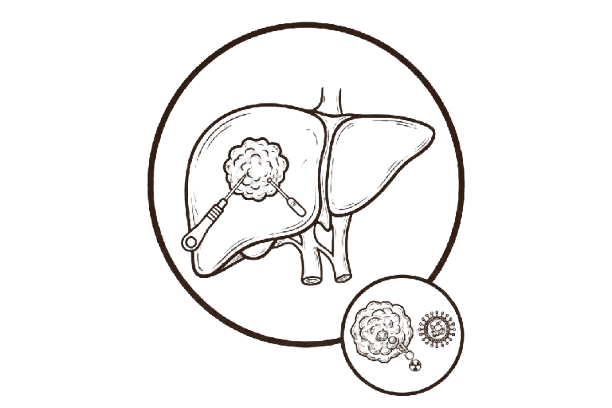
Liver Cancer Treatment in Bangalore
Unexplained weight loss, persistent pain in the upper right abdomen, loss of appetite or a liver lump found during a health check-up may require prompt specialist evaluation. If you are looking for liver cancer treatment in Bangalore, Trustwell Hospitals offers comprehensive diagnosis and personalised treatment plans for primary and secondary liver cancers. Our multidisciplinary team carefully evaluates every patient to recommend the most appropriate treatment based on the stage of cancer, liver function and overall health.
✔ 10+ Years of Surgical Gastroenterology Experience
✔ 2,000+ Liver & GI Patients Treated
✔ 95%+ Patient Satisfaction
✔ Multidisciplinary Cancer Care
✔ Cashless Insurance Assistance
✔ NABH Accredited Hospital
Consult a Liver Specialist Today
Are You Experiencing These Symptoms?
The symptoms of liver cancer can vary depending on the size and location of the tumour, the overall health of the liver and whether the disease is detected at an early or advanced stage. Some people experience very few symptoms initially, while others may notice gradual changes in their health.
Persistent Pain in the Upper Right Abdomen
Pain or discomfort below the right side of the ribs may develop as the tumour grows or stretches the covering of the liver. Persistent pain that does not improve deserves specialist evaluation.
Unexplained Weight Loss
Losing weight without changes in diet or physical activity can occur because cancer affects the body’s metabolism and reduces appetite. Ongoing, unexplained weight loss should never be ignored.
Loss of Appetite
Many patients notice that they feel full after eating small amounts of food or lose interest in meals altogether. Reduced appetite over several weeks can contribute to weight loss and nutritional deficiencies.
Persistent Fatigue
Constant tiredness that does not improve with adequate rest may occur when liver function is affected or when the body is responding to cancer. Fatigue can gradually interfere with routine activities and overall quality of life.
Swelling or Lump in the Upper Abdomen
Some patients notice fullness or a lump on the right side of the abdomen as the liver enlarges. Any new abdominal swelling should be examined by a specialist.
Yellowing of the Eyes and Skin
Yellow discoloration, known as jaundice, develops when the liver cannot process bilirubin effectively. Jaundice requires prompt medical assessment because it may indicate significant liver disease.
Abdominal Swelling
Fluid may accumulate inside the abdomen, causing bloating, tightness and discomfort. This condition can make eating and movement increasingly difficult if left untreated.
Nausea and Vomiting
Persistent nausea or repeated vomiting can occur when liver function becomes impaired or when the digestive system is affected by the disease.
Easy Tiredness During Daily Activities
Patients often notice reduced stamina while walking, climbing stairs or carrying out routine work. This gradual decline may be related to changes in liver function and general health.
Fever Without an Obvious Cause
Some patients develop recurring low-grade fever that cannot be explained by common infections. Persistent fever should be evaluated alongside other symptoms.
Symptoms alone cannot confirm liver cancer. A detailed evaluation, imaging studies and appropriate laboratory tests help identify the underlying cause and determine the most suitable treatment plan.
How Is Liver Cancer Diagnosed?
Choosing the right treatment begins with an accurate diagnosis. The size of the tumour, its location, the condition of the surrounding liver tissue and whether the cancer has spread all influence the treatment plan recommended by your specialist.
Blood Tests
Blood investigations help evaluate liver function, identify tumour-related abnormalities and assess your overall fitness for treatment.
Liver Function Tests
These tests measure how well the liver is working by checking important enzymes, proteins and bilirubin levels. The results help determine the extent of liver involvement.
Ultrasound Abdomen
Ultrasound provides an initial assessment of the liver and may identify abnormal masses, changes in liver structure or fluid accumulation that require further evaluation.
Triple-Phase CT Scan
A specialised CT scan creates detailed images of the liver and blood vessels. It helps determine the size, number and exact location of liver tumours while assisting specialists in planning treatment.
MRI Liver
MRI offers highly detailed images that help differentiate between various liver lesions and evaluate whether surgery or other treatments may be appropriate.
Tumour Marker Blood Tests
Certain blood markers, such as Alpha-Fetoprotein (AFP), may support the diagnosis and help monitor treatment response in selected patients.
Liver Biopsy
When imaging alone cannot confirm the diagnosis, a small tissue sample may be collected for microscopic examination to identify the type of liver cancer.
The findings from these investigations help determine whether surgery, minimally invasive therapies, systemic treatment or other specialised approaches are most appropriate for each patient.
Why Do Patients Choose Trustwell Hospitals for Liver Cancer Treatment in Bangalore?
Choosing a hospital for liver cancer treatment involves much more than selecting a surgical procedure. Patients benefit from accurate diagnosis, careful staging, personalised treatment planning and coordinated long-term care. At Trustwell Hospitals, every recommendation is based on the type of liver cancer, tumour size, liver function and the patient’s overall health.
✔ 10+ Years of Hepatobiliary & Surgical Gastroenterology Experience
Our liver specialists have over 10 years of experience managing both primary and secondary liver cancers. The team evaluates a wide spectrum of cases, including early-stage tumours, locally advanced disease and patients with underlying liver cirrhosis, to recommend the most appropriate treatment approach.
✔ 2,000+ Liver & Gastrointestinal Patients Treated
Trustwell Hospitals has cared for 2,000+ liver and gastrointestinal patients, including individuals with complex liver disorders requiring advanced evaluation and treatment planning. Every patient undergoes a comprehensive assessment before treatment recommendations are made.
✔ 95%+ Patient Satisfaction
Our 95%+ patient satisfaction reflects our commitment to clear communication, personalised consultations, coordinated care and continuous support throughout the treatment journey. Individual treatment outcomes may vary depending on the stage of cancer and overall health.
✔ Comprehensive Diagnosis Before Every Treatment
Every treatment plan begins with detailed clinical evaluation supported by advanced imaging, laboratory investigations and liver function assessment. This helps determine the cancer stage accurately and ensures that surgery, tumour ablation, targeted therapy or liver transplantation is recommended only when clinically appropriate.
✔ Personalised Multidisciplinary Cancer Care
Patients benefit from coordinated care involving surgical gastroenterologists, hepatologists, medical oncologists, radiologists, anaesthesiologists and critical care specialists. Each case is reviewed individually so that treatment decisions are based on clinical findings rather than a standard treatment pathway.
✔ Continued Follow-Up and Recovery Support
Treatment continues beyond the procedure itself. Scheduled follow-up visits, repeat imaging when indicated, liver function monitoring and recovery guidance help patients manage their health after treatment and support early identification of any future concerns.
What Facilities Are Available for Liver Cancer Treatment at Trustwell Hospitals?
Every stage of liver cancer care, from diagnosis to treatment and recovery, is supported through integrated facilities available under one roof.
Advanced Imaging Services
High-resolution ultrasound, CT scans and MRI help specialists identify liver tumours, assess their size and location, evaluate nearby blood vessels and accurately stage the disease before treatment planning.
Modern Modular Operation Theatres
Dedicated modular operation theatres are equipped to support complex hepatobiliary procedures while maintaining high standards of patient safety and infection control.
Comprehensive In-House Laboratory
Routine blood investigations, liver function tests and specialised diagnostic services are available within the hospital, helping reduce waiting time and supporting faster clinical decisions.
Dedicated Anaesthesia and Critical Care
Experienced anaesthesia specialists perform detailed pre-operative evaluations, while dedicated recovery and critical care teams provide continuous monitoring during and after major liver procedures.
Coordinated Recovery Services
Patients receive structured postoperative monitoring, pain management, nutritional guidance and discharge planning to support a smoother recovery based on their individual treatment needs.
Cashless Insurance Assistance
Eligible patients receive assistance with insurance verification, pre-authorisation, documentation and cashless claim coordination, making the treatment process more convenient.
Who Are the Liver Cancer Specialists at Trustwell Hospitals?
The Gastrointestinal Surgery team at Trustwell Hospitals offers comprehensive care for anal fistula, recurrent fistula, complex fistula-in-ano, and a wide range of colorectal and gastrointestinal disorders. The team specializes in minimally invasive, laparoscopic, laser, and robotic-assisted procedures where appropriate, providing individualized treatment plans that focus on complete healing, preserving continence, reducing pain, and enabling faster recovery.
Dr. Roopa Bhushan – Senior Consultant – Surgical Gastroenterology
Qualifications: MBBS, MS (General Surgery), DNB (Surgical Gastroenterology)
Experience: 20+ Years
Dr. Roopa Bhushan is one of the leading female Surgical Gastroenterologists at Trustwell Hospitals, providing specialized care for both men and women with gastrointestinal and colorectal disorders. Many women prefer consulting a female specialist for sensitive anorectal conditions such as fistula, piles, fissures, rectal bleeding, pelvic floor concerns, and bowel-related symptoms. She combines extensive surgical expertise with a compassionate, patient-centric approach to ensure privacy, comfort, and personalized treatment.
Areas of Expertise
- Female Colorectal & Anorectal Disorders
- Complex Anal Fistula Surgery
- Laser Treatment for Fistula, Piles & Fissures
- Colorectal Surgery
- Laparoscopic Gastrointestinal Surgery
- Gallbladder Surgery
- Hernia Surgery
- Upper & Lower GI Endoscopy
- Benign Gastrointestinal Disorders
Dr. Rohith M – Consultant – Surgical Gastroenterology & HPB Surgery
Qualifications: MBBS, MS (General Surgery), MCh (Surgical Gastroenterology), DrNB (Surgical Gastroenterology), FMAS
Areas of Expertise
- Complex Gastrointestinal Surgery
- Colorectal Surgery
- Minimally Invasive GI Surgery
- Liver, Pancreas & Biliary Surgery
- Gastrointestinal Cancer Surgery
- Advanced Laparoscopic Procedures
Dr. Sunil Kumar Alur – Senior Consultant – Robotic & Surgical Gastroenterology
Qualifications: MBBS, DNB, FMIS, FALS, FACRSI, FMAS, FIAGES, FACS
Experience: 15+ Years
Areas of Expertise
- Laser Treatment for Fistula, Piles & Fissures
- Complex Anal Fistula Management
- Colorectal Surgery
- Robotic Gastrointestinal Surgery
- Laparoscopic GI Surgery
- Bariatric & Metabolic Surgery
Dr. Nithin Kumar H N – Consultant – Medical Gastroenterology & Hepatology
Qualifications: MBBS, MD (General Medicine), DM (Gastroenterology & Hepatology), MRCP-ESEGH (UK), Fellowship in Advanced Endoscopy
Areas of Expertise
- Inflammatory Bowel Disease (IBD)
- Chronic Digestive Disorders
- Advanced Diagnostic & Therapeutic Endoscopy
- Liver Disease Management
- Pancreatic & Hepatobiliary Disorders
- GI Motility Disorders
- Acid Reflux, IBS & Digestive Health
What Liver Cancer Treatments Are Available at Trustwell Hospitals?
The most suitable treatment depends on the stage of liver cancer, tumour size, liver function, overall health and whether the disease has spread. Following a comprehensive evaluation, our multidisciplinary team develops an individualised treatment plan using the latest medical and surgical approaches. Patients can receive comprehensive care through our Liver Cancer Treatment services.
Surgical Liver Resection
Approach: Removes the cancerous portion of the liver while preserving as much healthy liver tissue as possible.
Patient Benefit: May provide long-term disease control for appropriately selected patients.
Typically Used For: Early-stage liver cancer confined to one part of the liver.
Liver Transplant
Approach: Replaces the diseased liver with a healthy donor liver in carefully selected patients.
Patient Benefit: Treats both the tumour and the underlying liver disease when eligibility criteria are met.
Typically Used For: Selected patients with early liver cancer and advanced liver damage who may be evaluated through our Liver Transplant programme.
Tumour Ablation
Approach: Uses heat or other specialised energy to destroy cancer cells without removing large portions of the liver.
Patient Benefit: Offers a minimally invasive option with shorter recovery for selected patients.
Typically Used For: Small liver tumours in patients who may not be suitable for major surgery.
Transarterial Chemoembolisation (TACE)
Approach: Delivers chemotherapy directly into the artery feeding the tumour while reducing its blood supply.
Patient Benefit: May slow tumour progression and help control disease growth.
Typically Used For: Intermediate-stage liver cancer that cannot be surgically removed.
Targeted Therapy and Immunotherapy
Approach: Uses medicines that target specific cancer pathways or strengthen the immune system’s response against cancer cells.
Patient Benefit: May improve disease control and quality of life in suitable patients with advanced liver cancer.
Typically Used For: Advanced or metastatic liver cancer where surgery is not appropriate. Patients with complex liver cancer are managed by our experienced Surgical Gastroenterology specialists in collaboration with a multidisciplinary team.
Which Liver Cancer Treatment Is Right for You?
The most appropriate liver cancer treatment depends on several factors, including the stage of the cancer, tumour size, number of tumours, liver function, whether the cancer has spread and your overall health. After reviewing your investigations, the specialist recommends a treatment plan tailored to your clinical condition.
| Condition Stage / Clinical Situation |
Commonly Recommended Treatment |
Typical Approach |
| Small, localised tumour with healthy liver function |
Surgical Liver Resection |
Removal of the affected portion of the liver while preserving healthy tissue |
| Early liver cancer with advanced cirrhosis |
Liver Transplant |
Replacement of the diseased liver with a donor liver in eligible patients |
| Small tumour unsuitable for surgery |
Tumour Ablation |
Heat or other energy-based treatment to destroy cancer cells |
| Intermediate-stage liver cancer |
Transarterial Chemoembolisation (TACE) |
Delivers chemotherapy directly to the tumour while reducing its blood supply |
| Advanced liver cancer |
Targeted Therapy or Immunotherapy |
Medicines that help control tumour growth and disease progression |
| Complex or advanced cases |
Combination Treatment |
A personalised combination of surgery, interventional procedures and systemic therapy |
A specialist consultation, supported by imaging and laboratory investigations, helps determine the safest and most effective treatment approach for each individual.
What Should You Expect Before, During and After Liver Cancer Treatment?
Every patient receives personalised guidance throughout diagnosis, treatment and recovery. The care team explains each stage in detail so you know what to expect before treatment begins.
Before Treatment
Your specialist will review your symptoms, previous medical history, imaging studies and blood investigations. Additional liver function tests, cardiac evaluation and anaesthesia assessment may be advised depending on the planned treatment. You may also receive instructions regarding fasting, medications and admission procedures.
During Treatment
The treatment process varies according to the selected approach. Surgical procedures are performed under general anaesthesia, while minimally invasive treatments such as tumour ablation or TACE are carried out using image-guided techniques whenever appropriate. Throughout treatment, your vital signs and overall condition are continuously monitored.
Recovery and Follow-Up
Recovery depends on the type of treatment performed and your overall liver health. Some minimally invasive procedures may require shorter hospital stays, whereas major liver surgery generally involves a longer period of monitoring. Regular follow-up appointments help assess healing, evaluate liver function and monitor treatment response over time.
Is Liver Cancer Treatment Covered Under Health Insurance?
Liver cancer treatment is generally covered under many comprehensive health insurance policies when medically indicated. The extent of coverage depends on your insurer, policy terms and approval criteria.
Our insurance support team assists eligible patients with:
- Insurance eligibility verification
- Cashless pre-authorisation
- Documentation support
- Coordination with insurance providers
- Guidance during admission and discharge
Our team works closely with patients and insurers to simplify the approval process and reduce administrative delays whenever possible.
What Can Happen If Liver Cancer Treatment Is Delayed?
Not every liver lesion is cancer, and not every patient requires immediate surgery. However, persistent symptoms or a confirmed diagnosis should be evaluated promptly because delaying treatment may reduce the number of available treatment options.
Tumour Growth
Liver tumours can gradually increase in size, making treatment more complex than when detected at an earlier stage.
Spread Beyond the Liver
Some liver cancers may spread to nearby blood vessels, lymph nodes or other organs over time, which can limit curative treatment options.
Reduced Liver Function
As the tumour progresses, healthy liver tissue may become increasingly affected, reducing the liver’s ability to perform essential functions.
Increased Treatment Complexity
Early-stage disease may sometimes be managed with surgery or local therapies, whereas advanced disease often requires more extensive or combined treatment approaches.
Reduced Eligibility for Curative Treatment
Patients diagnosed at an earlier stage are more likely to be considered for treatments such as liver resection or transplantation when clinically appropriate.
Early specialist evaluation helps patients understand all available treatment options before the disease progresses.
How Does Treatment Work at Trustwell Hospitals?
We aim to make every stage of liver cancer care organised, transparent and easy to understand for patients and their families.
Step 1: Book Your Appointment
Contact our team by phone or online to schedule a consultation with a liver specialist at a convenient time.
Step 2: Specialist Consultation
Your doctor reviews your symptoms, medical history, previous reports and performs a detailed clinical examination to understand your condition.
Step 3: Diagnosis and Personalised Treatment Planning
Advanced imaging, laboratory investigations and multidisciplinary evaluation help determine the stage of the cancer and the most suitable treatment approach.
Step 4: Treatment and Long-Term Follow-Up
Following treatment, patients receive structured follow-up care, recovery guidance and regular monitoring to assess progress and support long-term liver health.
Where Is Trustwell Hospitals Located and When Can You Visit?
Trustwell Hospitals is conveniently located in Sudhama Nagar, JC Road, Bangalore, making it easily accessible from different parts of the city through road, metro and public transport.
Address:
5, JC Rd, Vinobha Nagar, Sudhama Nagar, Bengaluru, Karnataka 560002
Phone:
80 4566 6777
OPD Hours:
10:00 AM to 4:00 PM
Parking Facilities:
Parking is available for patients and attendants.
Nearby Transportation and Landmarks
- KSR Bengaluru City Railway Station: Approximately 4 km away and easily accessible by taxi, auto or BMTC bus.
- Kempegowda Bus Station (Majestic): Around 4 km from the hospital with frequent city bus connectivity.
- Lalbagh Metro Station: Located about 1.5 km away, offering convenient access from many parts of Bangalore.
- Cubbon Park Metro Station: Approximately 2.5 km away and connected through the Namma Metro network.
- Kempegowda International Airport: Approximately 38 km away via Airport Expressway and city roads.
- Lalbagh Botanical Garden: A well-known landmark situated close to the hospital, helping visitors identify the location easily.
- Bangalore City Civil Court Complex: Located nearby on JC Road, making the hospital easy to locate.
- JC Road: One of Bangalore’s major connecting roads with convenient access by taxi, bus and private vehicle.
Patients Visit Us From Nearby Areas
Patients regularly visit Trustwell Hospitals for gallbladder treatment from:
- Sudhama Nagar
- Richmond Town
- Basavanagudi
- Jayanagar
- Wilson Garden
- Chamrajpet
- Shanti Nagar
- Koramangala
- Rajajinagar
- Vijayanagar
- Banashankari
- Indiranagar
- Electronic City
- Other Parts of Bangalore
The hospital is easily reachable by metro, BMTC buses, taxis and private vehicles, with parking available for added convenience.
Frequently Asked Questions About Liver Cancer Treatment
Which doctor should I consult for liver cancer?
You should consult a Surgical Gastroenterologist, Hepatobiliary Surgeon, Hepatologist or Medical Oncologist, depending on your diagnosis and treatment needs. These specialists often work together to recommend the most appropriate treatment plan.
Can liver cancer be cured if detected early?
In selected patients, yes. Early-stage liver cancer may be treated with surgery, liver transplantation or tumour ablation when diagnosed before the disease has spread. Treatment recommendations depend on tumour size, liver function and overall health.
Is surgery necessary for every liver cancer patient?
No. Treatment depends on the stage of the disease and the patient’s liver function. Some patients benefit from surgery, while others may be better suited for tumour ablation, TACE, targeted therapy or immunotherapy.
How long does recovery take after liver cancer surgery?
Recovery varies according to the type of surgery performed, the patient’s overall health and liver function. Your specialist will provide personalised guidance regarding activity, diet and follow-up appointments.
Can liver cancer return after treatment?
Yes. Some patients may develop recurrent liver cancer even after successful treatment. Regular follow-up imaging and blood tests are important for early detection and ongoing monitoring.
Can patients with liver cirrhosis undergo liver cancer treatment?
Many patients with liver cirrhosis can still receive treatment. Liver function is carefully evaluated before recommending surgery, transplantation or other treatment options.
Will I need long-term follow-up?
Yes. Liver cancer patients typically require regular follow-up consultations, imaging studies and blood investigations to monitor recovery and detect recurrence at an early stage.
Can I continue working during treatment?
This depends on the type of treatment, your recovery and the nature of your work. Your doctor will advise when it is safe to resume normal activities.


 Neuro Sciences
 Gastro Sciences
 Kidney Diseases
 Orthopedics
 Transplantation
 ENT and Head-Neck Surgery
 Advanced Trauma Center
 Cardiology
 Interventional Pulmonology
 Hematology and Bone Marrow Transplant(BMT)
 Anesthesia
 Critical Care Excellence, Comprehensive Intensive Care Services in Bangalore
 Dental Surgery and Oral Implants
 Dermatology and Cosmetic Surgery
 Endocrinology and Diabetology
 Facial Plastic and Reconstructive Surgery
 Family Medicine
 Internal Medicine
 Microbiology
 Obstetrics and Gynaecology
 Oncology
 Ophthalmology
 Oral and Maxillofacial Surgery
 Pathology and Laboratory
 Pediatrics