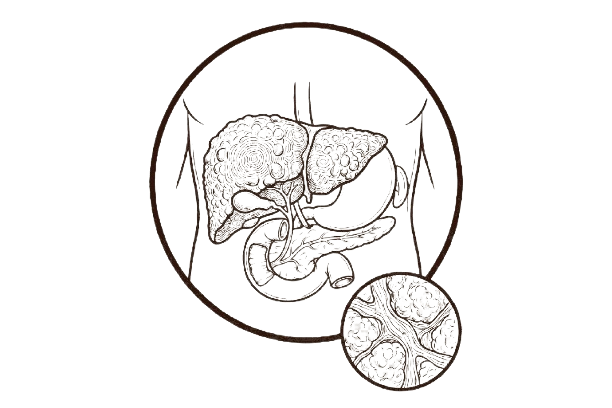
Liver Cirrhosis Treatment in Bangalore
Persistent fatigue, swelling in the abdomen or legs, yellowing of the eyes, or unexplained changes in liver function may be signs of liver cirrhosis. If you are searching for liver cirrhosis treatment in Bangalore, Trustwell Hospitals offers comprehensive evaluation, advanced diagnostics and personalised treatment plans to slow disease progression, manage complications and help preserve liver function.
✔ 10+ Years of Hepatobiliary & Surgical Gastroenterology Experience
✔ 2,000+ Liver & Gastrointestinal Patients Treated
✔ 95%+ Patient Satisfaction
✔ Comprehensive Liver Disease Evaluation
✔ Cashless Insurance Assistance
✔ NABH Accredited Hospital
Consult a Liver Specialist Today
Are You Experiencing These Symptoms?
The symptoms of liver cirrhosis vary depending on the extent of liver scarring, the remaining liver function and whether complications such as fluid accumulation or increased pressure in the liver’s blood vessels have developed. Some people notice only mild symptoms initially, while others experience progressive health changes over time.
Yellowing of the Skin and Eyes
A yellow colour of the skin or eyes, known as jaundice, develops when the liver cannot effectively remove bilirubin, a yellow pigment formed during the normal breakdown of red blood cells. Persistent jaundice requires medical evaluation because it may indicate significant liver dysfunction.
Persistent Fatigue
Many patients experience ongoing tiredness even after getting enough rest. Reduced liver function affects the body’s ability to process nutrients and produce energy efficiently, making routine activities more exhausting.
Swelling in the Abdomen
Fluid may gradually collect inside the abdomen, causing noticeable swelling, tightness and discomfort. This condition, called ascites, can interfere with eating, walking and sleeping comfortably.
Swelling of the Legs and Feet
The damaged liver produces fewer proteins that help keep fluid inside the bloodstream. As a result, fluid may accumulate around the ankles and lower legs, especially after standing for long periods.
Loss of Appetite
People with liver cirrhosis often feel full quickly or lose interest in eating. Poor appetite over time may contribute to nutritional deficiencies and reduced strength.
Unexplained Weight Loss
Weight loss without intentional dieting can occur because cirrhosis affects digestion, nutrient absorption and muscle maintenance. Patients may notice gradual muscle wasting as the disease progresses.
Easy Bruising or Bleeding
The liver produces proteins that help blood clot normally. When these proteins decrease, bruises may appear more easily and even small cuts may bleed for longer than expected.
Persistent Itching
Some patients develop widespread itching because substances normally removed by the liver build up in the bloodstream. The itching may become more noticeable at night and affect sleep quality.
Confusion or Difficulty Concentrating
Advanced liver disease may allow toxins to accumulate in the blood and affect brain function, leading to forgetfulness, poor concentration or personality changes. Prompt medical assessment is recommended if these symptoms develop.
Nausea or Digestive Discomfort
Persistent nausea, abdominal discomfort or a feeling of fullness after meals may occur as liver function declines. These symptoms can make it difficult to maintain adequate nutrition.
Dark Urine and Pale-Coloured Stools
Changes in urine or stool colour may occur when bile, the digestive fluid produced by the liver, does not flow normally. These symptoms should always be discussed with a specialist.
Frequent Infections
Liver cirrhosis can weaken the immune system, making some patients more susceptible to bacterial and other infections. Recurrent infections deserve further evaluation.
Symptoms alone cannot confirm liver cirrhosis. A detailed consultation, physical examination and appropriate investigations help identify the underlying cause and determine the most suitable treatment.
How Is Liver Cirrhosis Diagnosed?
Diagnosing liver cirrhosis involves assessing the severity of liver damage, identifying its underlying cause and detecting any associated complications. The results help specialists recommend the most appropriate treatment plan for each patient.
Liver Function Tests
These blood tests measure liver enzymes, bilirubin and proteins to evaluate how well the liver is functioning. They also help monitor disease progression and response to treatment.
Complete Blood Count
A complete blood count helps detect anaemia, infection and low platelet levels, which are commonly associated with chronic liver disease and portal hypertension.
Ultrasound of the Abdomen
Ultrasound provides detailed images of the liver and surrounding organs. It helps identify liver shrinkage, enlargement, fluid accumulation and structural changes that may suggest cirrhosis.
FibroScan
FibroScan is a specialised, non-invasive test that measures liver stiffness. Increased stiffness usually indicates liver scarring and helps estimate the stage of fibrosis without requiring surgery.
CT Scan or MRI
Advanced imaging creates detailed cross-sectional images of the liver, allowing specialists to evaluate complications, assess blood vessels and detect liver nodules that may require further investigation.
Viral Hepatitis Screening
Blood tests identify infections such as hepatitis B and hepatitis C, which are among the leading causes of liver cirrhosis. Identifying the underlying cause helps guide long-term treatment.
Liver Biopsy
In selected cases, a small sample of liver tissue may be examined under a microscope to confirm the diagnosis, determine the extent of scarring and exclude other liver diseases.
The findings from these investigations help determine whether treatment should focus on medications, lifestyle changes, management of complications, endoscopic procedures or advanced therapies such as liver transplant when clinically appropriate.
Why Do Patients Choose Trustwell Hospitals for Liver Cirrhosis Treatment in Bangalore?
Choosing the right hospital for liver cirrhosis treatment involves much more than prescribing medication. Patients need accurate diagnosis, careful monitoring, personalised treatment planning and long-term liver care. At Trustwell Hospitals, every treatment recommendation is based on the severity of liver damage, the underlying cause of cirrhosis, associated complications and the patient’s overall health.
Advanced Experience in Managing Complex Liver Diseases
Our specialists have 10+ years of experience in hepatobiliary and surgical gastroenterology, managing patients with early-stage liver disease, advanced cirrhosis and complex liver disorders. More than 2,000+ liver and gastrointestinal patients have received specialised care at Trustwell Hospitals, allowing our team to manage both routine and challenging clinical cases with a patient-centred approach.
Comprehensive Liver Evaluation Before Treatment
Effective liver cirrhosis treatment begins with identifying the exact cause of liver damage rather than treating symptoms alone. Detailed blood investigations, advanced imaging, FibroScan and clinical assessment help determine the stage of cirrhosis and guide the most appropriate treatment strategy for each patient.
Personalised Treatment Based on Disease Severity
No two patients experience liver cirrhosis in the same way. Some patients benefit from lifestyle modification and medication, while others require endoscopic procedures, management of complications or evaluation for advanced interventions such as liver treatment in Bangalore or liver transplant in Bangalore. Treatment recommendations are always individualised according to liver function and clinical findings.
Patient-Focused Care with Long-Term Follow-Up
Managing liver cirrhosis requires continuous monitoring rather than a single consultation. Patients receive guidance regarding medications, nutrition, lifestyle modifications, follow-up investigations and early recognition of complications. This coordinated approach helps support better long-term liver health.
Trusted Care with High Patient Satisfaction
Trustwell Hospitals maintains a 95%+ patient satisfaction rate through clear communication, personalised consultations and coordinated treatment planning. Every patient is encouraged to understand their diagnosis and participate in treatment decisions. Individual treatment outcomes vary.
Cashless Insurance Assistance
Our dedicated insurance support team assists eligible patients with insurance verification, documentation, pre-authorisation and cashless claim coordination, making the treatment journey smoother from admission to discharge.
What Facilities Are Available for Liver Cirrhosis Treatment at Trustwell Hospitals?
Every stage of liver cirrhosis care, from diagnosis and treatment to recovery and long-term follow-up, is supported through modern facilities available under one roof.
Advanced Diagnostic Imaging
Ultrasound, CT scans, MRI and FibroScan are available to evaluate liver damage, identify complications and monitor disease progression. Accurate imaging allows specialists to make timely and informed treatment decisions.
Dedicated Endoscopy Unit
Patients requiring upper gastrointestinal endoscopy for the evaluation or treatment of complications related to portal hypertension receive care in a dedicated endoscopy facility equipped for advanced gastrointestinal procedures.
Modern Modular Operation Theatres
When surgical intervention becomes necessary, procedures are performed in modern modular operation theatres that support complex hepatobiliary surgery while maintaining high standards of patient safety and infection control.
Comprehensive In-House Laboratory
A fully equipped laboratory provides liver function tests, viral hepatitis screening, coagulation studies and other investigations required for diagnosis, treatment planning and ongoing monitoring.
Intensive Care and Recovery Support
Patients with advanced liver disease who require closer observation receive continuous monitoring from experienced critical care and nursing teams during treatment and recovery.
Cashless Insurance Assistance
Dedicated coordinators assist eligible patients with insurance approvals, documentation and communication with insurance providers to simplify the treatment process.
Who Are the Liver Cirrhosis Specialists at Trustwell Hospitals?
The Gastrointestinal Surgery team at Trustwell Hospitals offers comprehensive care for anal fistula, recurrent fistula, complex fistula-in-ano, and a wide range of colorectal and gastrointestinal disorders. The team specializes in minimally invasive, laparoscopic, laser, and robotic-assisted procedures where appropriate, providing individualized treatment plans that focus on complete healing, preserving continence, reducing pain, and enabling faster recovery.
Dr. Roopa Bhushan – Senior Consultant – Surgical Gastroenterology
Qualifications: MBBS, MS (General Surgery), DNB (Surgical Gastroenterology)
Experience: 20+ Years
Dr. Roopa Bhushan is one of the leading female Surgical Gastroenterologists at Trustwell Hospitals, providing specialized care for both men and women with gastrointestinal and colorectal disorders. Many women prefer consulting a female specialist for sensitive anorectal conditions such as fistula, piles, fissures, rectal bleeding, pelvic floor concerns, and bowel-related symptoms. She combines extensive surgical expertise with a compassionate, patient-centric approach to ensure privacy, comfort, and personalized treatment.
Areas of Expertise
- Female Colorectal & Anorectal Disorders
- Complex Anal Fistula Surgery
- Laser Treatment for Fistula, Piles & Fissures
- Colorectal Surgery
- Laparoscopic Gastrointestinal Surgery
- Gallbladder Surgery
- Hernia Surgery
- Upper & Lower GI Endoscopy
- Benign Gastrointestinal Disorders
Dr. Rohith M – Consultant – Surgical Gastroenterology & HPB Surgery
Qualifications: MBBS, MS (General Surgery), MCh (Surgical Gastroenterology), DrNB (Surgical Gastroenterology), FMAS
Areas of Expertise
- Complex Gastrointestinal Surgery
- Colorectal Surgery
- Minimally Invasive GI Surgery
- Liver, Pancreas & Biliary Surgery
- Gastrointestinal Cancer Surgery
- Advanced Laparoscopic Procedures
Dr. Sunil Kumar Alur – Senior Consultant – Robotic & Surgical Gastroenterology
Qualifications: MBBS, DNB, FMIS, FALS, FACRSI, FMAS, FIAGES, FACS
Experience: 15+ Years
Areas of Expertise
- Laser Treatment for Fistula, Piles & Fissures
- Complex Anal Fistula Management
- Colorectal Surgery
- Robotic Gastrointestinal Surgery
- Laparoscopic GI Surgery
- Bariatric & Metabolic Surgery
Dr. Nithin Kumar H N – Consultant – Medical Gastroenterology & Hepatology
Qualifications: MBBS, MD (General Medicine), DM (Gastroenterology & Hepatology), MRCP-ESEGH (UK), Fellowship in Advanced Endoscopy
Areas of Expertise
- Inflammatory Bowel Disease (IBD)
- Chronic Digestive Disorders
- Advanced Diagnostic & Therapeutic Endoscopy
- Liver Disease Management
- Pancreatic & Hepatobiliary Disorders
- GI Motility Disorders
- Acid Reflux, IBS & Digestive Health
What Liver Cirrhosis Treatments Are Available at Trustwell Hospitals?
The most appropriate treatment depends on the severity of liver scarring, liver function, the underlying cause of cirrhosis and whether complications have developed. After a comprehensive evaluation, our specialists develop a personalised treatment plan focused on preserving liver function, managing complications and improving long-term quality of life. Patients receive expert care through our Liver Cirrhosis Treatment services.
Lifestyle Modification and Medical Management
Approach: Treatment focuses on controlling the underlying cause of liver damage, improving nutrition, avoiding alcohol, managing medications and treating associated conditions.
Patient Benefit: May help slow disease progression, reduce symptoms and preserve liver function.
Typically Used For: Early-stage or compensated liver cirrhosis.
Management of Portal Hypertension
Approach: Medicines and endoscopic procedures are used to reduce increased pressure within the liver’s blood vessels and manage complications such as enlarged oesophageal veins.
Patient Benefit: Helps lower the risk of serious complications related to portal hypertension.
Typically Used For: Patients with clinically significant portal hypertension.
Management of Ascites
Approach: Treatment includes dietary sodium restriction, medications and specialised fluid drainage procedures when clinically indicated.
Patient Benefit: Reduces abdominal swelling, improves comfort and supports daily activities.
Typically Used For: Patients with moderate to severe fluid accumulation.
Treatment of Underlying Liver Disease
Approach: When cirrhosis is caused by hepatitis, fatty liver disease or other medical conditions, treatment focuses on controlling the underlying cause to reduce further liver damage.
Patient Benefit: May help slow progression and preserve remaining liver function.
Typically Used For: Patients with treatable causes of liver cirrhosis, including those who may benefit from specialised Liver Treatment services.
Liver Transplant Evaluation
Approach: Patients with advanced liver failure may undergo detailed assessment to determine eligibility for liver transplant in Bangalore.
Patient Benefit: Offers an option for selected patients with end-stage liver disease when other treatments are no longer effective.
Typically Used For: Advanced or decompensated liver cirrhosis requiring evaluation through our Liver Transplant programme.
Which Liver Cirrhosis Treatment Is Right for You?
The most suitable treatment depends on the stage of liver cirrhosis, the amount of liver damage, the underlying cause, associated complications and your overall health. After reviewing your clinical evaluation and investigation results, your liver specialist recommends the most appropriate treatment plan.
| Condition Stage / Clinical Situation |
Commonly Recommended Treatment |
Typical Approach |
| Early-stage cirrhosis with preserved liver function |
Lifestyle modification and medications |
Control the underlying cause, improve nutrition and monitor liver function |
| Cirrhosis due to hepatitis |
Antiviral treatment with supportive care |
Manage viral infection and reduce further liver damage |
| Fatty liver-related cirrhosis |
Lifestyle changes, weight management and medications |
Improve metabolic health and slow disease progression |
| Cirrhosis with portal hypertension |
Medicines and endoscopic management |
Reduce pressure within the liver’s blood vessels and prevent complications |
| Cirrhosis with ascites |
Medications, dietary modification and fluid drainage when required |
Relieve symptoms and improve daily comfort |
| Advanced liver failure |
Liver transplant evaluation |
Assess suitability for liver transplantation based on clinical criteria |
A specialist consultation supported by laboratory tests and imaging helps determine the safest and most effective treatment approach for every patient.
What Should You Expect Before, During and After Liver Cirrhosis Treatment?
Your care team guides you through every stage of diagnosis, treatment and long-term follow-up. The exact treatment pathway varies according to the severity of liver disease and your overall health.
Before Treatment
Your specialist reviews your symptoms, previous medical history, medications and lifestyle factors that may have contributed to liver damage. Blood tests, liver imaging, FibroScan and additional investigations are performed to understand the extent of cirrhosis and identify its cause before treatment begins.
During Treatment
Treatment may involve medications, dietary counselling, endoscopic procedures or hospital-based care depending on your clinical condition. Patients requiring procedures are monitored carefully throughout treatment to ensure safety and appropriate clinical management.
Recovery and Long-Term Follow-Up
Liver cirrhosis usually requires ongoing monitoring rather than short-term treatment. Regular follow-up appointments, blood tests and imaging help evaluate liver function, identify complications early and adjust treatment whenever necessary.
Is Liver Cirrhosis Treatment Covered Under Health Insurance?
Many treatments for liver cirrhosis are covered under comprehensive health insurance policies when medically indicated. Coverage depends on your insurance provider, policy terms and approval criteria.
Our insurance support team assists eligible patients with:
- Insurance eligibility verification
- Cashless pre-authorisation
- Documentation support
- Coordination with insurance providers
- Guidance during admission and discharge
Our coordinators help simplify the insurance process and minimise delays wherever possible.
What Can Happen If Liver Cirrhosis Is Left Untreated?
Not every patient requires hospital admission or advanced procedures immediately, but persistent liver disease should never be ignored. Delaying evaluation or treatment may allow liver damage to progress and reduce future treatment options.
Progressive Liver Damage
Ongoing liver injury can gradually replace healthy liver tissue with additional scar tissue, reducing the liver’s ability to perform essential functions.
Portal Hypertension
Increasing pressure within the liver’s blood vessels may lead to enlarged veins in the oesophagus or stomach, increasing the risk of bleeding and other complications.
Fluid Accumulation
Untreated cirrhosis can result in increasing fluid collection within the abdomen and legs, affecting mobility, breathing and overall quality of life.
Increased Risk of Liver Cancer
Patients with established liver cirrhosis have a higher risk of developing liver cancer. Regular surveillance helps detect abnormalities at an earlier stage. Patients requiring specialised care may also benefit from evaluation for liver cancer treatment in Bangalore when clinically appropriate.
Liver Failure
As cirrhosis advances, the liver may gradually lose its ability to perform vital functions, making advanced treatment options such as transplantation necessary for selected patients.
Early specialist evaluation helps patients understand their treatment options before complications become more difficult to manage.
How Does Treatment Work at Trustwell Hospitals?
We have designed the treatment journey to make liver cirrhosis care clear, coordinated and patient-friendly.
Step 1: Book Your Appointment
Schedule a consultation by phone or online to meet an experienced liver specialist at your convenience.
Step 2: Consultation and Clinical Evaluation
Your doctor reviews your symptoms, medical history, lifestyle factors and previous reports before performing a detailed clinical examination.
Step 3: Diagnosis and Personalised Treatment Planning
Blood investigations, liver imaging and FibroScan findings are combined to determine the stage of cirrhosis and create an individualised treatment plan.
Step 4: Treatment and Long-Term Monitoring
Patients receive ongoing medical care, regular follow-up visits, nutritional guidance and monitoring to help preserve liver function and detect complications early.
Where Is Trustwell Hospitals Located and When Can You Visit?
Trustwell Hospitals is conveniently located in Sudhama Nagar, JC Road, Bangalore, making it easily accessible from different parts of the city through road, metro and public transport.
Address:
5, JC Rd, Vinobha Nagar, Sudhama Nagar, Bengaluru, Karnataka 560002
Phone:
80 4566 6777
OPD Hours:
10:00 AM to 4:00 PM
Parking Facilities:
Parking is available for patients and attendants.
Nearby Transportation and Landmarks
- KSR Bengaluru City Railway Station: Approximately 4 km away and easily accessible by taxi, auto or BMTC bus.
- Kempegowda Bus Station (Majestic): Around 4 km from the hospital with frequent city bus connectivity.
- Lalbagh Metro Station: Located about 1.5 km away, offering convenient access from many parts of Bangalore.
- Cubbon Park Metro Station: Approximately 2.5 km away and connected through the Namma Metro network.
- Kempegowda International Airport: Approximately 38 km away via Airport Expressway and city roads.
- Lalbagh Botanical Garden: A well-known landmark situated close to the hospital, helping visitors identify the location easily.
- Bangalore City Civil Court Complex: Located nearby on JC Road, making the hospital easy to locate.
- JC Road: One of Bangalore’s major connecting roads with convenient access by taxi, bus and private vehicle.
Patients Visit Us From Nearby Areas
Patients regularly visit Trustwell Hospitals for gallbladder treatment from:
- Sudhama Nagar
- Richmond Town
- Basavanagudi
- Jayanagar
- Wilson Garden
- Chamrajpet
- Shanti Nagar
- Koramangala
- Rajajinagar
- Vijayanagar
- Banashankari
- Indiranagar
- Electronic City
- Other Parts of Bangalore
The hospital is easily reachable by metro, BMTC buses, taxis and private vehicles, with parking available for added convenience.
Frequently Asked Questions About Liver Cirrhosis Treatment
Which doctor should I consult for liver cirrhosis?
A hepatologist or surgical gastroenterologist experienced in liver diseases can diagnose liver cirrhosis, determine its cause and recommend the most appropriate treatment plan.
Can liver cirrhosis be cured?
The liver scarring caused by cirrhosis is generally permanent. However, early diagnosis and appropriate treatment can slow disease progression, manage complications and preserve liver function.
Is liver transplantation necessary for every patient?
No. Most patients are managed with medications, lifestyle modification and regular monitoring. Liver transplantation is considered only for carefully selected patients with advanced liver failure.
Can people with liver cirrhosis live a normal life?
Many patients continue to lead active lives when cirrhosis is diagnosed early and managed appropriately through medical treatment, dietary changes and regular follow-up.
How often should liver cirrhosis patients undergo follow-up?
The frequency of follow-up depends on disease severity, liver function and associated complications. Your specialist will recommend a personalised review schedule.


 Neuro Sciences
 Gastro Sciences
 Kidney Diseases
 Orthopedics
 Transplantation
 ENT and Head-Neck Surgery
 Advanced Trauma Center
 Cardiology
 Interventional Pulmonology
 Hematology and Bone Marrow Transplant(BMT)
 Anesthesia
 Critical Care Excellence, Comprehensive Intensive Care Services in Bangalore
 Dental Surgery and Oral Implants
 Dermatology and Cosmetic Surgery
 Endocrinology and Diabetology
 Facial Plastic and Reconstructive Surgery
 Family Medicine
 Internal Medicine
 Microbiology
 Obstetrics and Gynaecology
 Oncology
 Ophthalmology
 Oral and Maxillofacial Surgery
 Pathology and Laboratory
 Pediatrics