A New Milestone: Successfully accredited with NABH 6th Edition – Redefining standards in healthcare quality and patient safety |
Live vitals. Real-time data. Faster care. Trustwell Hospitals unveils Karnataka’s first 5G SMART ambulance |
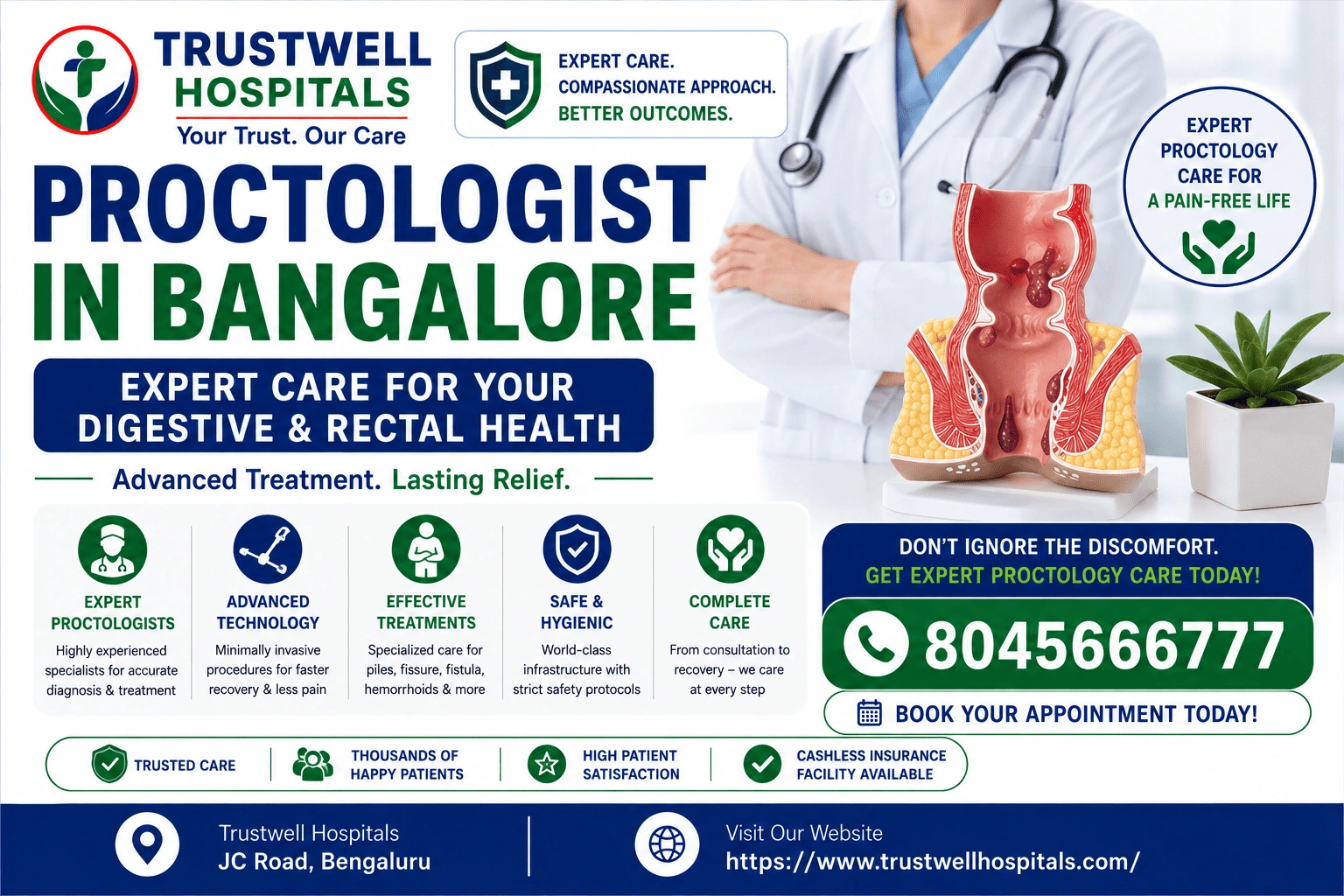
Persistent pain during bowel movements, rectal bleeding, swelling around the anus or recurring anal infections can significantly affect your daily life and should not be ignored. At Trustwell Hospitals, our experienced proctologists and surgical gastroenterology specialists provide comprehensive diagnosis and treatment for piles, fissures, fistulas, pilonidal sinus and other anorectal disorders. Using evidence-based treatment approaches and advanced minimally invasive procedures where appropriate, we help patients achieve lasting relief while preserving comfort and quality of life.
Are You Experiencing These Anal or Rectal Symptoms?
Many anorectal conditions begin with mild symptoms that gradually worsen if left untreated. Early consultation with a proctologist helps identify the exact cause of your symptoms and enables timely treatment before complications develop.
Rectal Bleeding
Bright red blood during or after passing stools is one of the most common reasons patients consult a proctologist. Although piles are a frequent cause, rectal bleeding may also indicate fissures, colorectal polyps or other digestive disorders that require evaluation.
Pain During Bowel Movements
Sharp or burning pain while passing stools often occurs with anal fissures but may also be associated with infections or inflammation around the anal canal.
Swelling Around the Anus
A painful lump or swelling near the anal opening may develop because of external piles, thrombosed haemorrhoids, abscesses or other anorectal conditions requiring specialist assessment.
Persistent Itching
Chronic itching around the anal region may result from piles, skin irritation, infections or prolonged moisture. Persistent symptoms should be evaluated to identify the underlying cause.
Anal Discharge
Continuous discharge of pus or fluid from a small opening near the anus may suggest an anal fistula. This condition usually requires specialist treatment to prevent recurrent infection.
Difficulty Sitting
Pain while sitting, particularly after bowel movements, may occur with fissures, abscesses or inflamed external piles and can interfere with normal daily activities.
Feeling of Incomplete Bowel Emptying
Some patients experience persistent discomfort or the sensation that the rectum has not emptied completely after passing stools. This symptom may occur with enlarged haemorrhoids or other rectal disorders.
Constipation
Frequent constipation or straining during bowel movements increases pressure on the anal canal and is an important contributing factor for piles and fissures.
Painful Lump Near the Tailbone
A swelling or recurrent infection near the tailbone may indicate a pilonidal sinus, particularly in individuals who sit for prolonged periods.
Recurrent Anal Infections
Repeated pain, swelling or abscess formation around the anus may suggest an underlying fistula or chronic infection that requires definitive treatment.These symptoms do not always indicate a serious disease, but persistent or recurring symptoms should be evaluated by a proctologist for an accurate diagnosis and timely treatment.
How Are Proctological Conditions Diagnosed?
The first step towards effective treatment is identifying the exact cause of your symptoms. A proctologist combines clinical examination with specialised diagnostic procedures to distinguish between piles, fissures, fistulas and other anorectal conditions before recommending treatment.
Detailed Clinical Consultation
Your specialist discusses your symptoms, bowel habits, dietary history, medical conditions, previous surgeries and medications before performing a focused examination.
Physical Examination
A careful examination of the anal and rectal region helps identify external piles, fissures, fistulas, abscesses, skin conditions and other visible abnormalities.
Digital Rectal Examination
When appropriate, a gentle examination of the rectum helps assess tenderness, masses, sphincter tone and other abnormalities that may not be visible externally.
Proctoscopy
A proctoscope allows the specialist to examine the anal canal and lower rectum more closely. This investigation is commonly used to diagnose internal haemorrhoids and other rectal disorders.
Colonoscopy When Clinically Indicated
Patients with unexplained rectal bleeding, altered bowel habits or suspected colorectal disease may require a colonoscopy to evaluate the entire large intestine and exclude other causes.
Imaging for Complex Fistulas
MRI or specialised imaging studies may be recommended for patients with recurrent or complex anal fistulas to accurately define the tract before treatment.Patients requiring specialised colorectal care may also benefit from evaluation through our Gastroenterology Hospital in Bangalore. Based on the examination findings and diagnostic results, your proctologist develops a personalised treatment plan that may include dietary modification, medications, minimally invasive procedures or surgery depending on the severity of your condition.
Why Do Patients Choose Trustwell Hospitals to Consult a Proctologist in Bangalore?
Choosing the right proctologist is essential for accurate diagnosis and effective treatment of anorectal conditions. Patients often seek a specialist who can identify the underlying cause of their symptoms, recommend the least invasive treatment whenever possible and provide long-term relief. At Trustwell Hospitals, our specialists combine clinical expertise, advanced diagnostic facilities and personalised treatment plans to help patients recover comfortably and confidently.
2,000+ Gastrointestinal and Proctology Patients Managed
Our Surgical Gastroenterology department has treated 2,000+ patients with gastrointestinal and anorectal disorders, including piles, fissures, fistulas, pilonidal sinus, rectal bleeding and other colorectal conditions. Supported by 10+ years of surgical expertise, our specialists provide evidence-based care tailored to each patient’s diagnosis and clinical needs.
Comprehensive Diagnosis Before Treatment
Many anorectal disorders produce similar symptoms, making accurate diagnosis essential before beginning treatment. Our proctologists perform a detailed clinical assessment supported by proctoscopy, colonoscopy where indicated and imaging for complex conditions. This systematic evaluation helps distinguish between piles, fissures, fistulas and other rectal disorders, ensuring patients receive the most appropriate treatment from the outset.
Personalised Treatment Plans
Every patient experiences different symptoms and disease severity. While some conditions respond well to medications, dietary changes and lifestyle modification, others require minimally invasive procedures or surgery. Patients seeking a proctologist consultation in Bangalore receive an individualised treatment plan designed around their symptoms, diagnosis and overall health.
95%+ Patient Satisfaction Through Coordinated Care
Successful treatment extends beyond performing procedures. Our multidisciplinary approach involves surgical gastroenterologists, anaesthesiologists, radiologists, nursing teams and rehabilitation support where required. This coordinated model contributes to a 95%+ patient satisfaction rate by ensuring continuity of care before, during and after treatment. Individual outcomes may vary.
Focus on Minimally Invasive Treatment
Whenever clinically appropriate, our specialists recommend minimally invasive techniques that aim to reduce postoperative discomfort, minimise hospital stay and support faster recovery compared with conventional surgery. Treatment recommendations are always based on clinical suitability rather than a single treatment approach.
Long-Term Follow-Up and Prevention
Many anorectal disorders can recur if contributing factors such as constipation or prolonged straining are not addressed. Patients receive guidance on diet, hydration, bowel habits, physical activity and follow-up care to reduce the likelihood of recurrence and maintain long-term colorectal health.
What Facilities Are Available for Proctology Care at Trustwell Hospitals?
Trustwell Hospitals offers advanced facilities that support comprehensive diagnosis, treatment and recovery for patients with anorectal disorders.
Dedicated Proctology Evaluation
Patients undergo detailed clinical assessment in a comfortable and confidential environment designed to encourage open discussion of sensitive symptoms while ensuring accurate diagnosis.
Advanced Endoscopy Services
Modern endoscopy facilities support proctoscopy, sigmoidoscopy and colonoscopy whenever clinically indicated to investigate rectal bleeding, altered bowel habits and other colorectal conditions.
Modern Modular Operation Theatres
Patients requiring surgical treatment benefit from advanced modular operating theatres equipped for minimally invasive and colorectal procedures with high standards of patient safety.
Advanced Imaging Support
MRI and other imaging studies are available for evaluating complex anal fistulas, recurrent disease and conditions requiring detailed anatomical assessment before surgery.
In-House Laboratory Services
Comprehensive laboratory facilities support routine blood investigations, infection screening and preoperative evaluation to facilitate timely diagnosis and treatment.
Postoperative Recovery and Nursing Care
Experienced nursing teams provide postoperative monitoring, wound care, pain management and recovery guidance to help patients return to normal activities safely and comfortably.
Who Are the Proctologist Specialists at Trustwell Hospitals?
The Gastrointestinal Surgery team at Trustwell Hospitals offers comprehensive care for anal fistula, recurrent fistula, complex fistula-in-ano, and a wide range of colorectal and gastrointestinal disorders. The team specializes in minimally invasive, laparoscopic, laser, and robotic-assisted procedures where appropriate, providing individualized treatment plans that focus on complete healing, preserving continence, reducing pain, and enabling faster recovery.
Dr. Roopa Bhushan – Senior Consultant – Surgical Gastroenterology
Qualifications: MBBS, MS (General Surgery), DNB (Surgical Gastroenterology)
Experience: 20+ Years
Dr. Roopa Bhushan is one of the leading female Surgical Gastroenterologists at Trustwell Hospitals, providing specialized care for both men and women with gastrointestinal and colorectal disorders. Many women prefer consulting a female specialist for sensitive anorectal conditions such as fistula, piles, fissures, rectal bleeding, pelvic floor concerns, and bowel-related symptoms. She combines extensive surgical expertise with a compassionate, patient-centric approach to ensure privacy, comfort, and personalized treatment.
Areas of Expertise
Female Colorectal & Anorectal Disorders
Complex Anal Fistula Surgery
Laser Treatment for Fistula, Piles & Fissures
Colorectal Surgery
Laparoscopic Gastrointestinal Surgery
Gallbladder Surgery
Hernia Surgery
Upper & Lower GI Endoscopy
Benign Gastrointestinal Disorders
Dr. Rohith M – Consultant – Surgical Gastroenterology & HPB Surgery
A proctologist diagnoses and treats a wide range of diseases affecting the anus, rectum and lower digestive tract. Treatment recommendations depend on symptom severity, examination findings and the underlying diagnosis. At Trustwell Hospitals, our specialists provide comprehensive evaluation and personalised treatment for common and complex anorectal disorders.
Piles (Haemorrhoids)
Approach: Lifestyle modification, medication, office-based procedures or minimally invasive surgery where required.
Patient Benefit: Relieves bleeding, pain, swelling and discomfort while improving bowel function.
Typically Used For: Internal haemorrhoids, external haemorrhoids and prolapsed piles. Patients requiring specialised care may benefit from our Piles Treatment services.
Anal Fissures
Approach: Dietary management, medications and surgical treatment for chronic or non-healing fissures.
Patient Benefit: Reduces pain during bowel movements and promotes healing of the anal canal.
Typically Used For: Acute and chronic anal fissures treated through our Fissure Treatment programme when conservative measures are insufficient.
Anal Fistulas
Approach: Surgical management using techniques selected according to the fistula’s complexity and location.
Patient Benefit: Helps eliminate infection, prevent recurrence and preserve normal sphincter function whenever possible.
Typically Used For: Simple, recurrent and complex anal fistulas. Advanced management is available through our Fistula Treatment services.
Pilonidal Sinus
Approach: Medical management for acute infection and surgical treatment for chronic or recurrent disease.
Patient Benefit: Reduces pain, recurrent discharge and repeated infections near the tailbone.
Typically Used For: Pilonidal cysts and chronic pilonidal sinus disease.
Other Colorectal Conditions
Approach: Individualised evaluation followed by medical, endoscopic or surgical treatment depending on the diagnosis.
Patient Benefit: Provides accurate diagnosis and effective management of rectal bleeding, abscesses, anal polyps and other anorectal disorders.
Typically Used For: Rectal bleeding, anal abscesses, benign anorectal lesions and selected lower gastrointestinal conditions. When further investigation is required, patients may also benefit from our Colonoscopy services for comprehensive evaluation of the lower digestive tract.
Which Proctology Treatment Is Right for You?
The most suitable treatment depends on the exact diagnosis, the severity of your symptoms, the duration of the condition and your overall health. Following a detailed clinical evaluation and appropriate investigations, your proctologist recommends a personalised treatment plan aimed at relieving symptoms, treating the underlying condition and reducing the risk of recurrence.
Condition / Clinical Situation
Commonly Recommended Treatment
Typical Approach
Early piles
Lifestyle modification and medication
High-fibre diet, hydration, stool softeners and medications
Grade III–IV or recurrent piles
Minimally invasive or surgical treatment
Laser, stapler or conventional surgery based on clinical findings
Acute anal fissure
Conservative treatment
Medication, sitz baths and bowel habit modification
Chronic anal fissure
Surgical management
Lateral internal sphincterotomy or other suitable procedures
Anal fistula
Surgical treatment
Fistulotomy or sphincter-preserving procedures depending on complexity
Pilonidal sinus
Medical or surgical management
Drainage for acute infection or definitive surgery for chronic disease
The final treatment recommendation is based on your diagnosis, examination findings and overall health rather than symptoms alone, ensuring that every patient receives care appropriate to their individual condition.
What Should You Expect Before, During and After Treatment?
Our colorectal specialists guide patients through every stage of treatment, helping them understand the diagnosis, available treatment options and recovery process.
Before Treatment
During your consultation, the proctologist reviews your symptoms, bowel habits, previous treatments and medical history. A clinical examination, proctoscopy or additional investigations may be performed to confirm the diagnosis. Patients receive guidance regarding diet, medications, bowel preparation where required and instructions before undergoing any procedure.
During Treatment
Treatment varies according to the diagnosed condition. Many patients improve with medications and lifestyle changes, while others benefit from minimally invasive procedures or surgery. Throughout treatment, experienced surgeons, anaesthesiologists and nursing teams prioritise patient comfort, safety and effective symptom relief.
Recovery and Follow-Up
Recovery depends on the condition treated and the procedure performed. Patients receive detailed guidance regarding wound care, pain management, bowel habits, diet and activity after treatment. Regular follow-up appointments help monitor healing, address any concerns and reduce the likelihood of recurrence.
Is Proctology Treatment Covered Under Health Insurance?
Many anorectal procedures and hospital admissions are covered under health insurance policies, depending on the insurer, policy terms and treatment recommended.Trustwell Hospitals assists eligible patients with:
Cashless insurance assistance
Insurance eligibility verification
Pre-authorisation support
Coordination with insurance providers
Billing assistance
Discharge documentation
Patients are encouraged to discuss insurance coverage before treatment so that approvals and documentation can be completed without unnecessary delays.
What Happens If Anorectal Conditions Are Left Untreated?
Although some mild symptoms may improve temporarily, persistent anorectal conditions should not be ignored. Early diagnosis often enables simpler treatment and helps reduce the risk of complications.
Progressive Enlargement of Piles
Untreated haemorrhoids may gradually enlarge, leading to increased bleeding, prolapse, pain and difficulty maintaining normal bowel habits.
Chronic Anal Fissures
Acute fissures that do not heal may become chronic, resulting in persistent pain, muscle spasm and difficulty passing stools.
Recurrent Anal Infections
Untreated abscesses or fistulas can cause repeated infections, ongoing discharge and discomfort, often requiring more extensive treatment later.
Increased Bleeding and Anaemia
Persistent rectal bleeding over time may contribute to iron deficiency and anaemia in some patients, particularly when symptoms remain untreated.
Reduced Quality of Life
Pain, itching, discharge and fear of bowel movements can interfere with work, travel, exercise and social activities, affecting both physical and emotional wellbeing.Seeking specialist evaluation early allows the underlying condition to be treated before symptoms become more severe or complications develop.
How Does Proctology Care Work at Trustwell Hospitals?
Our treatment pathway is designed to provide accurate diagnosis, personalised treatment and continuous support throughout your recovery.
Step 1: Book Your Appointment
Meet with a proctologist to discuss your symptoms, bowel habits and previous medical history in a confidential consultation.
Step 2: Comprehensive Evaluation
Your specialist performs a detailed examination supported by proctoscopy, colonoscopy or imaging studies when clinically indicated to establish an accurate diagnosis.
Step 3: Personalised Treatment Planning
Based on the diagnosis, your proctologist recommends medications, lifestyle changes, minimally invasive procedures or surgery according to the severity of your condition.
Step 4: Recovery and Long-Term Follow-Up
After treatment, patients receive guidance on diet, bowel habits, wound care and scheduled follow-up visits to support healing and minimise recurrence.
Is Trustwell Hospitals Accredited for Proctology Care?
Trustwell Hospitals is an NABH Accredited Hospital, reflecting its commitment to patient safety, quality clinical care and evidence-based treatment protocols. Patients benefit from experienced specialists, advanced surgical facilities and coordinated care for a wide range of anorectal disorders.
Where Is Trustwell Hospitals Located and When Can You Visit?
Trustwell Hospitals is conveniently located in Sudhama Nagar, JC Road, Bangalore, making it easily accessible from different parts of the city through road, metro and public transport.
Parking Facilities:
Parking is available for patients and attendants.
Nearby Transportation and Landmarks
KSR Bengaluru City Railway Station: Approximately 4 km away and easily accessible by taxi, auto or BMTC bus.
Kempegowda Bus Station (Majestic): Around 4 km from the hospital with frequent city bus connectivity.
Lalbagh Metro Station: Located about 1.5 km away, offering convenient access from many parts of Bangalore.
Cubbon Park Metro Station: Approximately 2.5 km away and connected through the Namma Metro network.
Kempegowda International Airport: Approximately 38 km away via Airport Expressway and city roads.
Lalbagh Botanical Garden: A well-known landmark situated close to the hospital, helping visitors identify the location easily.
Bangalore City Civil Court Complex: Located nearby on JC Road, making the hospital easy to locate.
JC Road: One of Bangalore’s major connecting roads with convenient access by taxi, bus and private vehicle.
Patients Visit Us From Nearby Areas
Patients regularly visit Trustwell Hospitals for gallbladder treatment from:
Sudhama Nagar
Richmond Town
Basavanagudi
Jayanagar
Wilson Garden
Chamrajpet
Shanti Nagar
Koramangala
Rajajinagar
Vijayanagar
Banashankari
Indiranagar
Electronic City
Other Parts of Bangalore
The hospital is easily reachable by metro, BMTC buses, taxis and private vehicles, with parking available for added convenience.
Frequently Asked Questions About Consulting a Proctologist
When should I consult a proctologist?
You should consult a proctologist if you experience rectal bleeding, pain during bowel movements, anal swelling, persistent itching, discharge, recurrent abscesses or symptoms that do not improve with home care.
What is the difference between a proctologist and a gastroenterologist?
A gastroenterologist manages diseases of the digestive system, while a proctologist focuses on disorders affecting the anus, rectum and lower part of the colon. Many complex colorectal conditions are managed collaboratively by both specialists.
Does every patient with piles need surgery?
No. Early-stage piles often improve with dietary changes, medications and lifestyle modifications. Surgery or minimally invasive procedures are recommended only when conservative treatment is ineffective or the disease is advanced.
Are laser procedures available for piles?
Laser treatment may be suitable for selected patients depending on the type and severity of piles. Your proctologist will recommend the most appropriate treatment after evaluation.
Is rectal bleeding always caused by piles?
No. Although piles are a common cause, rectal bleeding may also occur due to fissures, colorectal polyps, inflammatory bowel disease or colorectal cancer. Proper evaluation is essential to identify the exact cause.
Can anal fistulas heal without surgery?
Most anal fistulas do not heal completely with medication alone. Surgical treatment is usually recommended to remove the fistula while preserving normal anal function whenever possible.
How can I reduce the risk of developing piles?
Maintaining a high-fibre diet, drinking adequate water, exercising regularly, avoiding prolonged straining and treating constipation early can help reduce the risk of developing piles.
How soon can I return to normal activities after treatment?
Recovery varies according to the procedure performed and your overall health. Many patients resume routine activities within a few days after minimally invasive procedures, while more extensive surgeries may require a longer recovery period.


 Neuro Sciences
 Gastro Sciences
 Kidney Diseases
 Orthopedics
 Transplantation
 ENT and Head-Neck Surgery
 Advanced Trauma Center
 Cardiology
 Interventional Pulmonology
 Hematology and Bone Marrow Transplant(BMT)
 Anesthesia
 Critical Care Excellence, Comprehensive Intensive Care Services in Bangalore
 Dental Surgery and Oral Implants
 Dermatology and Cosmetic Surgery
 Endocrinology and Diabetology
 Facial Plastic and Reconstructive Surgery
 Family Medicine
 Internal Medicine
 Microbiology
 Obstetrics and Gynaecology
 Oncology
 Ophthalmology
 Oral and Maxillofacial Surgery
 Pathology and Laboratory
 Pediatrics