GERD Treatment in Bangalore
Frequent heartburn, a sour taste in the mouth, food coming back into the throat or persistent chest discomfort after meals may indicate gastroesophageal reflux disease (GERD). At Trustwell Hospitals, our gastroenterology specialists provide comprehensive GERD treatment in Bangalore, combining accurate diagnosis, personalised treatment plans and advanced medical and surgical care to help patients achieve long-term relief while reducing the risk of complications.
✔ 10+ Years of Gastrointestinal Expertise
✔ 2,000+ Gastrointestinal Patients Treated
✔ 95%+ Patient Satisfaction
✔ Advanced Endoscopy Services
✔ NABH Accredited Hospital
✔ Cashless Insurance Assistance
✔ Personalised Treatment Planning
Consult a Gastro Specialist Today
Are You Experiencing These Symptoms?
GERD can cause different symptoms depending on how often stomach acid flows back into the food pipe, the severity of inflammation and whether complications have developed. These symptoms may also occur with other digestive conditions, so persistent symptoms should be evaluated by a specialist.
Frequent Heartburn
A burning sensation behind the breastbone, especially after meals or while lying down, is one of the most common symptoms of GERD. It occurs when stomach acid repeatedly irritates the lining of the oesophagus, also known as the food pipe.
Sour or Bitter Taste in the Mouth
Many people experience acid or partially digested food coming back into the throat or mouth after eating. This acid reflux can leave an unpleasant taste and may become more noticeable during the night.
Food Coming Back After Meals
Some patients notice that food seems to rise into the throat shortly after eating. This symptom, known as regurgitation, can interfere with eating comfortably and affect daily activities.
Difficulty Swallowing
Persistent acid exposure may cause swelling or narrowing of the oesophagus, making swallowing uncomfortable. Food may feel as though it becomes stuck while passing into the stomach.
Chronic Cough
A cough that continues for several weeks without a respiratory infection may sometimes be related to acid reflux. Stomach acid reaching the throat can irritate the airway and trigger coughing episodes.
Hoarseness or Voice Changes
Morning hoarseness or frequent throat clearing may occur when reflux reaches the voice box. Repeated irritation can affect vocal cords over time.
Persistent Sore Throat
Some individuals develop ongoing throat discomfort without signs of infection. Acid exposure can repeatedly irritate the throat lining, causing soreness that returns frequently.
Chest Discomfort
GERD may cause pain or pressure in the chest that sometimes resembles heart-related discomfort. Because chest pain can have several causes, medical evaluation is important to identify the underlying reason.
Feeling of a Lump in the Throat
Some patients describe a sensation that something is stuck in their throat even though swallowing remains possible. This feeling may result from irritation caused by repeated acid exposure.
Nausea After Eating
Acid reflux can occasionally lead to nausea, particularly after large meals or fatty foods. Persistent nausea should be assessed to rule out other digestive disorders.
Poor Sleep Due to Reflux
Night-time reflux may interrupt sleep by causing coughing, choking sensations or repeated heartburn. Poor sleep can gradually affect daytime energy levels and overall wellbeing.
Frequent Burping and Bloating
Excessive belching, abdominal fullness and bloating may accompany GERD in some patients. Although these symptoms have multiple causes, persistent digestive discomfort deserves specialist evaluation.
Symptoms alone cannot confirm GERD. A specialist consultation and appropriate investigations help determine whether acid reflux or another digestive condition is responsible for your symptoms.
How Is GERD Diagnosed?
Accurate diagnosis helps determine the severity of reflux disease and guides the most appropriate treatment, whether lifestyle modification, medication, endoscopic therapy or surgery.
Medical History and Physical Examination
Your specialist discusses your symptoms, eating habits, lifestyle factors and medical history before performing a clinical examination. This assessment helps identify whether additional diagnostic tests are required.
Upper Gastrointestinal Endoscopy
An upper GI endoscopy uses a thin flexible camera to examine the oesophagus, stomach and upper part of the small intestine. It helps identify inflammation, ulcers, Barrett’s oesophagus and other conditions that may mimic GERD.
Patients who require detailed evaluation of persistent reflux symptoms may benefit from Upper GI Endoscopy as part of their diagnostic assessment.
Ambulatory pH Monitoring
This specialised test measures how often stomach acid enters the oesophagus over a 24-hour period. It confirms acid reflux when symptoms are unclear or persist despite medication.
Oesophageal Manometry
Oesophageal manometry measures the strength and coordination of the muscles that move food into the stomach. It also evaluates the function of the lower oesophageal sphincter, the valve that normally prevents acid reflux.
Barium Swallow Study
During this imaging test, patients swallow a contrast liquid that outlines the oesophagus on X-rays. The study helps detect narrowing, structural abnormalities or swallowing difficulties.
Blood Tests
Routine blood investigations help evaluate overall health and rule out conditions that may contribute to similar symptoms or influence treatment planning.
Diagnostic findings help determine whether lifestyle changes, medication, endoscopic treatment or anti-reflux surgery is the most appropriate approach for each patient.
Why Do Patients Choose Trustwell Hospitals for GERD Treatment in Bangalore?
Choosing the right hospital for GERD treatment involves more than finding relief from heartburn. Patients often look for experienced gastroenterologists, accurate diagnosis, access to advanced treatment options and long-term care that addresses the underlying cause of acid reflux rather than only controlling symptoms. At Trustwell Hospitals, patients benefit from 10+ years of gastrointestinal expertise, 2,000+ digestive disease patients treated, 95%+ patient satisfaction, comprehensive diagnostic services and personalised treatment plans designed around individual needs.
2,000+ Gastrointestinal Patients Evaluated and Treated
Our gastroenterology team has managed 2,000+ patients with digestive disorders, including chronic GERD, severe acid reflux, hiatal hernia and oesophageal disorders. From patients experiencing occasional reflux to those with long-standing symptoms or reflux-related complications, treatment recommendations are based on detailed clinical evaluation rather than a standard approach.
Comprehensive Reflux Diagnosis Before Treatment
Persistent heartburn can have several causes, and not every patient with chest burning has GERD. We combine upper GI endoscopy, pH monitoring, oesophageal manometry and imaging studies whenever required to accurately diagnose reflux disease and determine its severity. This helps identify patients who may benefit from lifestyle modification, medication, endoscopic treatment or anti-reflux surgery.
Personalised Medical and Surgical Treatment
GERD treatment varies according to symptom severity, frequency of reflux episodes, response to medication and the presence of complications such as oesophagitis or Barrett’s oesophagus. While many patients achieve symptom control with lifestyle changes and medicines, others may require advanced endoscopic therapies or laparoscopic anti-reflux surgery for long-term relief.
Patients requiring comprehensive digestive care may also explore our Gastroenterology Hospital in Bangalore for specialised evaluation and treatment.
95%+ Patient Satisfaction Through Coordinated Care
Patients with chronic GERD often require coordinated management involving gastroenterologists, endoscopy specialists, surgeons, anaesthesiologists and experienced nursing teams. This collaborative approach supports timely diagnosis, appropriate treatment selection and continuity of care, contributing to a 95%+ patient satisfaction rate. Individual outcomes vary.
Advanced Endoscopic and Minimally Invasive Expertise
When medication alone does not provide adequate relief or complications develop, our specialists evaluate whether minimally invasive procedures or laparoscopic anti-reflux surgery are appropriate. Treatment recommendations are guided by clinical findings, diagnostic investigations and internationally accepted gastroenterology guidelines.
Long-Term Follow-Up and Lifestyle Guidance
Managing GERD often requires more than completing treatment. Patients receive ongoing dietary counselling, weight management advice, medication review and follow-up assessments to help minimise symptom recurrence and protect the oesophagus from long-term acid exposure.
What Facilities Are Available for GERD Treatment at Trustwell Hospitals?
Trustwell Hospitals provides integrated facilities that support every stage of GERD diagnosis, treatment and follow-up under one roof.
Advanced Endoscopy Unit
Our high-definition endoscopy unit enables detailed examination of the oesophagus, stomach and upper digestive tract. This allows specialists to diagnose inflammation, ulcers, Barrett’s oesophagus and other reflux-related conditions with greater accuracy.
Dedicated Gastrointestinal Procedure Suites
Modern procedure rooms support diagnostic and therapeutic endoscopic interventions while maintaining high standards of patient safety, comfort and infection control.
Comprehensive Diagnostic Imaging
Advanced imaging services, including contrast studies and CT scans when clinically indicated, assist in evaluating structural abnormalities, hiatal hernias and other digestive conditions that may contribute to reflux symptoms.
In-House Laboratory Services
Comprehensive laboratory testing supports routine health assessment before treatment and helps identify associated medical conditions that may influence clinical management.
Modern Operation Theatres
Patients requiring laparoscopic anti-reflux surgery benefit from dedicated modular operation theatres equipped for advanced gastrointestinal procedures and supported by experienced anaesthesia teams.
Recovery and Observation Facilities
Following endoscopic procedures or surgery, patients recover under the supervision of trained nursing professionals with continuous monitoring until they are medically fit for discharge.
Who Are the GERD Specialists at Trustwell Hospitals?
The Gastrointestinal Surgery team at Trustwell Hospitals offers comprehensive care for anal fistula, recurrent fistula, complex fistula-in-ano, and a wide range of colorectal and gastrointestinal disorders. The team specializes in minimally invasive, laparoscopic, laser, and robotic-assisted procedures where appropriate, providing individualized treatment plans that focus on complete healing, preserving continence, reducing pain, and enabling faster recovery.
Dr. Roopa Bhushan – Senior Consultant – Surgical Gastroenterology
Qualifications: MBBS, MS (General Surgery), DNB (Surgical Gastroenterology)
Experience: 20+ Years
Dr. Roopa Bhushan is one of the leading female Surgical Gastroenterologists at Trustwell Hospitals, providing specialized care for both men and women with gastrointestinal and colorectal disorders. Many women prefer consulting a female specialist for sensitive anorectal conditions such as fistula, piles, fissures, rectal bleeding, pelvic floor concerns, and bowel-related symptoms. She combines extensive surgical expertise with a compassionate, patient-centric approach to ensure privacy, comfort, and personalized treatment.
Areas of Expertise
- Female Colorectal & Anorectal Disorders
- Complex Anal Fistula Surgery
- Laser Treatment for Fistula, Piles & Fissures
- Colorectal Surgery
- Laparoscopic Gastrointestinal Surgery
- Gallbladder Surgery
- Hernia Surgery
- Upper & Lower GI Endoscopy
- Benign Gastrointestinal Disorders
Dr. Rohith M – Consultant – Surgical Gastroenterology & HPB Surgery
Qualifications: MBBS, MS (General Surgery), MCh (Surgical Gastroenterology), DrNB (Surgical Gastroenterology), FMAS
Areas of Expertise
- Complex Gastrointestinal Surgery
- Colorectal Surgery
- Minimally Invasive GI Surgery
- Liver, Pancreas & Biliary Surgery
- Gastrointestinal Cancer Surgery
- Advanced Laparoscopic Procedures
Dr. Sunil Kumar Alur – Senior Consultant – Robotic & Surgical Gastroenterology
Qualifications: MBBS, DNB, FMIS, FALS, FACRSI, FMAS, FIAGES, FACS
Experience: 15+ Years
Areas of Expertise
- Laser Treatment for Fistula, Piles & Fissures
- Complex Anal Fistula Management
- Colorectal Surgery
- Robotic Gastrointestinal Surgery
- Laparoscopic GI Surgery
- Bariatric & Metabolic Surgery
Dr. Nithin Kumar H N – Consultant – Medical Gastroenterology & Hepatology
Qualifications: MBBS, MD (General Medicine), DM (Gastroenterology & Hepatology), MRCP-ESEGH (UK), Fellowship in Advanced Endoscopy
Areas of Expertise
- Inflammatory Bowel Disease (IBD)
- Chronic Digestive Disorders
- Advanced Diagnostic & Therapeutic Endoscopy
- Liver Disease Management
- Pancreatic & Hepatobiliary Disorders
- GI Motility Disorders
- Acid Reflux, IBS & Digestive Health
What GERD Treatments Are Available?
The most suitable treatment depends on symptom severity, endoscopy findings, oesophageal function and overall health. Many patients respond well to conservative measures, while others may require advanced intervention for lasting symptom control. At Trustwell Hospitals, our GERD specialists provide personalised treatment plans based on the underlying cause and severity of acid reflux.
Lifestyle Modification
Approach: Treatment begins with dietary adjustments, weight management, avoiding late-night meals, limiting reflux-triggering foods and improving sleeping posture.
Patient Benefit: These changes may reduce the frequency and severity of acid reflux while improving the effectiveness of medications.
Typically Used For: Mild GERD or as part of treatment for all stages of reflux disease.
Medical Therapy
Approach: Acid-suppressing medications such as proton pump inhibitors (PPIs) and other medicines are prescribed according to symptom severity and clinical findings.
Patient Benefit: Helps reduce acid production, relieve heartburn and promote healing of the oesophageal lining.
Typically Used For: Mild to moderate GERD and many patients with chronic reflux.
Therapeutic Endoscopic Management
Approach: Selected patients may benefit from advanced endoscopic procedures designed to improve the function of the valve between the oesophagus and stomach without traditional surgery.
Patient Benefit: Offers a minimally invasive treatment option for carefully selected patients.
Typically Used For: Persistent reflux despite appropriate medical therapy in suitable candidates who may also undergo evaluation through our advanced endoscopy services when clinically indicated.
Laparoscopic Anti-Reflux Surgery
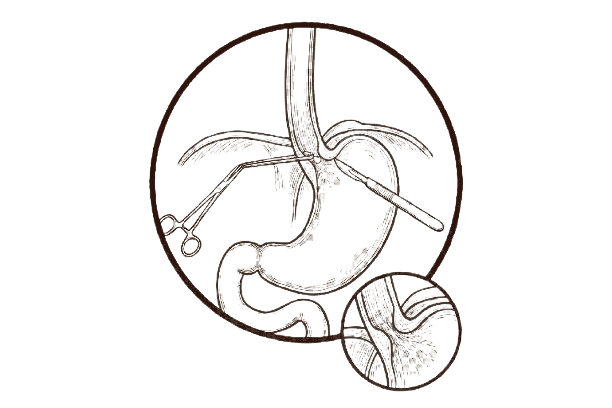
Approach: The upper part of the stomach is wrapped around the lower oesophagus to strengthen the natural anti-reflux valve and reduce acid backflow.
Patient Benefit: May provide long-term symptom relief while reducing dependence on long-term medication in appropriately selected patients.
Typically Used For: Severe GERD, large hiatal hernias or reflux that does not respond adequately to medical treatment. These procedures are performed by our experienced Surgical Gastroenterology specialists using advanced minimally invasive techniques whenever appropriate.
Which GERD Treatment Is Right for You?
The most appropriate GERD treatment depends on the frequency of symptoms, the severity of acid reflux, endoscopy findings, oesophageal function and your overall health. After reviewing your symptoms and diagnostic investigations, your gastroenterologist recommends a personalised treatment plan designed to provide long-term symptom control while protecting the oesophagus from ongoing acid damage.
| GERD Severity / Clinical Situation |
Commonly Recommended Treatment |
Typical Approach |
| Occasional Mild Reflux |
Lifestyle modification |
Dietary changes, weight management and avoidance of reflux triggers |
| Mild to Moderate GERD |
Medication + lifestyle measures |
Acid-suppressing medicines with regular follow-up |
| Persistent GERD Despite Medication |
Advanced diagnostic evaluation |
Endoscopy, pH monitoring and oesophageal function testing |
| Severe GERD with Oesophagitis |
Medical therapy or anti-reflux surgery |
Treatment based on endoscopy findings and symptom severity |
| GERD with Hiatal Hernia |
Laparoscopic anti-reflux surgery |
Surgical repair combined with reflux control where appropriate |
| Barrett’s Oesophagus or Reflux Complications |
Individualised multidisciplinary care |
Long-term surveillance, medication and advanced intervention when indicated |
The final treatment plan is based on your clinical evaluation, diagnostic findings and long-term treatment goals rather than symptoms alone.
What Should You Expect Before, During and After Treatment?
Our gastroenterology team guides patients through every stage of diagnosis, treatment and recovery, ensuring they understand the process before treatment begins.
Before Treatment
Your specialist reviews your symptoms, previous medical records, medications and dietary habits. Depending on your condition, upper GI endoscopy, blood investigations, pH monitoring or oesophageal manometry may be recommended. Patients also receive instructions regarding fasting, medication adjustments and preparation before endoscopic procedures or surgery.
During Treatment
Most patients begin with lifestyle modification and medication. If endoscopic treatment or laparoscopic anti-reflux surgery is recommended, the procedure is performed under appropriate anaesthesia with continuous monitoring by experienced gastroenterology and anaesthesia teams.
Recovery and Follow-Up
Recovery varies according to the type of treatment received. Patients undergoing endoscopy generally return home the same day, while those undergoing surgery may require a short hospital stay. Follow-up appointments focus on symptom improvement, dietary guidance, medication review and long-term oesophageal health.
Is GERD Treatment Covered Under Health Insurance?
Many GERD-related diagnostic procedures, hospitalisation and surgical treatments are covered under health insurance plans, subject to policy terms and insurer approval.
Trustwell Hospitals provides comprehensive insurance assistance, including:
- Cashless insurance support
- Insurance eligibility verification
- Pre-authorisation assistance
- Coordination with insurance providers
- Billing guidance
- Discharge documentation support
Patients are encouraged to discuss insurance coverage before treatment so approvals can be completed smoothly.
What Happens If GERD Is Left Untreated?
Not every episode of heartburn requires surgery, but persistent acid reflux should always be evaluated by a specialist. Early treatment may help reduce symptoms and lower the risk of long-term complications.
Progressive Oesophageal Inflammation
Repeated exposure to stomach acid can gradually inflame the lining of the oesophagus, causing worsening discomfort and difficulty swallowing over time.
Oesophageal Narrowing
Long-term inflammation may lead to scar tissue formation, causing narrowing of the oesophagus and making swallowing increasingly difficult.
Barrett’s Oesophagus
Chronic acid reflux has been associated with changes in the cells lining the lower oesophagus, a condition known as Barrett’s oesophagus, which requires ongoing surveillance.
Chronic Respiratory Symptoms
Untreated reflux may contribute to persistent cough, recurrent throat irritation, hoarseness and worsening asthma symptoms in some individuals.
Reduced Quality of Life
Ongoing heartburn, poor sleep, dietary restrictions and persistent discomfort can interfere with work, daily activities and overall wellbeing.
Early evaluation allows specialists to identify the cause of reflux and recommend appropriate treatment before complications develop.
How Does GERD Treatment Work at Trustwell Hospitals?
Our treatment pathway is designed to make digestive care simple, organised and patient-centred.
Step 1: Book Your Appointment
Meet with a gastroenterology specialist to discuss your symptoms, medical history and previous investigations.
Step 2: Comprehensive Evaluation
Your specialist performs a detailed clinical assessment and recommends investigations such as endoscopy or reflux testing when required.
Step 3: Personalised Treatment Planning
Based on the diagnosis, an individualised treatment plan is developed that may include lifestyle modification, medication, endoscopic therapy or laparoscopic anti-reflux surgery.
Step 4: Long-Term Follow-Up
Regular follow-up helps monitor symptom control, adjust medications, provide dietary guidance and detect reflux-related complications at an early stage.
Is Trustwell Hospitals Accredited for GERD Care?
Trustwell Hospitals is an NABH Accredited Hospital, demonstrating its commitment to patient safety, quality healthcare standards and evidence-based gastrointestinal care. Patients benefit from experienced specialists, advanced diagnostic services and coordinated treatment for digestive disorders.
Where Is Trustwell Hospitals Located and When Can You Visit?
Trustwell Hospitals is conveniently located in Sudhama Nagar, JC Road, Bangalore, making it easily accessible from different parts of the city through road, metro and public transport.
Address:
5, JC Rd, Vinobha Nagar, Sudhama Nagar, Bengaluru, Karnataka 560002
Phone:
80 4566 6777
OPD Hours:
10:00 AM to 4:00 PM
Parking Facilities:
Parking is available for patients and attendants.
Nearby Transportation and Landmarks
- KSR Bengaluru City Railway Station: Approximately 4 km away and easily accessible by taxi, auto or BMTC bus.
- Kempegowda Bus Station (Majestic): Around 4 km from the hospital with frequent city bus connectivity.
- Lalbagh Metro Station: Located about 1.5 km away, offering convenient access from many parts of Bangalore.
- Cubbon Park Metro Station: Approximately 2.5 km away and connected through the Namma Metro network.
- Kempegowda International Airport: Approximately 38 km away via Airport Expressway and city roads.
- Lalbagh Botanical Garden: A well-known landmark situated close to the hospital, helping visitors identify the location easily.
- Bangalore City Civil Court Complex: Located nearby on JC Road, making the hospital easy to locate.
- JC Road: One of Bangalore’s major connecting roads with convenient access by taxi, bus and private vehicle.
Patients Visit Us From Nearby Areas
Patients regularly visit Trustwell Hospitals for gallbladder treatment from:
- Sudhama Nagar
- Richmond Town
- Basavanagudi
- Jayanagar
- Wilson Garden
- Chamrajpet
- Shanti Nagar
- Koramangala
- Rajajinagar
- Vijayanagar
- Banashankari
- Indiranagar
- Electronic City
- Other Parts of Bangalore
The hospital is easily reachable by metro, BMTC buses, taxis and private vehicles, with parking available for added convenience.
Frequently Asked Questions About GERD Treatment
Can GERD be cured permanently?
GERD can often be effectively controlled with lifestyle modifications, medication or surgery, depending on the underlying cause. While many patients experience long-term symptom relief, treatment outcomes vary by individual.
Which doctor should I consult for GERD?
Patients with frequent acid reflux, persistent heartburn or swallowing difficulties should consult a Gastroenterologist or Surgical Gastroenterologist for evaluation and treatment.
Can GERD heal without surgery?
Yes. Most patients improve with dietary changes, weight management and medications. Surgery is usually considered only when symptoms persist despite appropriate medical treatment or complications develop.
Is GERD the same as occasional acid reflux?
No. Occasional acid reflux can occur after heavy meals, whereas GERD is a chronic condition in which reflux occurs repeatedly and may damage the oesophagus.
What foods should I avoid if I have GERD?
Many patients benefit from reducing spicy foods, fried foods, caffeine, chocolate, carbonated drinks, citrus fruits and alcohol. Individual dietary triggers may vary.
Can GERD increase the risk of oesophageal cancer?
Most people with GERD do not develop cancer. However, long-standing reflux can increase the risk of Barrett’s oesophagus, which may require regular surveillance in selected patients.
Is anti-reflux surgery safe?
Laparoscopic anti-reflux surgery is a well-established procedure for appropriately selected patients. Your specialist will discuss the benefits, potential risks and expected recovery before recommending surgery.
When should I seek medical attention for heartburn?
Heartburn occurring more than twice a week, symptoms that persist despite medication or reflux associated with difficulty swallowing, weight loss or bleeding should be evaluated by a specialist.


 Neuro Sciences
 Gastro Sciences
 Kidney Diseases
 Orthopedics
 Transplantation
 ENT and Head-Neck Surgery
 Advanced Trauma Center
 Cardiology
 Interventional Pulmonology
 Hematology and Bone Marrow Transplant(BMT)
 Anesthesia
 Critical Care Excellence, Comprehensive Intensive Care Services in Bangalore
 Dental Surgery and Oral Implants
 Dermatology and Cosmetic Surgery
 Endocrinology and Diabetology
 Facial Plastic and Reconstructive Surgery
 Family Medicine
 Internal Medicine
 Microbiology
 Obstetrics and Gynaecology
 Oncology
 Ophthalmology
 Oral and Maxillofacial Surgery
 Pathology and Laboratory
 Pediatrics