A New Milestone: Successfully accredited with NABH 6th Edition – Redefining standards in healthcare quality and patient safety | Live vitals. Real-time data. Faster care. Trustwell Hospitals unveils Karnataka’s first 5G SMART ambulance |
Find a Doctor Book Online Appointment
Adenoidectomy Surgery in Bangalore

Adenoidectomy Surgery in Bangalore

Adenoidectomy Surgery in Bangalore

Adenoidectomy surgery in Bangalore is performed when enlarged or troublesome adenoids begin to affect a person’s breathing or cause recurrent ENT problems. The adenoids sit behind the nose and are more prominent in children. When they become enlarged, they may lead to nasal blockage, mouth breathing, snoring and sleep-disordered breathing. The decision regarding the appropriateness of surgery is taken after thorough ENT investigation and diagnosis. Based on the patient’s symptoms and condition, the ENT surgeon determines the appropriateness of the surgical treatment. In case you or your dear ones are facing breathing problems or are not able to sleep well due to swollen adenoids, schedule an appointment for adenoidectomy surgery in Bangalore.

What is Adenoidectomy Surgery?

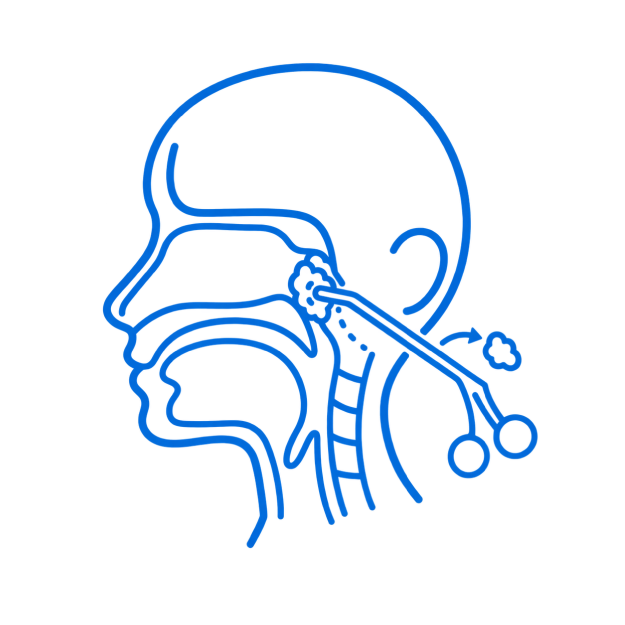
Adenoidectomy is the surgical removal of the adenoids. They are lymphatic tissues located at the back of the nose and at the top of the throat, but they tend to be more conspicuous in children. In some cases, the adenoids enlarge or become infected regularly, causing blockage of the nasal airway and leading to nasal obstruction, mouth breathing, snoring, or disrupted sleep patterns. Adenoid removal surgery can be recommended in such instances.

Conditions Treated with Adenoidectomy

  • Enlarged or infected adenoids: Adenoid removal surgery may be recommended when enlarged and/or infected adenoids affect breathing and sleep.
  • Adenoid hypertrophy: Adenoids may enlarge to the point that they can obstruct normal nasal breathing.
  • Nasal obstruction: The child has nasal obstruction and finds it hard to breathe normally through their nose.
  • Frequent or recurrent adenoid infection: Infections keep recurring despite proper medical treatment.
  • Sleep-disordered breathing: One cause of snoring is enlarged adenoids, which can affect breathing at night.
  • Recurring middle ear conditions in some children: Some children may develop middle ear conditions due to enlarged adenoids.
  • Mouth breathing due to enlarged adenoids: If it is difficult for a child to breathe via the nose, they may resort to breathing through the mouth.

Symptoms of Enlarged Adenoids

Common symptoms associated with enlarged adenoids include:
  • Persistent blocked nose
  • Mouth breathing
  • Snoring
  • Noisy breathing
  • Disturbed or restless sleep
  • Nasal-sounding speech
  • Recurrent ear problems
  • Difficulty breathing through the nose

Who Needs Adenoidectomy Surgery?

Adenoidectomy may be indicated if enlarged or chronically infected adenoids affect breathing or sleep or cause other ear, nose, and throat problems. Adenoidectomy can be done if any of the following are present in the case of children:
  • Chronic nasal obstruction: Inability to breathe easily through the nose because of chronic blockage.
  • Mouth breathing: Nasal obstruction may lead a child to breathe through the mouth.
  • Snoring: Snoring at night due to enlarged adenoids.
  • Chronic or recurrent adenoid infection: Adenoidectomy can be performed in cases of chronic or recurrent adenoid infection.
  • Recurrent ear issues in some patients: Recurrent ear problems can be a result of blockage of Eustachian tubes due to enlargement of adenoids.
  • Symptoms not responding to appropriate medical treatment: This surgery may be considered if the problems persist despite proper treatment.

Diagnosis Before Adenoidectomy

ENT Examination

The ENT specialist assesses nasal breathing and examines the nose, throat and ears. The medical history may also include recurrent infections, snoring, mouth breathing and other sleep-related symptoms.

Nasal Endoscopy

Nasal endoscopy allows the ENT specialist to directly assess the adenoid tissue and determine the extent to which it contributes to nasal airway obstruction.

Additional Tests

Hearing tests may be advised when recurrent ear problems or middle-ear fluid are present. A sleep assessment may be recommended when significant sleep-disordered breathing is suspected. Other investigations are performed when clinically necessary.

Adenoidectomy Procedure at Trustwell Hospitals

Pre-Surgery Preparation

Prior to the adenoidectomy procedure, the patient must undergo an ENT examination and an anaesthesia assessment. Pre-surgery blood work can also be recommended in certain cases. Medications and medical history are discussed with the surgeon, and fasting instructions are given to the patient.

During Surgery

Adenoidectomy is normally done under general anaesthesia. Adenoids are approached via the mouth, and the enlarged tissue of the adenoids is removed. Bleeding is controlled, and there is no need for an external incision.

Post-Surgery Care

After surgery, the patient will be monitored as they come out of anaesthesia. Instructions regarding pain control, fluid intake, and diet are given to the patient. The post-surgical period will also be monitored for any complications such as bleeding.

Benefits of Adenoidectomy Surgery

Depending on the underlying problem, adenoidectomy surgery may help with:
  • Improved nasal breathing
  • Reduced nasal obstruction
  • Reduced mouth breathing
  • Improved sleep in selected patients
  • Fewer problems related to chronically enlarged adenoids
  • Improved quality of life
The outcome depends on the cause and severity of symptoms, as well as whether other ENT conditions are present.

Risks and Complications

Although adenoidectomy is commonly performed, it is still a surgical procedure and may have risks, including:
  • Bleeding
  • Infection
  • Throat discomfort
  • Temporary nasal-sounding voice changes
  • Dehydration
  • Reaction to anaesthesia
  • Rare regrowth of adenoid tissue
The ENT team discusses the potential risks and expected recovery before surgery.

Expert ENT Surgeons for Adenoidectomy in Bangalore

Adenoidectomy surgery in Bangalore at Trustwell Hospitals is performed by ENT surgeons experienced in managing enlarged adenoids, nasal obstruction, and other ENT problems. Treatment decisions are made according to the individual patient’s condition and clinical requirements. Paediatric ENT facilities are also available when needed.

Why Choose Trustwell Hospitals for Adenoidectomy Surgery in Bangalore?

Selecting the right ENT team is important when enlarged adenoids begin affecting breathing, sleep, or causing recurrent ear problems. At Trustwell Hospitals, patients can benefit from:
  • Experienced ENT specialists: The ENT team treats patients with enlarged adenoids and related conditions such as nasal blockage, snoring, mouth breathing, and recurrent ear disorders.
  • Advanced ENT facilities: The hospital has facilities for the examination and treatment of problems of the ear, throat, nose, and adenoids.
  • Modern operating rooms: Adenoidectomy is performed in modern operating rooms equipped to support surgical care.
  • Comprehensive ENT evaluation: The ENT specialist checks the patient’s nose, throat and ears and reviews the symptoms. If needed, additional tests may also be recommended.
  • Personalised patient care: Not all patients need the same treatment approach. The ENT specialist evaluates the patient’s symptoms and provides treatment accordingly.
  • Anaesthesia and post-operative care: Adenoidectomy is performed using general anaesthesia. Post-operative care includes guidance regarding medication, fluids, and nutrition.
  • Structured follow-up care: Follow-up visits help the doctor monitor the healing process.
If persistent problems are being caused by enlarged or troublesome adenoids, the ENT department can assess whether adenoidectomy may be appropriate and recommend the next step accordingly.

Frequently Asked Questions About Adenoidectomy Surgery in Bangalore

What is adenoidectomy surgery?

Adenoidectomy surgery is a procedure to remove enlarged or chronically problematic adenoid tissue located behind the nose. It may be recommended when the adenoids cause nasal obstruction, mouth breathing, sleep-related breathing problems or selected recurrent ENT problems.

Who needs adenoid removal surgery?

Adenoid removal surgery can be performed when patients have substantial complaints due to enlarged or infected adenoids, especially if these complaints persist despite appropriate medical therapy.

What are the symptoms of enlarged adenoids?

Enlarged adenoids can manifest as symptoms such as a blocked nose, mouth breathing, snoring, noisy breathing, sleep disturbances, nasal quality of speech, and ear problems.

Is adenoidectomy commonly performed in children?

Yes. Adenoidectomy is usually done in children since the adenoids are relatively bigger in children. Nevertheless, in some cases, adenoidectomy might also be recommended for adults when enlarged or troublesome adenoids lead to significant symptoms.

How long does adenoidectomy surgery take?

In most cases, the operation is relatively quick, though the duration depends on factors such as the patient’s medical condition and the findings during the operation. Book an Appointment
Book an Appointment