A New Milestone: Successfully accredited with NABH 6th Edition – Redefining standards in healthcare quality and patient safety | Live vitals. Real-time data. Faster care. Trustwell Hospitals unveils Karnataka’s first 5G SMART ambulance |
Find a Doctor Book Online Appointment
Microlaryngoscopic Surgery in Bangalore

Microlaryngoscopic Surgery in Bangalore

Microlaryngoscopic Surgery in Bangalore

Ongoing hoarseness or a change in voice can sometimes be related to a problem with the vocal cords or larynx. Microlaryngoscopic Surgery in Bangalore at Trustwell Hospitals is performed to examine and treat selected conditions such as vocal cord polyps, nodules, cysts and other vocal cord lesions. An ENT expert will examine the cause of the patient’s voice problems and determine whether the patient requires surgery. If surgery is needed, the affected area is accessed through the mouth using specialised equipment. Do not neglect recurring hoarseness of your voice. If you have been advised Microlaryngoscopic Surgery in Bangalore, consult our ENT doctors.

What is Microlaryngoscopic Surgery?

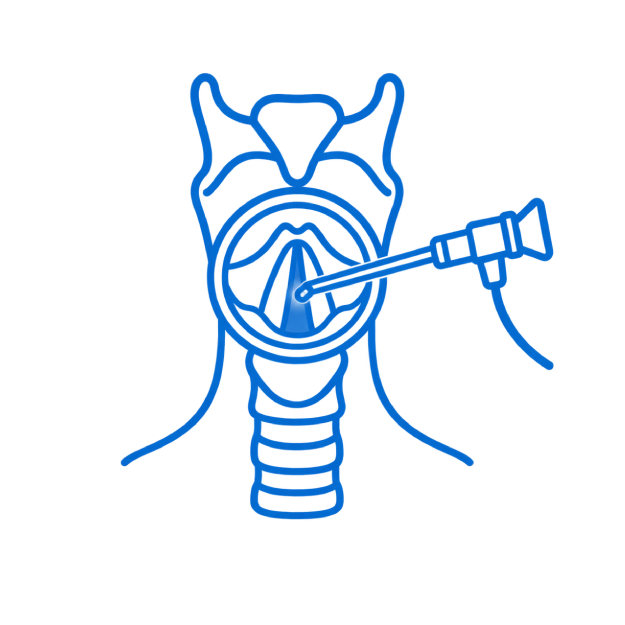
Microlaryngoscopy refers to the process whereby the larynx and the vocal cords are inspected and treated under magnification. In microlaryngoscopy, special surgical instruments are inserted through the mouth to gain access to the larynx, making it unnecessary for the neck to be cut open externally. The surgeon may remove the affected vocal cord lesion or take a small tissue sample for biopsy, depending on the condition. Microlaryngeal surgery allows the ENT surgeon to work on the larynx through the mouth, using magnification to see the vocal cords clearly.

Conditions Treated with Microlaryngoscopic Surgery

Not every vocal cord or laryngeal problem needs surgery. When a lesion in the larynx or vocal cord needs to be removed, examined, or subjected to a biopsy, microlaryngoscopic surgery may be performed.
  • Vocal Cord Polyps: Benign growths that may lead to persistent hoarseness or voice changes.
  • Vocal Cord Nodules: These are commonly related to voice misuse or voice strain. Surgical intervention may be considered in selected cases where other treatments are ineffective.
  • Vocal Cord Cysts: Benign cysts that may interfere with the normal vibration of the vocal cords.
  • Vocal Cord Lesions: Abnormal growths that may require surgical treatment or biopsy depending on the clinical presentation.
  • Laryngeal Papillomas: Benign HPV-related growths that may require removal when they affect the voice or airway.
  • Suspicious Growths Requiring Biopsy: Unusual laryngeal growths may be sampled to establish the diagnosis and guide further treatment.
  • Selected Causes of Persistent Hoarseness: Ongoing hoarseness can sometimes result from a structural lesion of the vocal cord or larynx. If the lesion requires surgical treatment, microlaryngoscopic surgery may be recommended.
The decision to operate is made after an ENT assessment. The surgeon considers the type and location of the lesion, its size, the patient’s symptoms and the findings from laryngeal examination before recommending the most suitable approach.

Symptoms That May Require Laryngeal Evaluation

An ENT assessment may be recommended for symptoms such as:
  • Persistent hoarseness of voice
  • Changes in voice quality
  • Voice fatigue
  • Difficulty speaking
  • Persistent throat discomfort
  • Difficulty or pain while swallowing
  • Breathing difficulty associated with selected laryngeal conditions
Persistent voice changes can have several causes. Evaluation helps identify whether a vocal cord lesion or another voice disorder is responsible.

Who Needs Microlaryngoscopic Surgery?

If a vocal cord or laryngeal lesion needs to be removed or biopsied, an ENT specialist may recommend microlaryngoscopic surgery. It may be recommended for:
  • Persistent vocal cord lesions
  • Vocal cord polyps or cysts affecting the voice
  • Suspicious laryngeal lesions
  • Lesions requiring biopsy
  • Voice problems that do not improve with appropriate treatment
  • Recurrent laryngeal growths
Not every vocal cord lesion requires surgery. Treatment is selected according to the individual diagnosis and clinical findings.

Diagnosis Before Microlaryngoscopic Surgery

ENT and Voice Evaluation

The ENT surgeon evaluates the patient’s symptoms, including changes in voice, the duration and severity of hoarseness of voice, and any associated throat or swallowing symptoms. The medical and voice history also helps guide further evaluation.

Laryngoscopy

Laryngoscopy allows the ENT specialist to visualise the vocal cords and larynx. It can help identify swelling, vocal cord lesions, polyps, nodules and other abnormalities and assist in planning appropriate treatment.

Microlaryngoscopic Surgery Procedure at Trustwell Hospitals

Pre-Surgery Preparation

Before microlaryngeal surgery, the patient may need:
  • ENT and voice check-up
  • Laryngoscopy
  • Routine pre-surgery tests
  • Anaesthesia assessment
  • Review of current medicines and medical history

During Surgery

General anaesthesia is commonly used. A laryngoscope is introduced through the mouth to gain access to the larynx. The vocal cords are carefully examined, and the lesion is either removed or biopsied under magnification. Usually, there is no need for a neck incision when performing microlaryngoscopy.

Post-Surgery Care

After microlaryngoscopic surgery, patients may be advised to:
  • Take medicines or other measures for throat discomfort
  • Rest the voice for the period advised by the surgeon
  • Drink enough fluids
  • Stay under observation until the effects of anaesthesia wear off
  • Attend follow-up visits
  • Take voice therapy if advised
How long voice rest is needed and when normal speaking can resume will depend on the procedure and the condition treated.

Benefits of Microlaryngoscopic Surgery

Depending on the condition, microlaryngoscopic surgery may offer benefits such as:
  • Precise examination of the vocal cords
  • Targeted removal of selected vocal cord lesions
  • Improvement in voice quality in appropriate cases
  • Ability to obtain tissue for biopsy
  • No external neck incision in most cases
  • Precise surgical treatment of selected laryngeal conditions

Risks and Complications

As with any surgical procedure, microlaryngoscopic surgery has potential risks. These may include:
  • Throat pain or discomfort
  • Temporary voice changes
  • Bleeding
  • Infection
  • Vocal cord scarring
  • Dental or oral injury
  • Persistent or recurrent voice problems
  • Reaction to anaesthesia
The risks vary depending on the procedure and individual health factors. The ENT surgeon will discuss the expected benefits and potential complications before surgery.

Expert ENT Surgeons for Microlaryngoscopic Surgery in Bangalore

Choosing an experienced ENT Surgeon for Microlaryngoscopy in Bangalore is important when a vocal cord or laryngeal lesion requires surgical evaluation. At Trustwell Hospitals, ENT specialists manage laryngeal and vocal cord disorders and use precise microlaryngeal surgical techniques for appropriately selected patients.

Why Choose Trustwell Hospitals for Microlaryngoscopic Surgery in Bangalore?

Trustwell Hospitals provides:
  • Experienced ENT specialists: ENT specialists with experience in managing ENT conditions and performing microlaryngoscopic surgery in Bangalore.
  • Advanced laryngeal evaluation: Diagnostic facilities are available to support detailed assessment of laryngeal and vocal cord conditions.
  • Specialised surgical facilities: Surgical facilities are available with support from experienced surgeons and qualified nursing staff.
  • Evaluation and treatment of selected voice disorders: Voice and ENT-related disorders are assessed, and treatment is planned according to the patient’s condition.
  • Focused care for vocal cord and laryngeal conditions: Vocal cord and laryngeal problems require focused assessment and treatment aimed at supporting voice function. The care team coordinates treatment according to the patient’s requirements.
Patients seeking a Microlaryngoscopy Hospital in Bangalore can undergo specialist assessment at Trustwell Hospitals to determine whether microlaryngoscopic surgery is appropriate for their condition.

Frequently Asked Questions About Microlaryngoscopic Surgery in Bangalore

What is microlaryngoscopic surgery?

Microlaryngoscopic surgery is a procedure used to closely examine and treat selected conditions affecting the larynx and vocal cords. Specialised instruments are introduced through the mouth, usually without an external neck incision.

Who needs microlaryngoscopic surgery?

It may be recommended for patients with selected vocal cord or laryngeal lesions that require surgical removal, treatment or biopsy after ENT evaluation.

What conditions can microlaryngoscopy treat?

It may be used for selected vocal cord polyps, vocal cord nodules, cysts, papillomas and other vocal cord lesions, as well as suspicious growths that require biopsy.

Can vocal cord polyps be removed with microlaryngoscopic surgery?

Yes. Vocal cord polyps can be removed through microlaryngoscopic surgery when surgical treatment is considered appropriate following ENT evaluation.

What are the risks of microlaryngoscopic surgery?

Possible risks include throat discomfort, temporary voice changes, bleeding, infection, vocal cord scarring, dental or oral injury, recurrence of voice problems and anaesthesia-related complications. Book an Appointment
Book an Appointment