A New Milestone: Successfully accredited with NABH 6th Edition – Redefining standards in healthcare quality and patient safety | Live vitals. Real-time data. Faster care. Trustwell Hospitals unveils Karnataka’s first 5G SMART ambulance |
Find a Doctor Book Online Appointment
Functional Endoscopic Sinus Surgery (FESS) in Bangalore

Functional Endoscopic Sinus Surgery (FESS) in Bangalore

Functional Endoscopic Sinus Surgery in Bangalore

A blocked nose, facial pain, decreased sense of smell, and recurring sinus infections can make everyday life difficult and interfere with sleep. If patients have chronic sinusitis or another sinus condition that persists despite appropriate medical care, surgery may be considered. Functional Endoscopic Sinus Surgery in Bangalore is a surgical procedure performed in selected patients to improve sinus drainage. The ENT & Head-Neck Surgery Department at Trustwell Hospitals diagnoses and treats a range of sinus problems. HD nasal endoscopy and CT scans may be used to assess the condition of the sinuses and identify areas of sinus obstruction. Endoscopic sinus surgery is one of the modern ENT procedures available at the hospital. Consult our ENT specialists for functional endoscopic sinus surgery in Bangalore at Trustwell Hospitals.

What is Functional Endoscopic Sinus Surgery (FESS)?

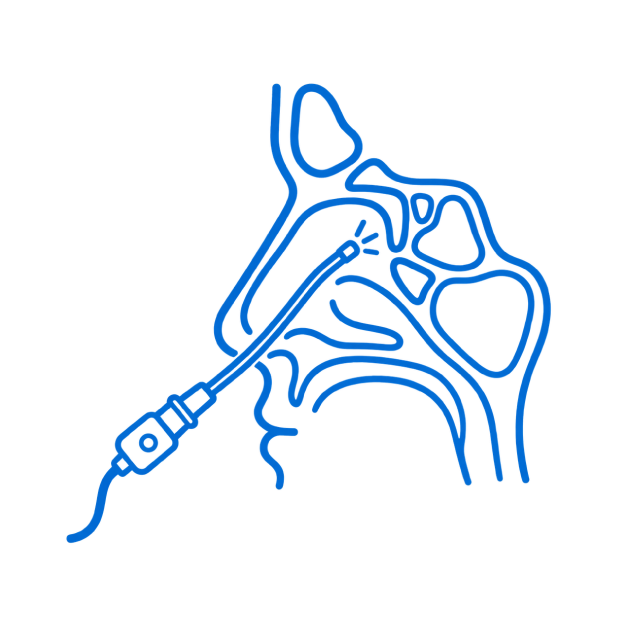
Functional endoscopic sinus surgery, commonly known as FESS, is a form of minimally invasive endoscopic sinus surgery performed through the nose. An endoscope enables the ENT surgeon to visualise the nasal cavity and sinus openings. FESS involves identifying and treating sinus blockage to improve drainage and ventilation of the sinuses. Depending on the specific condition, diseased tissue, nasal polyps, or other obstructions may be removed, and affected sinus openings may be widened. This may help improve sinus drainage and reduce symptoms such as nasal congestion in conditions like chronic sinusitis. Because FESS is performed through the nostrils, an external facial incision is usually not required. FESS is not necessary for everyone with sinus symptoms. The decision depends on the underlying diagnosis, severity of disease, response to appropriate medical treatment, and findings from nasal endoscopy or imaging.

Conditions Treated with FESS

FESS may be considered for patients with:
  • Chronic rhinosinusitis
  • Recurrent acute sinus infections
  • Nasal polyps causing obstruction
  • Persistent sinus drainage blockage
  • Selected sinus mucoceles
  • Fungal sinus conditions
  • Certain complications or structural problems involving the sinuses
Current clinical guidance generally considers endoscopic sinus surgery when symptoms persist despite appropriate medical treatment and there is objective evidence of sinus disease on endoscopy or CT imaging.

Symptoms of Chronic Sinus Problems

Sinus disease can cause symptoms that persist for weeks or recur frequently. Common symptoms include:
  • Persistent nasal congestion or a blocked nose
  • Facial pain, pressure, or discomfort
  • Thick nasal discharge
  • Postnasal drip
  • Reduced sense of smell
  • Recurrent sinus infections
  • Headache or facial pressure
Not every person with these symptoms has chronic sinusitis. An ENT evaluation is important when symptoms are persistent or recurrent.

Who Needs FESS Surgery in Bangalore?

FESS may be recommended when symptoms of sinus disorders continue despite appropriate medical management. It may also be considered when nasal polyps or structural blockages prevent normal sinus drainage. ENT specialists may recommend surgery for chronic sinusitis that persists despite proper medical treatment, recurrent acute sinusitis, nasal polyps causing blockage, sinus blockage, and selected complications associated with sinus disease. The decision to proceed with surgery depends on the patient’s symptoms, physical findings, investigations, and response to previous treatment.

Diagnosis Before FESS Surgery

Before FESS is considered, an ENT specialist assesses the patient’s symptoms, medical history, and response to previous treatment to determine whether the symptoms are related to chronic sinus disease.

ENT Examination and Nasal Endoscopy

A detailed examination of the nose and the pathways through which the sinuses drain is generally performed. Nasal endoscopy enables the ENT specialist to examine areas that may not be easily visible during a routine nasal examination. Nasal endoscopy may help with:
  • Examining the nasal passages and sinus drainage pathways
  • Detecting inflammation, nasal polyps, drainage, or blockage
  • Identifying blockages within the sinuses
  • Assessing the extent of sinus disease
  • Helping diagnose chronic sinusitis or other sinus disorders

CT Scan of the Sinuses

A CT scan provides detailed images of the sinuses and surrounding structures. It may be recommended when surgery is being considered, particularly when symptoms suggest significant sinus disease. A sinus CT scan may:
  • Identify affected sinuses and areas of blockage
  • Show inflammation, opacification, polyps, or other structural changes
  • Provide information about the anatomy of sinus drainage pathways
  • Support detailed surgical planning when Endoscopic Sinus Surgery is indicated
The findings from the ENT examination, nasal endoscopy, and CT scan are considered alongside the patient’s symptoms and treatment history to determine whether FESS is appropriate.

FESS Procedure at Trustwell Hospitals

Pre-Surgery Preparation

The patient’s symptoms, medical history, and previous treatment are reviewed by the ENT department before surgery. Nasal endoscopy and CT scanning may be performed as needed. Other investigations, such as blood tests and an anaesthesia assessment, may also be recommended. Medicines and existing medical conditions are reviewed before surgery.

During Surgery

FESS is performed under anaesthesia. The surgeon introduces an endoscope through the nostril to visualise the affected areas. Depending on the findings, the surgeon may:
  • Open or enlarge narrowed sinus drainage pathways
  • Remove diseased tissue or nasal polyps when necessary
  • Clear obstructing material
  • Preserve as much healthy nasal and sinus tissue as possible
The exact procedure varies depending on the sinus condition and the individual patient’s anatomy.

Post-Surgery Care

Patients who have undergone FESS are given instructions regarding nasal care during recovery. This may include saline rinses, prescribed medications, precautions to reduce the risk of bleeding, and regular follow-up visits with the ENT specialist. During follow-up visits, the ENT specialist may inspect the nasal cavities and perform endoscopic cleaning when required to remove crusts or debris that develop during healing. Follow-up care plays an important role in recovery after endoscopic sinus surgery.

Benefits of FESS Surgery

For appropriately selected patients, FESS may help:
  • Improve sinus drainage
  • Reduce nasal blockage
  • Improve nasal breathing
  • Reduce symptoms associated with chronic sinus disease
  • Improve the sense of smell in some patients
  • Provide a minimally invasive approach to sinus surgery
  • Improve access of topical medicines to the sinus cavities in selected cases
The expected benefits depend on the underlying condition, extent of disease, and the individual’s response to treatment.

Risks and Complications

Although FESS is usually performed using minimally invasive techniques, it is still a surgical procedure and may have possible complications, including:
  • Bleeding
  • Infection
  • Swelling of the nose or discomfort
  • Formation of scar tissue
  • Recurrence of sinus disease or nasal polyps
  • Temporary or persistent changes in the sense of smell
The doctor will discuss possible complications in relation to the patient’s condition before surgery.

Expert ENT Surgeons for Functional Endoscopic Sinus Surgery in Bangalore

Trustwell Hospitals has a dedicated ENT & Head-Neck Surgery Department with specialists experienced in managing sinusitis, nasal polyps, and other nasal conditions. The hospital’s ENT services include endoscopic sinus surgery along with diagnostic facilities such as HD nasal endoscopy and sinus CT imaging.

Why Choose Trustwell Hospitals for FESS Surgery in Bangalore?

Choosing the right ENT team is an important part of preparing for FESS surgery in Bangalore. Trustwell Hospitals has ENT specialists and diagnostic facilities to evaluate sinus conditions, provide treatment, and support follow-up care. Services available at the hospital include:
  • Advanced nasal endoscopy facilities: Nasal endoscopy can help ENT specialists examine the nasal passages and sinus drainage pathways in detail.
  • Endoscopic Sinus Surgery: Surgical facilities are available for appropriately selected patients requiring endoscopic sinus procedures.
  • Experienced ENT specialists: The ENT team evaluates and manages a range of sinus and nasal conditions.
  • Operation theatres: Surgical procedures are performed in equipped operating theatres.
  • Personalised treatment plans: Treatment is planned according to the patient’s symptoms, diagnosis, clinical findings, and response to previous medical treatment.
  • Post-surgery follow-up: Follow-up visits help the ENT specialist monitor healing and provide appropriate postoperative nasal care.
Patients considering functional endoscopic sinus surgery in Bangalore can consult the ENT specialists at Trustwell Hospitals to understand whether FESS may be appropriate for their condition.

Frequently Asked Questions About FESS Surgery in Bangalore

What is Functional Endoscopic Sinus Surgery (FESS)?

FESS is a minimally invasive procedure in which an endoscope is inserted through the nose to examine and treat selected sinus disorders. The procedure aims to improve the drainage and ventilation of the affected sinuses.

Who needs FESS surgery in Bangalore?

FESS may be recommended for individuals with chronic rhinosinusitis, recurrent sinus infections, nasal polyps, or other sinus conditions that continue despite appropriate medical treatment.

Is FESS a major surgery?

FESS is a minimally invasive procedure, although the extent of surgery can vary depending on the patient’s condition and the sinuses that need treatment. The ENT surgeon can explain what the procedure will involve in an individual case.

Can sinusitis return after FESS surgery?

Yes. FESS can improve sinus drainage and address selected anatomical or inflammatory problems, but it does not permanently remove the underlying tendency to develop sinus inflammation. Recurrent sinusitis or nasal polyps may occur in some patients.

What are the risks of FESS surgery?

Possible risks include bleeding, infection, scar tissue formation, or recurrence of sinus disease. The supplied content also notes that complications involving the area around the eye or base of the skull may occur very rarely. Book an Appointment
Book an Appointment