A New Milestone: Successfully accredited with NABH 6th Edition – Redefining standards in healthcare quality and patient safety | Live vitals. Real-time data. Faster care. Trustwell Hospitals unveils Karnataka’s first 5G SMART ambulance |
Find a Doctor Book Online Appointment
Thyroidectomy Surgery in Bangalore

Thyroidectomy Surgery in Bangalore

Thyroidectomy Surgery in Bangalore

Thyroidectomy is a procedure performed to remove part or all of the thyroid gland when certain thyroid conditions require surgical treatment. It may be recommended for thyroid nodules, goitre, thyroid cancer, an enlarged thyroid gland, and hyperthyroidism that does not respond adequately to other treatments. At Trustwell Hospitals, experienced endocrine and ENT surgeons use advanced techniques for thyroidectomy surgery in Bangalore and a personalised treatment approach tailored to the patient’s condition. A comprehensive evaluation is performed to carefully plan the surgery, followed by appropriate postoperative monitoring and thyroid care.

What is Thyroidectomy Surgery?

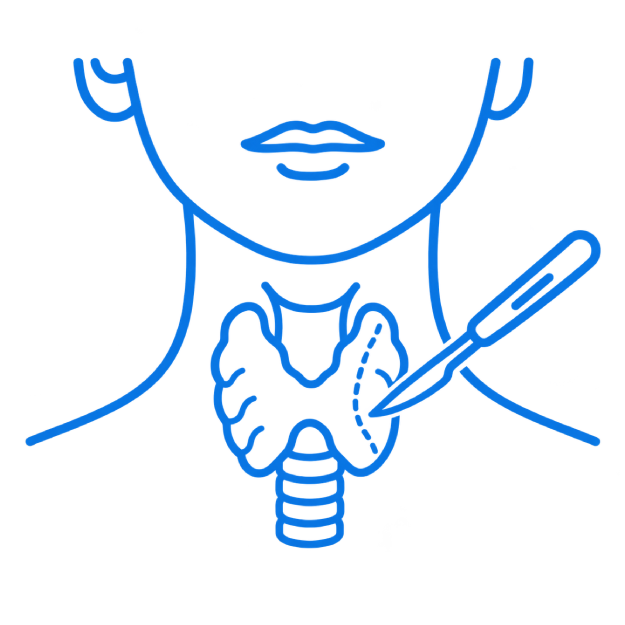
The thyroid gland has a butterfly shape and is located at the front of the neck. It produces hormones that help regulate metabolism, energy expenditure, body temperature, and several other bodily functions. When a person develops thyroid problems such as enlarged nodules, a goitre, an overactive thyroid, or suspected or confirmed thyroid cancer, doctors may recommend thyroidectomy. Thyroidectomy is a surgical procedure in which the surgeon removes part or all of the thyroid gland. Depending on the condition, a partial thyroidectomy or total thyroidectomy may be performed. The choice of endocrine surgery depends on factors such as the size and nature of the thyroid swelling, thyroid function, test results, and whether cancer is suspected or confirmed.

Conditions Treated with Thyroidectomy

Thyroid removal surgery in Bangalore may be considered for several thyroid conditions, including:
  • Thyroid nodules: Some nodules may require surgery when they are suspicious, large, or causing symptoms.
  • Multinodular goitre: Multiple thyroid nodules can enlarge the thyroid and may require surgical treatment.
  • Large goitre: An enlarged thyroid gland can cause difficulty swallowing, breathing problems, or pressure in the neck.
  • Thyroid cancer: Surgery is an important treatment for many types of thyroid cancer.
  • Hyperthyroidism: Surgery may be considered when hyperthyroidism is not adequately controlled with medication or when other treatment options are unsuitable.
  • Suspicious thyroid swelling: A thyroid swelling with concerning clinical or diagnostic findings may require removal for definitive diagnosis and treatment.

Symptoms That May Require Thyroid Evaluation

Some symptoms may indicate the need for a detailed thyroid evaluation. These can include:
  • Swelling or a lump in the neck
  • Difficulty swallowing
  • Hoarseness or changes in the voice
  • Visible enlargement of the thyroid gland
  • Difficulty breathing
  • Symptoms associated with hyperthyroidism, such as unexplained weight loss, increased sweating, or rapid heartbeat
  • A persistent or enlarging thyroid nodule
Note: Not every thyroid swelling requires surgery. A thyroid surgeon evaluates the symptoms, examination findings, and diagnostic reports before recommending treatment.

Who Needs Thyroidectomy Surgery?

Thyroidectomy may be recommended when a thyroid disorder cannot be adequately managed with medication or when diagnostic findings indicate a need for surgery. Common situations may include:
  • Confirmed or suspected thyroid cancer
  • Suspicious thyroid nodules
  • A large goitre causing swallowing or breathing difficulties
  • Hyperthyroidism requiring surgical treatment
  • Recurrent thyroid cysts
  • Significant thyroid enlargement causing discomfort or pressure
  • Selected cases where a large goitre causes noticeable cosmetic concerns
Note: The decision is made after considering the patient’s overall health, thyroid function, imaging results, and the nature of the thyroid disease.

Diagnosis Before Thyroidectomy

Before thyroidectomy, the doctor performs a detailed evaluation to determine whether surgery is appropriate and which surgical approach may be most suitable.

Clinical Examination

The thyroid surgeon may assess:
  • Size and consistency of the thyroid gland
  • Severity of the condition
  • Location and characteristics of neck swelling
  • Presence of enlarged lymph nodes
  • Swallowing and breathing symptoms
  • Changes in voice
  • Other signs associated with thyroid dysfunction

Diagnostic Tests

Depending on the patient’s condition, tests may include:
  • Thyroid function tests: These help assess thyroid hormone levels and thyroid function.
  • Ultrasound scan: It helps evaluate thyroid nodules, cysts, and the structure of the thyroid gland.
  • Fine Needle Aspiration Cytology (FNAC): FNAC may be performed to examine cells from a thyroid nodule and assess whether it is suspicious.
  • CT scan: A CT scan may be recommended when additional information about a large or complex thyroid swelling is clinically required.

Types of Thyroidectomy Surgery

Thyroidectomy can be performed using different approaches. The choice depends on the patient’s condition and the surgeon’s evaluation.

Hemithyroidectomy

Hemithyroidectomy involves removing one lobe of the thyroid gland while leaving the other lobe intact. It may be recommended for selected benign nodules, certain indeterminate thyroid lesions, or specific thyroid conditions.

Total Thyroidectomy

Total thyroidectomy involves removing the entire thyroid gland. It is commonly performed for thyroid cancer and selected conditions affecting both sides of the thyroid. After a total thyroidectomy, thyroid hormone replacement is generally required because the thyroid gland is no longer able to produce thyroid hormone.

Completion Thyroidectomy

Completion thyroidectomy involves removing the remaining thyroid tissue after a previous partial thyroidectomy when further surgery is considered necessary. The need for this procedure depends on the final diagnosis and individual clinical circumstances.

Thyroidectomy Procedure at Trustwell Hospitals

At Trustwell Hospitals, thyroidectomy is planned according to the patient’s diagnosis, medical history, and surgical requirements.

Pre-Surgery Preparation

Before surgery, the medical team may perform:
  • Clinical evaluation of the thyroid and neck
  • Blood tests
  • Thyroid function assessment
  • Review of ultrasound and FNAC reports
  • Additional imaging when required
  • Anaesthesia evaluation
  • Instructions regarding fasting before surgery
The surgical team explains the procedure, expected recovery, and potential risks before the operation.

During Surgery

Thyroidectomy is usually performed under general anaesthesia. During the procedure, the surgeon makes an incision in the lower neck to access the thyroid gland. Depending on the planned procedure, the affected thyroid lobe or the entire gland is removed. The surgeon takes care to identify and preserve important nearby structures, including the nerves responsible for vocal cord movement and the parathyroid glands. Once the procedure is complete, the surgical wound is carefully closed. The exact surgical technique may vary depending on the thyroid condition and the patient’s individual anatomy.

Post-Surgery Care

After thyroidectomy, the patient is monitored during recovery and for possible postoperative concerns. Care may include:
  • Pain management
  • Monitoring calcium levels when clinically required
  • Observation for voice changes
  • Surgical wound care
  • Monitoring for swelling or bleeding
  • Follow-up consultation
  • Thyroid hormone replacement when required
The duration of hospital stay and recovery can vary depending on the type of surgery and the patient’s overall condition.

Benefits of Thyroidectomy Surgery

When appropriately recommended, thyroidectomy may provide benefits such as:
  • Treatment of thyroid cancer
  • Removal of suspicious or problematic thyroid nodules
  • Relief from pressure caused by an enlarged thyroid or goitre
  • Management of selected thyroid disorders
  • Relief from swallowing or breathing difficulties caused by thyroid enlargement
  • Improvement in quality of life when thyroid disease is causing persistent symptoms
The expected benefits depend on the underlying thyroid condition and the type of surgery performed.

Risks and Complications

Like any surgical procedure, thyroidectomy carries potential risks. These may include:
  • Bleeding
  • Infection
  • Temporary or permanent voice changes
  • Low calcium levels
  • Injury to nearby nerves
  • Scar formation
  • Postoperative discomfort
  • Need for lifelong thyroid hormone replacement after total thyroidectomy
The surgeon discusses potential risks and precautions with the patient before surgery. Appropriate surgical planning and postoperative monitoring can help identify and manage complications early.

Expert Thyroid Surgeons in Bangalore

Choosing an experienced thyroid surgeon in Bangalore is an important part of thyroid surgery. Thyroid procedures require careful evaluation of the thyroid gland and nearby structures in the neck. Trustwell Hospitals, Bangalore has specialist ENT surgeons involved in carefully planned endocrine surgery. The medical team focuses on comprehensive thyroid evaluation, appropriate surgical planning, and personalised treatment according to each patient’s diagnosis.

Why Choose Trustwell Hospitals for Thyroidectomy Surgery in Bangalore?

Trustwell Hospitals focuses on providing comprehensive care throughout the thyroid surgery journey. Patients may benefit from:
  • Experienced thyroid surgeons: The surgical team evaluates and manages patients requiring thyroid surgery.
  • Expertise in endocrine and thyroid surgery: Treatment is planned according to the specific thyroid condition and surgical requirements.
  • Advanced surgical facilities: Surgical care is supported by appropriate hospital facilities.
  • Modern operation theatres: Thyroid procedures are performed in equipped operating theatres.
  • Comprehensive thyroid evaluation: Assessment may include clinical examination, thyroid function testing, ultrasound, FNAC, and additional imaging when required.
  • Personalised treatment planning: The treatment plan is developed according to diagnostic findings and individual healthcare needs.
  • Careful postoperative monitoring: Patients are monitored for concerns such as bleeding, swelling, voice changes, and calcium levels when clinically required.
  • Regular follow-up consultations: Follow-up care helps monitor recovery and ongoing thyroid management after surgery.
The treatment plan is developed based on the patient’s thyroid condition, diagnostic findings, and individual healthcare needs.

Frequently Asked Questions About Thyroidectomy Surgery in Bangalore

What is thyroidectomy surgery?

Thyroidectomy is a surgical procedure to remove part or all of the thyroid gland to treat selected thyroid conditions.

Who needs thyroid removal surgery?

Thyroid removal surgery may be recommended for thyroid cancer, suspicious nodules, a large goitre, selected cases of hyperthyroidism, and other thyroid conditions requiring surgical treatment.

What is the difference between partial and total thyroidectomy?

Partial thyroidectomy removes part of the thyroid gland, while total thyroidectomy removes the entire thyroid gland.

Is thyroidectomy a major surgery?

Thyroidectomy is a commonly performed surgical procedure, but its complexity depends on the thyroid condition, the extent of surgery, and the individual patient.

Can thyroid cancer be treated with thyroidectomy?

Yes. Thyroidectomy is an important treatment for many thyroid cancers, although the exact treatment plan depends on the type and stage of cancer. Book an Appointment
Book an Appointment