A New Milestone: Successfully accredited with NABH 6th Edition – Redefining standards in healthcare quality and patient safety |
Live vitals. Real-time data. Faster care. Trustwell Hospitals unveils Karnataka’s first 5G SMART ambulance |
Hepatopancreatobiliary (HPB) surgery treats diseases of the liver, gallbladder, bile duct, and pancreas. These range from ordinary gallstones to complicated tumours. For those seeking hepatopancreatobiliary surgery in Bangalore, Trustwell Hospitals is a trusted choice, providing specialist evaluations, accurate diagnosis, and a tailored treatment plan to meet individual needs. Patients can also benefit from laparoscopic and robotic treatments where appropriate.
What Is Hepatopancreatobiliary Care?
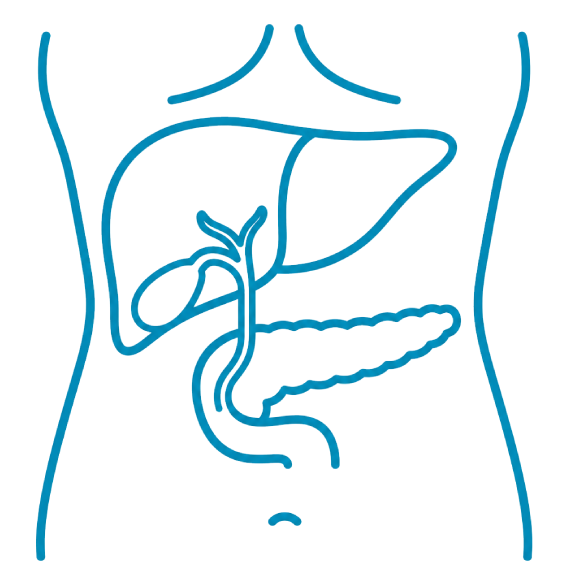
Hepatopancreatobiliary care is a specialised medical and surgical field focused on the liver, pancreas, gallbladder, and bile ducts. The liver produces bile, which the gallbladder stores and the bile ducts transport into the small intestine. The pancreas releases digestive enzymes and insulin. These organs lie close together and share drainage pathways, so disease in one often affects the others. Complex HPB conditions need specialised care that combines medical assessment, imaging review and, when needed, surgical evaluation.
Conditions We Treat
Liver Conditions
Liver cysts, including simple and hydatid cysts
Benign lesions such as haemangioma, focal nodular hyperplasia and adenoma
Liver tumours, including hepatocellular carcinoma
Liver abscesses needing drainage or specialist care (many amoebic abscesses settle with medication)
Selected metastatic disease, such as colorectal liver metastases
Other surgically manageable liver disorders
Gallbladder Conditions
Gallstones and gallbladder inflammation (cholecystitis)
Gallbladder polyps (larger or growing polyps, typically over 10 mm, may need removal)
Complicated gallstone disease, such as empyema or gallstone pancreatitis
Gallbladder tumours
Bile Duct Conditions
Common bile duct stones
Biliary obstruction and bile duct strictures
Bile duct injuries, most often related to prior gallbladder surgery
Choledochal cysts
Bile duct tumours (cholangiocarcinoma)
Pancreatic Conditions
Acute pancreatitis needing specialist management, such as severe cases with necrosis or infection
Chronic pancreatitis
Pancreatic cysts, some of which carry malignant potential and need surveillance
Pancreatic lesions and tumours, including neuroendocrine tumours
Pancreatic cancer
Symptoms That May Need HPB Specialist Evaluation
Consult a specialist if you notice any of the following signs:
Persistent upper abdominal pain
Jaundice
Unexplained weight loss
Recurrent vomiting
Persistent digestive symptoms
Fever associated with biliary disease
Abdominal swelling
Recurrent pancreatitis
Abnormal liver or pancreatic imaging findings
How Are HPB Conditions Diagnosed?
Your doctor will begin the evaluation with a clinical assessment and your detailed medical history. Blood tests include liver function tests and, if pancreatic disease is suspected, amylase and lipase. Tumour markers such as CA 19-9 or AFP may support the diagnosis but cannot confirm cancer alone. Imaging is central:
Ultrasound is often the first test, especially for gallstones.
CT scan defines tumours, blood vessel involvement and spread.
MRI/MRCP shows liver lesions and the bile and pancreatic ducts in detail.
Endoscopic investigations, such as endoscopic ultrasound and ERCP, assess and treat ductal problems and allow sampling.
Biopsy is done where clinically required. It is not always needed before surgery for a clearly resectable tumour.
Minimally Invasive HPB Care
Minimally invasive surgery uses small incisions instead of the large abdominal incision of traditional open surgery. Suitability depends on the condition, its location and complexity, and the patient’s overall health. Every case needs careful specialist planning, and conversion to open surgery is sometimes necessary for safety.
Laparoscopic HPB Surgery
Laparoscopy uses a camera and long instruments passed through small ports. It is the standard approach for gallstone disease (laparoscopic cholecystectomy) and is also used for selected liver resections, bile duct procedures and pancreatic operations such as distal pancreatectomy.
Robotic HPB Surgery
Robotic surgery is a surgeon-controlled system offering a magnified 3D view and highly precise instrument movement. It may be considered in selected patients for complex operations involving the liver, bile ducts or pancreas, where fine dissection and suturing are needed.
HPB Care for Liver Conditions
A liver specialist first determines whether a lesion is benign or malignant, using imaging and, where needed, biopsy. Many benign lesions need only monitoring. Others require treatment because of symptoms, size or risk. For liver tumour treatment, surgeons consider tumour position, the amount of healthy liver that would remain, and underlying liver disorders such as cirrhosis. Minimally invasive resection is possible in selected patients. Decisions are made through multidisciplinary discussion with radiology, oncology and other specialists.
HPB Care for Gallbladder and Bile Duct Conditions
Symptomatic gallstones are usually treated by laparoscopic gallbladder removal. Complicated diseases, including severe inflammation, bile duct stones, strictures, injuries or obstruction, need careful evaluation to relieve blockage, control infection and plan definitive treatment. Depending on the problem, this may involve endoscopic stone removal, stenting, or reconstructive surgery. Early specialist input matters, particularly for bile duct injuries.
HPB Care for Pancreatic Conditions
Pancreatic disorders range from pancreatitis to cysts, lesions and tumours. Most mild acute pancreatitis settles with supportive care, while severe cases need specialist and often intensive management. Imaging, and sometimes endoscopic ultrasound, classifies cysts to decide between surveillance and surgery. For pancreatic tumour treatment, surgery offers the only chance of cure in suitable pancreatic cancer, often combined with chemotherapy. Timely referral to a pancreatic specialist supports planning through a multidisciplinary team.
Recovery and Follow-Up After HPB Treatment
Recovery time after HPB treatment varies depending on the procedure performed. After gallbladder surgery, the patient may return to their regular routine within days to weeks. However, major surgeries involving the liver or pancreas would require the patient to rest longer.
Follow-up care includes monitoring for symptoms, caring for the wound, determining when the patient can safely resume normal activity, providing medication guidance, and offering nutritional support. Doctors will also arrange rehabilitation and long-term surveillance plans based on your diagnosis.
Why Choose Trustwell Hospitals for HPB Care?
Patients looking for hepatopancreatobiliary surgery in Bangalore should consider Trustwell, which has been in practice for over 20 years and performs more than 120 complex GI & bariatric surgeries monthly. We provide:
Gastrointestinal surgical expertise across liver, gallbladder, bile duct and pancreatic conditions
Laparoscopic surgery and robotic surgery where appropriate
Personalised treatment planning, including for complex HPB disorders
A multidisciplinary approach
Follow-up and recovery support
Book an Appointment
If you have noticed any symptoms lately or have received an abnormal scan, you can consult a hepatopancreatobiliary surgeon in Bangalore at Trustwell Hospitals for assessment and clear guidance. Book an appointment today.
FAQs
Q. What does a hepatopancreatobiliary specialist treat?
An HPB specialist treats benign and malignant conditions of the liver, gallbladder, bile ducts and pancreas, including stones, cysts, strictures, pancreatitis and tumours.
Q. What tests are used to diagnose HPB conditions?
Common tests include blood tests, liver function tests, ultrasound, CT, MRI/MRCP, endoscopic procedures, and biopsy when required.
Q. Are gallbladder and bile duct disorders part of HPB care?
Yes. Gallstones, cholecystitis, bile duct stones, strictures and injuries all fall within HPB care.
Q. When should I consult an HPB specialist?
Consult one for jaundice, persistent upper abdominal pain, unexplained weight loss, recurrent pancreatitis, or abnormal liver or pancreatic imaging. Seek urgent care if you have a fever with jaundice or severe abdominal pain.