Find a Doctor Book Online Appointment
Department of Hematology and Bone Marrow Transplant(BMT)

Department Of

Bone Marrow Transplantation

Department of Hematology and Bone Marrow Transplant(BMT) - Overview

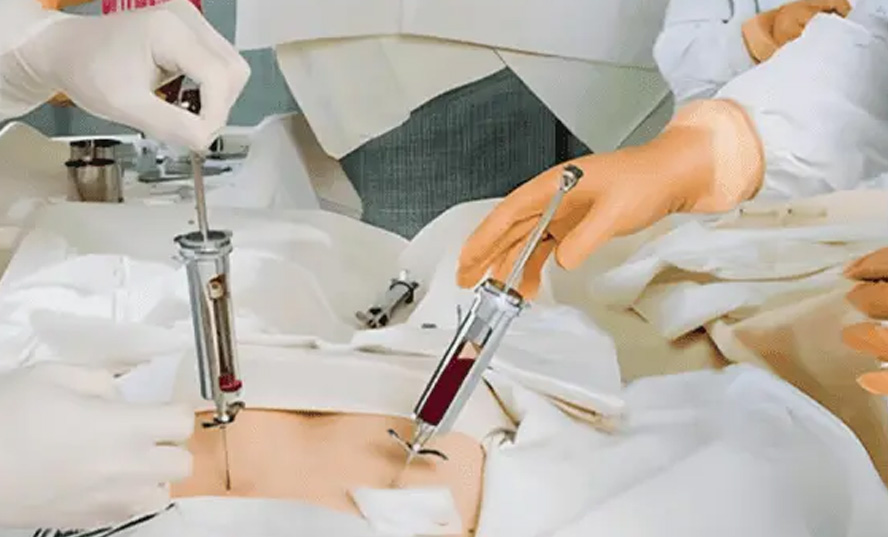
Bone Marrow Transplantation at Trustwell Hospitals The various advanced BMT services offered by Trustwell Hospitals offer a ray of hope for the healing and long-term recovery of critically ill patients suffering from complex blood-related disorders. Our multidisciplinary team, comprising experienced haematologists, medical and surgical oncologists, transplant physicians, critical care experts, and trained nursing staff, provides evidence-based treatments in a safe and compassionate environment. The modern infrastructure, strict infection control measures, and round-the-clock monitoring provided at our state-of-the-art BMT unit help ensure optimal patient outcomes. What is Bone Marrow Transplantation? Bone Marrow Transplantation, also known as hematopoietic stem cell transplantation, is the process of infusing healthy stem cells into a patient’s body to replace their diseased or damaged bone marrow. It helps produce healthy blood cells, restore immunity, and maintain normal function of the blood and lymphatic systems. The conditions for which doctors recommend BMT include:
  • Leukaemia and lymphoma
  • Aplastic anaemia
  • Thalassaemia
  • Multiple myeloma
  • Bone marrow failure syndromes
  • Genetic metabolic disorder of some kind
Transplantation aims to reconstitute a healthy blood-forming system, improve survival, and enhance long-term quality of life.
Bone Marrow Transplantation

Why Choose Department of Hematology and Bone Marrow Transplant(BMT) Department at Trustwell Hospitals?

Why Choose Trustwell Hospitals for BMT?

  • Experienced team of transplant haematologists and oncologists
  • Advanced BMT units with strict infection-control measures
  • Personalised medication programs are assigned to each patient’s needs.
  • Full multi-speciality support: ICU, cardiology, nephrology, and infectious disease experts
  • Transparent care includes compassionate support and patient-centered services.
  • Proven clinical expertise combined with a high level of safety.

Trustwell Hospitals are working to ensure that treatments, such as BMT, become more accessible, safe, and effective.

BMT Cost

The cost of Bone Marrow Transplantation would depend on the type of transplant (autologous, allogeneic, or haploidentical), the patient’s condition, the need for a donor search, the duration of the treatment, and the supportive care required. Trustwell Hospitals believes in transparency regarding treatment prices, flexibility in packages, and advisory assistance with insurance coverage, making treatment within reach of many patients and their families.

What We Treat

Types of Transplants

Trustwell Hospitals offers all major types of stem cell transplants, depending on the patient’s condition and donor availability.

  1. Autologous Transplant

This process involves collecting stem cells from a patient’s body and preserving them for reinfusion after high-dose chemotherapy. It is generally used for multiple myeloma and some lymphomas.

  1. Allogeneic Transplant

Herein, the stem cells are from a donor, usually a matched sibling, relative, or an unrelated volunteer. Allogeneic transplantation is indicated in those disease conditions where the patient’s own stem cells are unhealthy or genetically abnormal.

  1. Haploidentical Transplant

It typically involves a half-matched family donor, such as a parent or child. Recent advances in transplant medicine have made haploidentical transplants safer and more successful, opening up more donor possibilities for many patients.

  1. Cord Blood Transplant

Stem cells collected from stored umbilical cord blood are used, particularly when a fully matched donor is not available.

How We Treat

Surgical Procedure of Transplantation

BMT at Trustwell Hospitals is performed in structured phases to be both safe and effective:

  1. Pre-Transplant Evaluation

The selection will be based on detailed investigations, including blood tests, imaging, organ function tests, infection screenings, and psychological counselling.

  1. Conditioning Therapy

Patients receive chemotherapy and, in some cases radiation therapy, to eradicate diseased marrow and to prepare the recipient’s body to receive the new stem cells. It also reduces the risk of the body rejecting donor cells.

  1. Infusion of Stem Cells

Healthy stem cells are infused through a central line, similar to the way a blood transfusion is given. The cells naturally migrate to the bone marrow and start producing new blood cells.

  1. Engraftment & Monitoring

The medical team then closely monitors blood counts, organ health, and any signs of infection over the coming weeks. Engraftment generally occurs within 10-21 days.

  1. Recovery & Follow-Up

After stabilisation, the patient will be followed up with visits for immune recovery, medication adjustment, and long-term follow-up.

Technology

Supportive Care & Infrastructure

Trustwell Hospitals has dedicated facilities to support safe and successful transplantation:

  • Specialised BMT units with HEPA-filtered rooms to minimise infection risk
  • Round-the-clock ICU backup
  • A transplant nursing staff that is specially trained for post-transplant care
  • On-site diagnostics, blood bank services, and infection control teams
  • Nutritional counselling and physiotherapy support
  • Psychological and emotional support for patients and families

These facilities ensure a seamless, safe, and compassionate experience in every phase of the transplant journey.

Risks, Complications & Safety

Like with any major medical procedure, BMT carries risks. These may include:

  • Infections
  • Graft-versus-host disease in allogeneic transplants
  • Organ complications
  • Delayed immune recovery
  • Anaemia or bleeding problems

Trusted hospitals follow strict protocols for early intervention, continuous monitoring, and personalised treatment, thereby reducing risk factors and enhancing long-term outcomes.

Meet Our Experts

Expert Hands, Caring Hearts – Meet Our Doctor!

Frequently Asked Questions - Department of Hematology and Bone Marrow Transplant(BMT)

What will qualify a person for bone marrow transplantation?

The criteria for eligibility depend on the diagnosis, the overall organ function, infection status, age, and the ability to tolerate conditioning therapy.

How long does the stay in the hospital last?

The length of stay for most patients is 3 to 4 weeks, depending on the patient's recovery and engraftment progress.

What is the recovery time?

Complete recovery may take 6–12 months, since the immune system gradually rebuilds itself.

What are the side effects?

Common side effects include fatigue, nausea, infections, mouth sores, low blood counts, and, in some cases, GVHD.

How to find a donor if needed?

Donors may be sought through family members, national/international donor registries, or cord blood banks.

What follow-up care is required?

Long-term recovery involves regular checkups, blood tests to monitor infection, vaccination schedules, nutritional advice, and medication management.
Book an Appointment