A New Milestone: Successfully accredited with NABH 6th Edition – Redefining standards in healthcare quality and patient safety | Live vitals. Real-time data. Faster care. Trustwell Hospitals unveils Karnataka’s first 5G SMART ambulance |
Find a Doctor Book Online Appointment
Diet After Knee Replacement Surgery

Diet After Knee Replacement Surgery

Diet After Knee Replacement Surgery: Best Foods for Faster Healing and Stronger Recovery

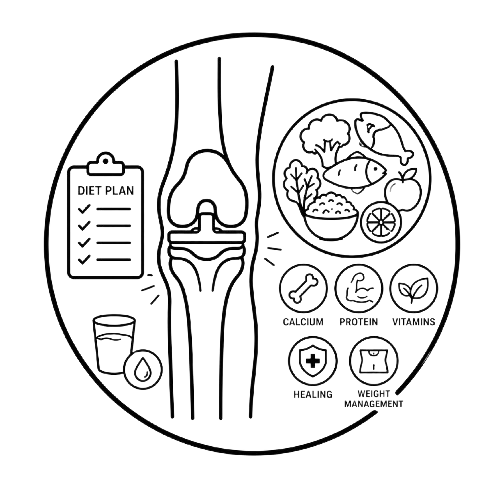
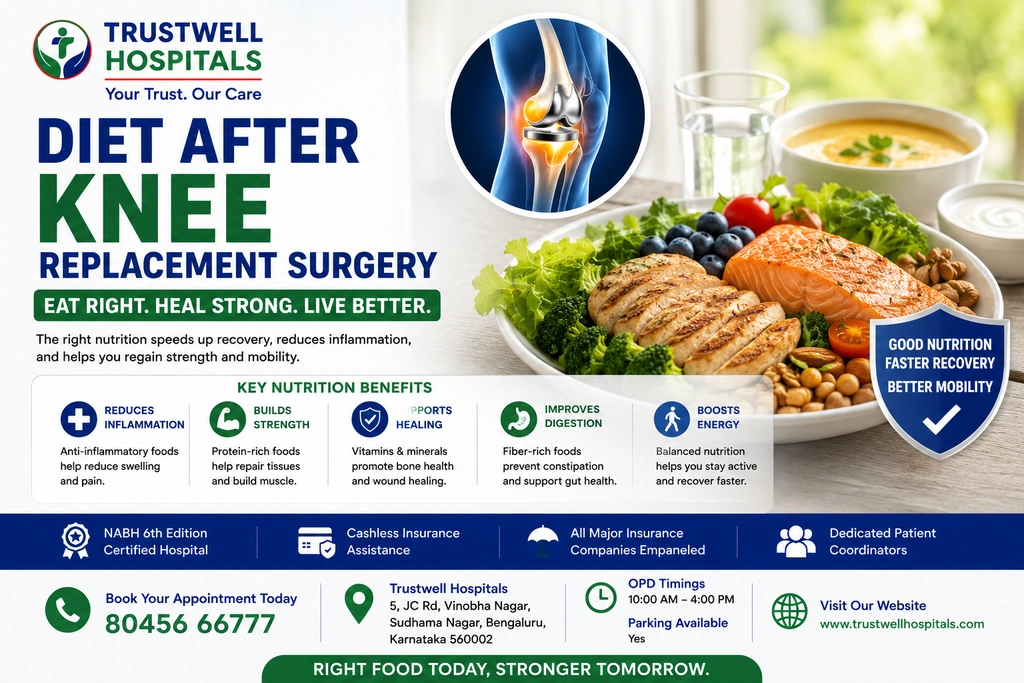
A healthy diet plays an important role in recovery after knee replacement surgery. The right balance of protein, vitamins, minerals, fibre, healthy fats, and fluids supports wound healing, muscle recovery, bone health, and overall rehabilitation. Good nutrition may also help maintain energy levels, reduce constipation associated with pain medications, and support a gradual return to everyday activities. There is no single “knee replacement diet,” but eating a variety of nutrient-rich foods while following your doctor’s and dietitian’s recommendations can help support recovery. Individual dietary needs may vary depending on age, diabetes, kidney disease, food allergies, and other medical conditions.

Key Nutrients for Recovery After Knee Replacement

Nutrient Why It Matters Good Food Sources
Protein Supports tissue repair and muscle recovery Eggs, fish, chicken, paneer, dals, soy, Greek yogurt
Vitamin C Helps collagen formation and wound healing Oranges, guava, kiwi, amla, bell peppers
Calcium Supports bone health Milk, curd, paneer, ragi, sesame seeds
Vitamin D Helps calcium absorption Sunlight, fortified milk, eggs, fatty fish
Iron Supports healthy blood production Spinach, beans, lentils, lean meat
Fibre Helps prevent constipation Fruits, vegetables, oats, whole grains
Healthy Fats Support overall healing Nuts, seeds, olive oil, fatty fish
Water Maintains hydration and recovery Water, soups, coconut water

Why Is Diet Important After Knee Replacement Surgery?

diet after knee replacement surgery

Your body requires additional nutrients after surgery to repair tissues, strengthen muscles, support bone healing, and rebuild energy reserves. Eating a balanced diet also helps patients participate more comfortably in physiotherapy and rehabilitation. Good nutrition may help:
  • Support wound healing
  • Maintain muscle strength
  • Promote bone health
  • Improve energy levels
  • Reduce the risk of constipation
  • Support immune function
  • Maintain a healthy body weight
  • Enhance overall recovery

Best Foods to Eat After Knee Replacement Surgery

Choosing nutrient-rich foods during recovery provides your body with the building blocks needed for healing and rehabilitation.

Protein-Rich Foods

Protein is one of the most important nutrients after surgery because it helps repair tissues and supports muscle recovery. Adequate protein intake also helps maintain strength while participating in physiotherapy. Good protein sources include:
  • Eggs
  • Skinless chicken
  • Fish
  • Paneer
  • Greek yogurt
  • Milk
  • Dal and lentils
  • Chickpeas
  • Kidney beans
  • Soybeans and tofu
Aim to include a source of protein with each main meal unless advised otherwise by your healthcare provider.

Vitamin C-Rich Foods

Vitamin C plays an important role in collagen production, which supports wound healing and tissue repair after surgery. Healthy choices include:
  • Oranges
  • Sweet lime
  • Guava
  • Kiwi
  • Strawberries
  • Amla (Indian gooseberry)
  • Bell peppers
  • Tomatoes
  • Broccoli
Fresh fruits and vegetables provide additional antioxidants that support overall health during recovery.

Calcium and Vitamin D

Strong bones are important for long-term joint health. Calcium and vitamin D work together to maintain bone strength and support normal bone metabolism. Calcium-rich foods include:
  • Milk
  • Curd
  • Paneer
  • Cheese (in moderation)
  • Ragi
  • Sesame seeds
  • Almonds
  • Fortified dairy products
Vitamin D sources include:
  • Safe sunlight exposure
  • Egg yolk
  • Fatty fish
  • Fortified milk
  • Fortified cereals
Some patients may require vitamin D supplements if recommended by their doctor.

Iron-Rich Foods

Iron helps your body produce healthy red blood cells, which transport oxygen to healing tissues. This nutrient becomes particularly important for patients recovering from surgery or those with lower haemoglobin levels. Good sources include:
  • Spinach
  • Lentils
  • Rajma
  • Black chana
  • Lean meat
  • Chicken
  • Pumpkin seeds
  • Beetroot
  • Iron-fortified cereals
Eating vitamin C-rich foods alongside plant-based iron sources may help improve iron absorption.

High-Fibre Foods

Pain medications, reduced activity, and changes in routine may increase the risk of constipation after surgery. Fibre helps support healthy digestion and regular bowel movements. Include foods such as:
  • Oats
  • Brown rice
  • Whole wheat
  • Apples
  • Pears
  • Bananas
  • Leafy green vegetables
  • Carrots
  • Beans
  • Flaxseeds
Increasing fibre intake gradually while drinking enough water helps support digestive health.

Healthy Fats

Healthy fats provide energy and support normal body functions during recovery. Replacing saturated fats with healthier options can contribute to a balanced diet. Nutritious choices include:
  • Walnuts
  • Almonds
  • Pistachios
  • Chia seeds
  • Flaxseeds
  • Olive oil
  • Avocados
  • Fatty fish such as salmon and sardines
These foods can be included as part of a balanced meal plan in appropriate portions.

Foods to Limit During Recovery

While no food needs to be completely avoided unless advised by your doctor, limiting certain foods may support a healthier recovery and help maintain an appropriate body weight.

Highly Processed Foods

Packaged snacks, fast food, and processed meals are often high in salt, unhealthy fats, and calories while providing fewer essential nutrients for healing. Examples include:
  • Chips
  • Instant noodles
  • Frozen fried foods
  • Processed meats
  • Packaged bakery products

Foods High in Added Sugar

Excess sugar may contribute to weight gain and make blood sugar control more difficult, especially for patients with diabetes. Try to limit:
  • Soft drinks
  • Sweets and candies
  • Cakes and pastries
  • Sweetened breakfast cereals
  • Sugary desserts

Excess Salt

High sodium intake may contribute to fluid retention and increased blood pressure in some individuals. Reduce foods such as:
  • Pickles
  • Salted snacks
  • Processed soups
  • Ready-to-eat meals
  • Processed sauces

Alcohol

Alcohol may interfere with certain medications, delay healing, increase the risk of falls, and contribute to dehydration during recovery. Follow your doctor’s advice regarding alcohol consumption after surgery.

Stay Hydrated During Recovery

Adequate hydration supports circulation, digestion, joint health, and overall recovery. Drinking enough fluids may also help reduce constipation, particularly if you are taking pain medications. Good hydration choices include:
  • Water
  • Coconut water
  • Fresh buttermilk
  • Lemon water (without excess sugar)
  • Clear soups
  • Milk
  • Herbal teas (if appropriate)
Fluid requirements vary according to age, medical conditions, medications, and activity levels.

Do You Need Nutritional Supplements?

Most patients can obtain the nutrients they need through a balanced diet. However, some individuals may require supplements if blood tests show deficiencies or if dietary intake is inadequate. Your doctor may recommend supplements such as:
  • Protein supplements
  • Vitamin D
  • Calcium
  • Iron
  • Vitamin B12
  • Multivitamins (when clinically indicated)
Do not start supplements without medical advice, as excessive intake of certain vitamins and minerals may not be beneficial.

Sample Indian Meal Plan After Knee Replacement Surgery

The following example demonstrates how a balanced day’s meals can provide protein, vitamins, minerals, fibre, and healthy fats to support recovery.
Meal Healthy Food Choices
Early Morning Warm water, soaked almonds, or fresh fruit
Breakfast Vegetable oats, idli with sambar, or vegetable omelette with whole wheat toast
Mid-Morning Snack Guava, orange, apple, or Greek yogurt
Lunch Brown rice or chapati, dal, grilled chicken or paneer, vegetables, curd
Evening Snack Roasted chana, sprouts, buttermilk, or fruit
Dinner Chapati with dal, grilled fish or tofu, mixed vegetables, salad
Bedtime A glass of warm milk if appropriate
Individual meal plans should always consider personal preferences, medical conditions, and dietary restrictions.

Recovery Tips Along With a Healthy Diet

Good nutrition works best when combined with healthy lifestyle habits that support rehabilitation after knee replacement surgery.

✔ Eat Small, Balanced Meals

Smaller meals throughout the day may be easier to tolerate during the early stages of recovery while still providing adequate nutrition.

✔ Include Protein in Every Main Meal

Adding protein to breakfast, lunch, and dinner supports muscle maintenance and tissue healing throughout rehabilitation.

✔ Continue Your Physiotherapy Programme

A nutritious diet and regular rehabilitation complement each other by supporting muscle recovery and improving strength.

✔ Maintain a Healthy Body Weight

Achieving and maintaining a healthy weight reduces stress on the new knee joint and may improve long-term outcomes.

✔ Get Enough Sleep

Quality sleep supports tissue repair, immune function, and overall recovery after surgery.

When Should You Speak With Your Doctor or Dietitian?

Seek medical advice if you experience:
  • Poor appetite lasting several days
  • Persistent nausea or vomiting
  • Difficulty swallowing
  • Unexplained weight loss
  • Severe constipation despite dietary changes
  • Signs of dehydration
  • Difficulty managing diabetes after surgery
  • Questions about supplements or special diets

Support Your Recovery With the Right Nutrition

A balanced diet is an important part of recovering from knee replacement surgery. Eating nutrient-rich foods, staying hydrated, following your rehabilitation programme, and attending regular follow-up appointments can help support healing and improve overall recovery. Patients who wish to learn more about rehabilitation may also find information on Knee Replacement Recovery Timeline, Knee Replacement Symptoms, and Robotic vs Traditional Knee Replacement helpful while planning their recovery.

Why Choose Trustwell Hospitals for Knee Replacement Surgery?

Recovery after knee replacement involves more than successful surgery. A combination of experienced orthopaedic surgeons, personalised nutritional guidance, structured physiotherapy, and regular follow-up care helps patients recover safely and regain confidence in their mobility. Trustwell Hospitals provides comprehensive support throughout every stage of recovery.

10+ Years of Orthopaedic Experience

With over 10+ years of orthopaedic experience, the department manages advanced knee arthritis, complex joint disorders, robotic joint replacement, revision surgery, and post-operative rehabilitation using evidence-based treatment protocols.

Thousands of Orthopaedic Patients Treated

The orthopaedic team has successfully treated thousands of patients with knee, hip, shoulder, spine, fracture, and sports-related conditions through personalised treatment plans.

90%+ Patient Satisfaction

More than 90% patient satisfaction reflects the department’s commitment to compassionate care, transparent communication, and comprehensive recovery support.

Comprehensive Recovery and Rehabilitation Guidance

Recovery extends beyond the operating room. Patients receive guidance on physiotherapy, activity progression, nutrition, mobility, pain management, and long-term joint care to support a smoother recovery.

Expertise in Robotic and Conventional Knee Replacement

Trustwell Hospitals offers both robotic-assisted and conventional knee replacement surgery, enabling surgeons to recommend the most appropriate treatment based on each patient’s clinical condition and recovery goals.

Hundreds of Joint Replacement Procedures Performed

The orthopaedic department has performed hundreds of joint replacement procedures, including total knee replacement, partial knee replacement, robotic-assisted surgery, and revision joint replacement.

Cashless Insurance Assistance

Dedicated patient coordinators assist with insurance verification, pre-authorisation, documentation, cashless approvals, reimbursement guidance, and discharge planning.

NABH 6th Edition Certified Hospital

Trustwell Hospitals is NABH 6th Edition Certified and maintains a 4.3 Google Rating, reflecting its commitment to recognised standards of patient safety and quality healthcare. Call 8045666777

Frequently Asked Questions About Diet After Knee Replacement Surgery

What is the best diet after knee replacement surgery?

A balanced diet rich in protein, fruits, vegetables, whole grains, healthy fats, calcium, vitamin D, and adequate fluids helps support healing and recovery after surgery.

How much protein should I eat during recovery?

Protein needs vary depending on age, body weight, overall health, and medical conditions. Your doctor or dietitian can recommend the appropriate amount based on your individual recovery needs.

Which fruits are good after knee replacement surgery?

Vitamin C-rich fruits such as oranges, guava, kiwi, strawberries, and amla support collagen formation and wound healing. Apples, bananas, and pears also provide fibre that supports healthy digestion.

Can I drink milk after knee replacement surgery?

Yes. Milk, curd, and paneer are good sources of calcium and protein for most patients unless dietary restrictions or medical conditions require otherwise.

Should I avoid spicy food after surgery?

Spicy food does not directly affect knee healing. However, if it causes digestive discomfort, nausea, or acidity while taking medications, reducing spicy foods during recovery may be helpful.

Is it normal to lose appetite after knee replacement?

Some patients experience a temporary reduction in appetite after surgery because of medications or reduced activity. Eating small, nutrient-rich meals and staying hydrated often helps. Persistent loss of appetite should be discussed with your doctor.

Do I need protein supplements after knee replacement surgery?

Not everyone requires supplements. Many patients meet their nutritional needs through a balanced diet. Supplements should only be taken if recommended by your doctor or dietitian.

Does maintaining a healthy weight help my new knee?

Yes. Maintaining a healthy body weight reduces stress on the knee implant, supports rehabilitation, and contributes to long-term joint function.
Book an Appointment