A New Milestone: Successfully accredited with NABH 6th Edition – Redefining standards in healthcare quality and patient safety | Live vitals. Real-time data. Faster care. Trustwell Hospitals unveils Karnataka’s first 5G SMART ambulance |
Find a Doctor Book Online Appointment
Kyphosis Treatment in Bangalore

Kyphosis Treatment in Bangalore

Kyphosis Treatment in Bangalore

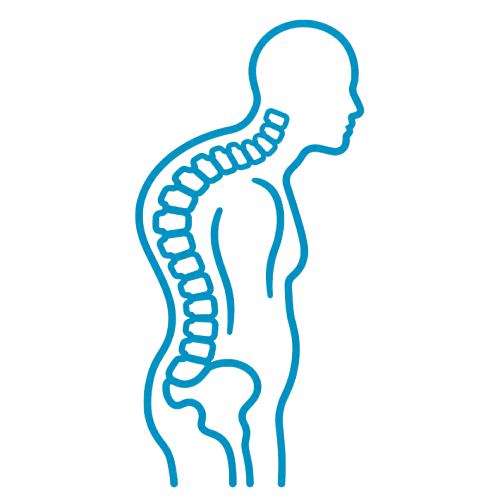
Kyphosis is a forward curve of the thoracic spine that can cause a rounded upper back, stiffness, pain, and postural changes. The underlying causes may include spinal problems, fractures, ageing, and other factors. Treatment depends on factors such as the root cause, rate of progression, and any associated symptoms. Doctors may treat this abnormal forward curvature of the spine with observation, physiotherapy, bracing, and surgery when necessary. Trustwell Hospitals offers specialised assessment and kyphosis treatment in Bangalore, tailored to individual patient needs and supervised by certified spine doctors.

How Is Kyphosis Treated?

There is no single definitive approach to treating kyphosis. The physician considers the cause, the extent and progression of the curve, the patient’s age, and other factors. Several methods of spinal kyphosis treatment include observation, physiotherapy, medication, wearing braces, and surgery. X-rays, MRIs, and CT scans may be needed to assess spinal condition. Kyphosis treatment in Bangalore can vary depending on symptom management, progression management where possible, and spinal function.

Non-Surgical Treatment of Kyphosis

Observation and Monitoring

In some cases, a mild or stable curve may not need immediate treatment. Specialist observation and monitoring allow assessment of the curve’s condition, symptoms, and progress.

Physiotherapy for Kyphosis

Kyphosis physiotherapy may include posture, flexibility, mobility, back/core strengthening, and functional rehabilitation. Suitable exercises for kyphosis can help with posture and symptoms, although physiotherapy does not correct every structural spinal deformity. It remains an important part of non-surgical kyphosis treatment.

Bracing for Kyphosis

Bracing may be recommended for some growing children and adolescents when the curve is likely to worsen. It can be considered in conditions such as Scheuermann’s kyphosis when clinically appropriate. Brace recommendation, use, and review during the growth period require specialist consultation.

Pain and Symptom Management

Pain management depends on the underlying cause and may involve medication, activity modification, physiotherapy, and other modalities. New or aggravating symptoms need to be evaluated by a specialist.

When Is Surgery Recommended for Kyphosis?

  • Severe or Progressive Deformity: Severe cases or progressive deformity may require kyphosis surgery.
  • Persistent Pain: Pain that doesn’t respond to nonsurgical treatment may require kyphosis surgery.
  • Spinal Imbalance: Spinal imbalance may require surgery.
  • Neurological Involvement: Diseases that cause pressure or neurologic involvement of the spinal cord or nerves may require surgery.
  • Functional Limitation: Surgery may be recommended when daily activities are impaired.
  • Congenital Deformity: A congenital condition that progresses may eventually require surgery.
  • Individual Assessment: A kyphosis surgeon in Bangalore considers many factors before recommending kyphosis surgery.

Kyphosis Surgery Procedures

Spinal Fusion Surgery for Kyphosis

Spinal fusion for kyphosis involves joining selected vertebrae to stabilise the spine and maintain the planned correction. Bone graft and instrumentation may be used when required. Kyphosis fusion surgery is planned according to the location and severity of the deformity, while spinal fusion surgery may help prevent further progression in suitable cases.

Kyphosis Deformity Correction Surgery

This surgery attempts to correct excessive forward curvature and to balance the spine. The type of surgical intervention varies depending on the severity of the problem, its flexibility, and the patient’s general condition.

Spinal Instrumentation With Rods and Screws

Rods and screws may help maintain the spine in a corrected position. These devices are widely used with fusion when stabilisation is needed, especially in complex spinal deformity surgery.

Osteotomy for Severe Kyphotic Deformity

Osteotomy is employed in select patients who have a severe or rigid spinal curvature. It refers to cutting or reshaping bones and can be part of complex kyphosis correction surgery.

How Is Kyphosis Surgery Performed?

  • Pre-surgical Planning: Before the operation, medical personnel must conduct adequate tests and examinations to determine the appropriate course of action.
  • Anaesthesia: The surgery is done under general anaesthesia.
  • Surgical Exposure: The surgical access allows the surgeon to expose the diseased spinal segments to correct the deformity.
  • Deformity Correction: The surgeon gradually straightens the deformed part of the spine according to the surgical plan.
  • Instrumentation: Screws and rods can be inserted into certain vertebrae to keep the spine straightened in the new position.
  • Fusion: In some cases, surgeons perform bone grafting so the treated vertebrae fuse into a single stable segment.
  • Monitoring During Surgery: Depending on the type of surgery, the spinal cord and associated nerves may be monitored intraoperatively to assess how neural function is affected.
  • Postoperative Care: After surgical correction of kyphosis, the patient will be evaluated based on pain levels, nerve status, and mobility.

What Happens After Kyphosis Surgery?

  • Postoperative Monitoring: The patient’s condition is monitored closely immediately after surgery.
  • Pain Management: The team uses appropriate methods to manage postoperative pain.
  • Early Mobilisation: Walking can begin as soon as the medical team deems it safe.
  • Physiotherapy: The team will design an exercise program to increase flexibility and strength.
  • Wound Care: The surgical wound will be cared for during recovery.
  • Activity Progression: You will gradually return to normal activities based on your progress and under the surgeon’s instructions.
  • Follow-up: This allows the surgeon to assess spinal healing and overall recovery.

Recovery After Kyphosis Surgery

Recovery varies from one patient to another. What happens next largely depends on the procedure, how extensive the correction was, the patient’s age and health, and whether the surgeon performed spinal fusion. Patients progress through rehabilitation from assisted mobility to independence.

Rehabilitation After Kyphosis Treatment

Depending on the patient’s condition and surgical procedure, a structured rehabilitation program may include:
  • Targeted physiotherapy
  • Gentle, progressive strength training
  • Education and physical adjustments to ensure proper body alignment
  • Carefully controlled stretches & movements focused on restoring natural flexibility and full range of motion
  • A medically supervised approach to returning to physical activity

Benefits of Kyphosis Correction Surgery

In many patients, kyphosis correction surgery can help achieve spinal alignment, prevent deformity from progressing, improve spinal balance, and lead to functional improvement. It can also stabilise the affected spinal segments. Outcomes vary according to the underlying condition, severity, and individual patient factors.

Risks and Possible Complications of Kyphosis Surgery

Kyphosis surgery, like any other spinal surgery, has certain risks that include:
  • Infection: This risk may occur at the surgery site.
  • Bleeding: Blood loss may arise during or after the surgery.
  • Nerve Damage: There is always the risk of damaging the spine or nerves.
  • Implant-related complications: Rods, screws or any implant used in the surgery may fail or loosen.
  • Non-union: The fused bones may not heal together as planned.
  • Anaesthesia-Related Complications: Anaesthesia can rarely lead to complications, depending on the patient’s health and medicines.
  • Need for Further Surgery in Some Cases: Further surgery may be needed if healing is inadequate or a complication occurs.

Kyphosis Treatment in Children and Adolescents

Kyphosis treatment for children involves assessing the child’s growth rate and the underlying cause. Postural kyphosis can be addressed through posture correction, physiotherapy, and sometimes observation (if the case is not severe). Structural kyphosis, such as Scheuermann’s kyphosis, may require further evaluation and bracing, if needed. The specialist will consider several factors, including the rate of progression and whether bracing or surgical intervention is appropriate.

Kyphosis Treatment in Adults

Adult kyphosis is often caused by spinal degeneration or osteoporosis-induced fractures, leading to back pain and limited mobility. Depending on the severity of the curve, treatment may include:
  • Drug treatment, including medications to alleviate pain, strengthen bones, and reduce inflammation
  • Physiotherapy exercises to mobilise the spine, increase flexibility, correct posture, and strengthen muscles
  • Kyphosis surgery for adults can become an option for certain patients if other forms of treatment prove ineffective or in case of progressive or severe deformities of the spine.

Why Choose Trustwell Hospitals for Kyphosis Treatment in Bangalore?

Trustwell Hospitals brings together spine specialists, modern diagnostic facilities and surgical care for patients with kyphosis and spinal deformities.
  • Experienced Spine Team: Specialists review the patient’s symptoms, medical history, and spinal curve before determining treatment.
  • Spinal Deformity Care: The medical team provides individualised care for every patient.
  • Deformity Correction Surgery: If needed, surgery may correct the spinal curve and improve spinal stability.
  • Modern Technology: Computer navigation and 3D imaging are available when they add value.
  • Minimally Invasive Techniques: Minimally invasive options can help patients recover and minimise discomfort.
  • Imaging Facilities: Advanced imaging centres help doctors diagnose the patient’s spinal curvature and plan treatment.
  • Rehabilitation Program: The team continues physiotherapy and follow-up after treatment to support the patient’s full recovery.
  • Specialised Care: As a kyphosis hospital in Bangalore, Trustwell Hospitals provides evaluation, treatment planning, surgery when required and continued care.

Book an Appointment Today!

If you have a visible rounded upper back, suffer from back pain or stiffness, or suspect a spinal abnormality, consider visiting a spine specialist.

Frequently Asked Questions About Kyphosis Treatment

Q. Can kyphosis be treated without surgery?

Yes. Mild or stable kyphosis may be managed with observation, physiotherapy, posture training, pain management, or bracing in selected growing patients.

Q. When does kyphosis require surgery?

It is not always necessary to perform surgery for patients with kyphosis. If other treatments fail, surgery may be considered when the spinal curvature becomes severe and affects movement, balance, and the nervous system.

Q. Can physiotherapy improve kyphosis?

Physiotherapy can help with posture correction, muscle strengthening, and flexibility. It may also help alleviate pain and stiffness. Still, it will not work on every form of structural kyphosis.

Q. What is kyphosis correction surgery?

Kyphosis correction surgery reduces an excessive forward curve of the spine and improves spinal alignment. Depending on the condition, the surgeon may also stabilise the spine during the procedure.

Q. Do children with kyphosis need surgery?

Sometimes. Surgery would only be needed in a few cases where the spinal curve is very pronounced, or the patient suffers from some major issues despite other treatments.
Book an Appointment