Scoliosis Treatment in Bangalore
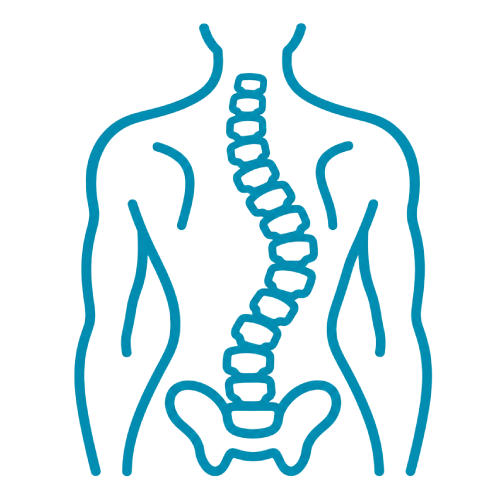
Scoliosis treatment in Bangalore focuses on managing an abnormal spinal curvature that curves the spine sideways, sometimes forming a C-shaped or S-shaped spine. Treatment depends on the curve’s severity, progression, age, skeletal maturity and symptoms.
Depending on the clinical findings, doctors may suggest observation, bracing, rehabilitation or surgery. At Trustwell Hospitals, treatment planning is based on individual assessment and may include non-surgical care, spinal deformity correction and rehabilitation.
How Is Scoliosis Treated?
Scoliosis treatment is individualised based on the curve’s severity and progression, the patient’s age, and skeletal maturity. Not every patient requires surgery.
Depending on the condition, doctors may suggest monitoring, bracing or rehabilitation, while selected patients may be considered for scoliosis correction through surgery. Doctors determine the appropriate approach after clinical assessment and relevant imaging.
Non-Surgical Treatment for Scoliosis
Here are some non-surgical treatments for scoliosis recommended by doctors:
Observation and Regular Monitoring
For mild or stable curves, doctors may suggest non-surgical scoliosis treatment with periodic clinical assessments. Scoliosis monitoring helps the treating team identify whether the curve is changing over time. Imaging may be advised when clinically required, particularly when progression needs assessment.
Scoliosis Bracing
Scoliosis brace treatment may be considered for selected growing children and adolescents when a spinal curve may progress. Clinicians select a scoliosis brace based on factors such as curve pattern and growth stage.
A brace for scoliosis is generally intended to reduce the risk of further progression rather than guarantee permanent structural correction. Regular follow-up is important during treatment.
Physiotherapy and Rehabilitation
Scoliosis physiotherapy may focus on mobility, flexibility, muscle strength, posture and functional movement. Scoliosis rehabilitation can also support pain management and help with improving everyday function.
Physiotherapy for scoliosis does not necessarily correct abnormal spinal curvature permanently, so its role depends on the individual condition and treatment plan.
When Is Scoliosis Surgery Recommended?
Scoliosis surgery may be discussed when a spinal curve is severe or continues to progress, or when there is significant spinal imbalance or functional limitation. In selected adults, pain or neurological symptoms may also be considered. Surgery may be discussed when appropriate non-surgical management has not adequately addressed the clinical problem.
A scoliosis surgeon in Bangalore can assess whether surgery is appropriate and explain the available options. Consider Scoliosis Surgery in Bangalore only after a specialist evaluation, not as a standard treatment for every curve.
Scoliosis Surgery Procedures
Here are procedures for scoliosis recommended by doctors:
Spinal Fusion Surgery for Scoliosis
Spinal fusion surgery for scoliosis aims to correct and stabilise selected portions of the spine. The planned vertebrae are fused, while implants may help maintain alignment during healing. Scoliosis fusion surgery may help prevent further progression in selected cases. Spinal fusion is planned based on factors such as the location, severity, and characteristics of the curve.
Scoliosis Deformity Correction Surgery
Scoliosis deformity correction surgery focuses on realigning and stabilising the spine where clinically required. Spine deformity correction is planned according to the severity, location and flexibility of the deformity. Scoliosis correction surgery can involve different approaches depending on the individual spinal anatomy and surgical objectives.
Spinal Instrumentation With Rods and Screws
Rods and screws for scoliosis can provide internal support and help maintain spinal alignment during and after correction. Spinal instrumentation may be used with fusion where appropriate to stabilise the corrected spinal segments. The exact scoliosis correction procedure depends on the curve and the surgical plan.
Growth-Friendly Surgery for Early-Onset Scoliosis
For younger children with significant progressive scoliosis, early onset scoliosis treatment may sometimes involve growth-friendly spinal implants designed to control the curve while allowing continued spinal growth.
Scoliosis surgery for children is considered only in selected cases after specialist evaluation. Specific pediatric scoliosis surgery options depend on the child’s age, growth, curve characteristics and progression, and availability should be confirmed with the doctors.
How Is Scoliosis Surgery Performed?
- Preoperative planning based on clinical findings
- General anaesthesia before the surgical procedure
- Surgical access to the spine
- Correction of the spinal deformity
- Placement of appropriate spinal implants
- Spinal fusion, where clinically indicated
- Intraoperative monitoring when available and verified
- Closure followed by postoperative care
What Happens After Scoliosis Surgery?
- Immediate monitoring during scoliosis surgery recovery
- Pain management according to individual needs
- Early mobilisation as clinically appropriate
- Wound care during hospital recovery
- Physiotherapy to support mobility and function
- Gradual increase in activity levels
- Follow-up imaging when clinically required
Recovery After Scoliosis Surgery
Scoliosis surgery recovery varies by procedure, age, overall health, and individual healing.
- Hospital recovery with appropriate postoperative care
- Gradual progression of mobility and movement
- Gradual return to routine activities
- Return to school or work gradually
- Lifting and activity restrictions as advised
- Follow-up visits to monitor recovery
- Recovery varies between individual patients
Rehabilitation After Scoliosis Treatment
Here are some pointers to consider for rehabilitation after scoliosis surgery.
- Scoliosis rehabilitation with physiotherapy support
- Mobility training to improve functional movement
- Core strengthening when clinically appropriate
- Posture management during rehabilitation
- Gradual activity progression based on recovery
- Functional recovery with individualised rehabilitation goals
Benefits of Scoliosis Surgery
- Preventing further progression in selected cases
- Improving spinal alignment where appropriate
- Improving spinal balance and stability
- Reducing spinal deformity where indicated
- Improving function in appropriate patients
Risks and Possible Complications of Scoliosis Surgery
- Infection following surgery
- Bleeding during or after surgery
- Nerve injury as a possible complication
- Implant-related complications during recovery
- Non-union affecting spinal fusion
- Anaesthesia-related risks during the procedure
- Need for additional surgery in selected cases
Scoliosis Treatment for Children and Adolescents
Scoliosis treatment for children takes growth and skeletal maturity into account, along with the risk of curve progression. Depending on the clinical findings, doctors may suggest monitoring, bracing, or rehabilitation, while adolescent scoliosis treatment may include surgery for selected progressive or severe curves.
Pediatric scoliosis treatment therefore varies between patients and is planned according to age, growth, curve characteristics and overall condition.
Adult Scoliosis Treatment
Adult scoliosis treatment may involve monitoring, physiotherapy and rehabilitation as part of non-surgical management, depending on the individual condition. Degenerative scoliosis treatment may address pain, functional limitations or nerve compression where present. Adult scoliosis surgery may be considered for selected patients with significant deformity, progression or nerve compression following specialist assessment.
Why Choose Trustwell Hospitals for Scoliosis Treatment in Bangalore?
Trustwell Hospitals brings together several services to help doctors evaluate each patient’s condition and discuss treatment options based on age, spinal curve, symptoms, and overall clinical findings.
- Spine and orthopaedic specialists can assess scoliosis and spinal alignment based on individual clinical findings.
- Complex spinal deformity evaluation helps assess the severity, location and characteristics of the spinal curve.
- Imaging support can help doctors evaluate spinal alignment and monitor changes when clinically required.
- Surgical facilities support selected scoliosis correction and spinal deformity procedures when surgery is considered appropriate.
- Non-operative treatment options may be discussed based on the patient’s condition and treatment requirements.
- Rehabilitation support includes physiotherapy and mobility-focused care during appropriate stages of recovery.
- Multidisciplinary care allows relevant specialists to contribute to assessment and treatment planning when required.
- Personalised treatment planning considers factors such as age, skeletal maturity, curve characteristics and symptoms.
- Individualised follow-up helps doctors monitor recovery, functional progress and changes in the spinal condition.
- Integrated care planning can help coordinate evaluation, treatment and rehabilitation according to individual clinical needs.
***Book an Appointment!***
Frequently Asked Questions About Scoliosis Treatment
Can scoliosis be treated without surgery?
Ans. Yes. Depending on the curve and the patient’s age and growth status, doctors may recommend observation, bracing or rehabilitation. Surgery is reserved for selected cases.
When is surgery needed for scoliosis?
Ans. Surgery may be considered for severe or progressive curves and selected cases involving significant deformity, functional limitations or neurological problems. The decision requires specialist assessment.
What surgery is commonly performed for scoliosis?
Ans. Spinal fusion with instrumentation is a commonly used surgical approach for selected scoliosis cases, although the procedure depends on the curve and individual clinical findings.
How long does recovery take after scoliosis surgery?
Ans. Recovery differs between patients and procedures. Hospital recovery is followed by gradual activity progression and rehabilitation, with return to school, work or exercise guided by the treating team.
Which specialist treats scoliosis?
Ans. A spine specialist or an orthopaedic specialist with expertise in spinal deformities may evaluate scoliosis. Children may also need a paediatric orthopaedic assessment, depending on their age and condition.


 Neuro Sciences
 Gastro Sciences
 Kidney Diseases
 Orthopedics
 Transplantation
 ENT and Head-Neck Surgery
 Advanced Trauma Center
 Cardiology
 Interventional Pulmonology
 Hematology and Bone Marrow Transplant(BMT)
 Anesthesia
 Critical Care Excellence, Comprehensive Intensive Care Services in Bangalore
 Dental Surgery and Oral Implants
 Dermatology and Cosmetic Surgery
 Endocrinology and Diabetology
 Facial Plastic and Reconstructive Surgery
 Family Medicine
 Hepatopancreatobiliary Surgery
 Internal Medicine
 Microbiology
 Obstetrics and Gynaecology
 Oncology
 Ophthalmology
 Oral and Maxillofacial Surgery
 Pathology and Laboratory