A New Milestone: Successfully accredited with NABH 6th Edition – Redefining standards in healthcare quality and patient safety | Live vitals. Real-time data. Faster care. Trustwell Hospitals unveils Karnataka’s first 5G SMART ambulance |
Find a Doctor Book Online Appointment
Septoplasty Surgery in Bangalore

Septoplasty Surgery in Bangalore

Septoplasty Surgery in Bangalore

A nostril that stays blocked no matter what you try can sometimes be related to the septum itself. Trustwell Hospitals offers septoplasty surgery in Bangalore to straighten the cartilage and bone that divide the nose so airflow through both sides of the nose can improve. Patients may notice that one nostril is blocked more than the other, the blockage worsens while lying down, medication provides only temporary relief, or the problem can be traced back to an earlier nasal injury. The ENT team may use nasal endoscopy to determine whether the blockage is structural. When surgery is appropriate, a septoplasty specialist in Bangalore may use endoscopic or minimally invasive techniques depending on the individual condition. If persistent nasal blockage is affecting breathing, sleep, or daily activities, an ENT consultation can help determine whether deviated septum surgery in Bangalore may be suitable.

What is Septoplasty Surgery?

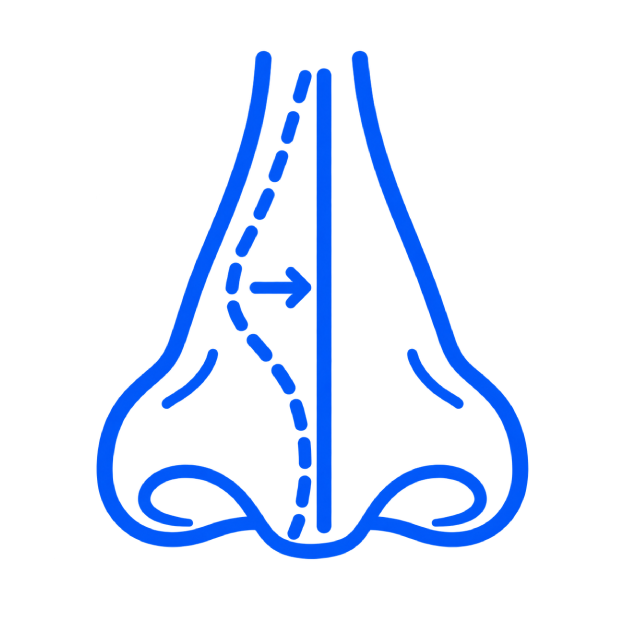
Septoplasty is a form of functional nasal surgery used to correct a deviated nasal septum. The septum is the wall that divides the nose into two passages. When the septum bends to one side, it can narrow one or both nasal passages and contribute to difficulty breathing through the nose. During surgery, the surgeon works through the nose and may trim, reposition, or reshape the affected cartilage and bone to improve the airway.

What is a Deviated Nasal Septum?

A deviated nasal septum is a septum that sits off-centre rather than running straight through the middle of the nose. It may be present from birth or develop following a nasal injury. Mild deviation may not cause noticeable problems. More significant deviation can restrict airflow, affect breathing and sleep, and in some cases contribute to poor sinus drainage and recurrent sinus problems.

Symptoms of a Deviated Nasal Septum

Symptoms associated with a deviated nasal septum may include:
  • One or both nostrils feeling blocked, often more on one side
  • Difficulty breathing through the nose, particularly during exercise or while lying down
  • Recurring nasal congestion
  • Mouth breathing, particularly at night
  • Frequent nosebleeds
  • Loud or laboured breathing during sleep
  • Reduced sense of smell

Who Needs Septoplasty Surgery?

Not everyone with a mildly deviated septum requires surgery. Septoplasty may be discussed when nasal obstruction begins affecting breathing, sleep, work, exercise, or other daily activities. Surgery may be considered for patients with:
  • Persistent nasal obstruction
  • Breathing difficulty that continues despite sprays or medication
  • Septal deviation related to a previous nasal injury
  • Nosebleeds associated with septal deviation
  • Nasal obstruction that affects sleep or contributes to heavy snoring
  • Septal deviation occurring together with enlarged turbinates

Diagnosis of a Deviated Nasal Septum

ENT Examination

During the consultation, the ENT specialist asks about how long the breathing problem has been present, whether symptoms have changed, and whether there has been any previous nasal injury. The doctor then examines the nose externally and internally before deciding whether additional evaluation is needed.

Nasal Endoscopy

A thin endoscope is introduced through the nostril to allow the ENT specialist to examine where the septum bends and assess the extent of the deviation.

Imaging Tests

A CT scan may be considered when there is suspected sinus disease or a history of facial trauma and additional information is required before planning treatment.

Who Needs and is Eligible for Septoplasty Surgery?

Individuals Who May Need Septoplasty

Septoplasty may be considered for patients experiencing:
  • Severe nasal blockage
  • Difficulty breathing through the nose
  • Symptoms that do not respond adequately to medical treatment
  • Recurrent nosebleeds associated with septal deviation
  • Nasal obstruction affecting sleep or daily activities
  • Septal deviation resulting from nasal trauma

Candidates

Patients who may be considered suitable candidates include those with:
  • A symptomatic deviated nasal septum
  • Persistent nasal airway obstruction
  • Septal deviation combined with turbinate enlargement
  • A need for septal correction before another nasal procedure

Clinical Considerations

The ENT specialist may also consider factors such as:
  • Age and general health
  • Severity of the septal deviation
  • Presence of allergy or sinus disease
  • History of previous nasal surgery
  • Bleeding risk

Types of Septoplasty Surgery

Conventional Septoplasty

During conventional septoplasty, the surgeon works through an incision inside the nose. The cartilage or bone contributing to the narrowing may be reshaped, repositioned, or removed. Since the incision is inside the nose, there is generally no visible external scar.

Endoscopic Septoplasty

Endoscopic septoplasty is performed with the assistance of an endoscope, which provides a magnified view of the septal deviation. This allows the surgeon to work more precisely in selected cases.

Septoplasty with Turbinate Reduction

When enlarged turbinates also contribute to nasal blockage, turbinate reduction may be performed along with septoplasty. Reducing turbinate size can create additional space within the nasal passage and help improve airflow.

Endoscopic Septoplasty Surgery

What is Endoscopic Septoplasty?

Endoscopic septoplasty is performed with the aid of an endoscope, which provides the surgeon with a close and well-lit view of the nasal septum throughout the procedure. This improved visibility can help the surgeon identify the precise area of deviation and perform targeted correction.

Benefits of Endoscopic Septoplasty

Potential advantages may include:
  • Improved visualisation of the structures inside the nose
  • More precise correction of selected areas of deviation
  • Reduced disruption of surrounding tissue in selected cases
  • Potentially less bleeding
  • Improved nasal airflow after appropriate healing in suitable patients

How Endoscopic Septoplasty Works

The endoscope helps the surgeon identify where the septum has shifted. A small incision is made inside the nose, after which the affected cartilage and bone may be removed, reshaped, or repositioned. Once the correction is complete, the nasal lining is placed back into position.

Septoplasty Procedure at Trustwell Hospitals

Pre-Surgery Preparation

Preparation generally includes an ENT examination and nasal endoscopy. Blood tests may be performed to assess fitness for anaesthesia. The surgeon also reviews the patient’s current medications and existing medical conditions because these can affect anaesthesia and recovery. Fasting instructions are provided before the procedure.

During Surgery

Once anaesthesia is administered, the surgeon makes an incision inside the nose and corrects the cartilage or bone contributing to the deviation. The septum is repositioned, and nasal splints or packing may be placed when clinically required.

Post-Surgery Care

Post-operative care focuses on controlling pain and swelling and monitoring for bleeding. If nasal splints or packing have been used, the treating team provides instructions regarding their care. Follow-up visits allow the ENT surgeon to monitor healing and recovery.

Benefits of Septoplasty Surgery

For appropriately selected patients, deviated septum surgery in Bangalore may offer benefits such as:
  • Improved nasal airflow
  • Reduced nasal blockage
  • Easier breathing through the nose
  • Reduced mouth breathing
  • Improved sleep quality
  • Reduced nosebleeds in selected patients
  • Improved quality of life

Risks and Complications

Like any surgical procedure, septoplasty carries possible risks. These may include:
  • Bleeding
  • Infection
  • Swelling
  • Persistent nasal blockage
  • Septal perforation
  • Temporary changes in the sense of smell
  • Scar tissue formation inside the nose
  • Possible need for revision surgery in selected cases

Expert ENT Surgeons for Septoplasty in Bangalore

Trustwell Hospitals’ ENT surgeons have experience in endoscopic nasal surgery and in managing deviated nasal septum and nasal obstruction. Treatment is planned according to the patient’s symptoms, nasal anatomy, clinical findings, and individual requirements. Follow-up care is provided after surgery to monitor recovery.

Why Choose Trustwell Hospitals for Septoplasty Surgery in Bangalore?

Patients considering septoplasty surgery in Bangalore may require access to ENT specialists, nasal endoscopy, surgical facilities, and structured follow-up care. At Trustwell Hospitals, patients can access:
  • Experienced ENT specialists: The ENT team evaluates and manages nasal obstruction and deviated septum conditions.
  • Advanced nasal endoscopy: Nasal endoscopy helps the ENT specialist assess the septum and other structures inside the nose.
  • Endoscopic surgical techniques: Endoscopic techniques may be used for appropriately selected cases requiring septal correction.
  • Personalised treatment planning: Surgical decisions are made according to symptoms, clinical findings, and individual nasal anatomy.
  • Post-operative follow-up: Follow-up visits allow the ENT team to monitor healing and recovery after surgery.
If persistent nasal blockage is affecting your breathing or daily activities, an ENT consultation can help determine whether septoplasty may be appropriate.

Frequently Asked Questions About Septoplasty Surgery in Bangalore

What is septoplasty surgery?

Septoplasty is a surgical procedure used to straighten a deviated nasal septum, the wall between the two nasal passages, with the aim of improving nasal airflow and breathing.

Who needs and is eligible for septoplasty surgery?

Septoplasty may be considered for patients with persistent nasal blockage or breathing problems that do not improve adequately with medical treatment. It may also be considered when septal deviation is related to an old injury, recurring nosebleeds, sleep disturbance, or other functional problems.

What are the symptoms of a deviated nasal septum?

Symptoms may include blocked nostrils, difficulty breathing through the nose, recurring congestion, mouth breathing, frequent nosebleeds, noisy breathing during sleep, and a reduced sense of smell.

Is septoplasty surgery painful?

The surgery itself is performed under anaesthesia. Some discomfort and swelling may occur during recovery, and the treating team can recommend appropriate medication and post-operative care.

Can septoplasty and turbinate reduction be performed together?

Yes. When enlarged turbinates are also contributing to nasal blockage, turbinate reduction may be performed together with septoplasty when the surgeon considers this appropriate. Book an Appointment
Book an Appointment