A New Milestone: Successfully accredited with NABH 6th Edition – Redefining standards in healthcare quality and patient safety | Live vitals. Real-time data. Faster care. Trustwell Hospitals unveils Karnataka’s first 5G SMART ambulance |
Find a Doctor Book Online Appointment
Liver Transplantation

Department Of

Liver Transplantation

Liver Transplantation - Overview

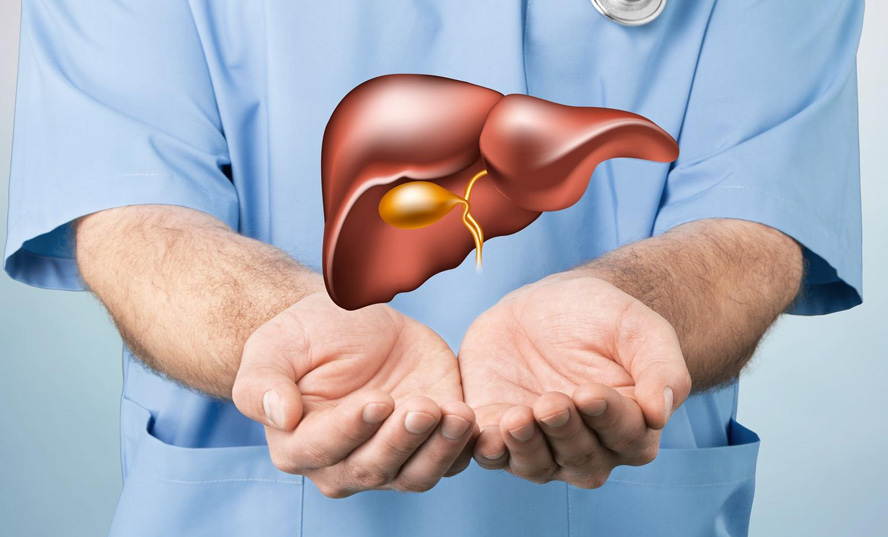
Liver Transplantation at Trustwell Hospitals Liver transplantation is a life-changing surgical procedure offered to patients with serious liver diseases to enable them to be restored to health, mobility, and quality of life. At Trustwell Hospitals, the dedicated Liver Transplant Unit brings together the best hepatologists, transplant surgeons, critical care specialists, and advanced medical infrastructure to deliver safe, successful, and patient-centric treatment outcomes. With a focus on precision, compassionate care, and evidence-based practices, we look forward to making your transplant journey as smooth and stress-free as possible. What is a Liver Transplant? It is a surgical procedure wherein a diseased liver or one that is in failure is replaced by a healthy one from a donor, either a cadaveric transplant from a deceased donor or part of the liver from a living donor. The liver is the only organ capable of natural regeneration; therefore, both portions taken from the donor and the recipient can grow back to normal size over time. This kind of treatment is indicated in patients who have already advanced stages of liver disease and no longer respond to medical management. Who needs a liver transplant? A liver transplant is being considered when a patient’s liver is already so damaged that it cannot carry out its essential functions of detoxification, synthesis of proteins, and production of bile. Common conditions requiring transplantation of the liver include:
  • Cirrhosis: because of alcohol, hepatitis B or C virus, or fatty liver disease
  • Acute liver failure
  • Liver malignancies, including hepatocellular carcinoma
  • Genetic or metabolic liver disorders
  • Autoimmune liver diseases
The doctors usually consider transplant eligibility based on scores for the severity of liver damage, such as MELD, and comprehensive health evaluations.
Liver Transplantation

Why Choose Liver Transplantation Department at Trustwell Hospitals?

Why Choose Trustwell Hospitals for Liver Transplant?

  • Experienced transplant surgeons & hepatologists
  • Proven clinical outcomes and high success rates
  • Comprehensive donor and recipient evaluation systems
  • Advanced transplant technology
  • Personalised treatment plans in a patient-first model of care
  • Economical treatment packages


Caring with compassion and continued assistance in rehabilitation. Innovation, expertise, and empathy underpin the Trustwell Hospitals’ commitment to delivering world-class transplant services.

What We Treat

Who needs a liver transplant?

A liver transplant is being considered when a patient’s liver is already so damaged that it cannot carry out its essential functions of detoxification, synthesis of proteins, and production of bile. Common conditions requiring transplantation of the liver include:

  • Cirrhosis: because of alcohol, hepatitis B or C virus, or fatty liver disease
  • Acute liver failure
  • Liver malignancies, including hepatocellular carcinoma
  • Genetic or metabolic liver disorders
  • Autoimmune liver diseases

The doctors usually consider transplant eligibility based on scores for the severity of liver damage, such as MELD, and comprehensive health evaluations.

Types of Liver Transplants

Trustwell Hospitals offers a range of transplant options to suit patient needs:

  1. Deceased Donor Liver Transplant (DDLT)

It involves the transplantation of a healthy liver from a deceased donor into the patient. DDLT is one of the most common transplant techniques today.

  1. LDLT (Living Donor Liver Transplant)

A part of the liver is taken from a living relative. LDLT reduces waiting time and provides predictable surgical scheduling.

  1. Split Liver Transplant

It usually involves splitting the liver of one donor into two portions and transplanting them individually to different recipients, often an adult and a child.

  1. Paediatric Liver Transplants

Specialised transplant solutions are specifically designed for infants and children who suffer from congenital or metabolic liver disorders.

How We Treat

Liver Transplant Evaluation Process

A medical checkup before transplantation should be organised for the patient, as follows:

  • Imaging studies include blood tests, MRI, CT scans, and ultrasound.
  • Cardiac and pulmonary examinations
  • Infection screening
  • Psychological and nutritional assessments
  • Assessment of social and financial support systems

This assessment enables the determination of the patient’s eligibility for surgery, early identification of risks, and preparation for a successful transplant.

The Liver Transplant Procedure

The general length of a transplant surgery is 6–12 hours. It includes:

  • The removal of the diseased liver
  • Implantation of the donor liver or liver portion
  • Ligation of major blood vessels and bile ducts
  • Restoration of blood flow and stabilisation

Postoperatively, the patient is transferred to the ICU for close monitoring. When stable, they are then transferred to a recovery ward where rehabilitation is initiated. Through it all, our multidisciplinary team ensures comfort, safety, and quick recovery.

Post-Transplant Care & Recovery

The long-term health of the liver after transplantation requires the following:

  • Immunosuppressive drugs to prevent rejection of organs
  • Regular check-ups and blood tests
  • Infection prevention and monitoring
  • Nutritional guidance and physiotherapy
  • The lifestyle modifications mainly include the avoidance of alcohol and smoking.

With proper care and following the medical plan, most patients return to their usual activities in 3 to 6 months.


Technology

Advanced Technology & Infrastructure at Trustwell Hospitals

Trustwell Hospitals boasts of every modern facility required in complex transplant surgeries:

  • Dedicated Liver Transplant ICU
  • Advanced surgical theatres supported with real-time imaging
  • 24/7 emergency and critical care services
  • Modern laboratory and diagnostic capabilities
  • Comprehensive rehabilitation and counselling services
  • Our infrastructure is commensurate with high surgical precision, minimal complications, and faster recovery.

Conditions Managed Before/After Transplant

Our specialists manage a range of conditions that affect the liver, including:

  • Hepatitis B & C
  • Alcoholic liver disease
  • Non-alcoholic fatty liver disease (NAFLD)
  • Portal hypertension
  • Liver cirrhosis
  • Acute liver failure
  • Metabolic and genetic liver disorders

Long-term monitoring following the transplant prevents complications such as rejection of the organ, infections, and recurrence of liver disease.

Meet Our Experts

Expert Hands, Caring Hearts – Meet Our Doctor!

Frequently Asked Questions - Liver Transplantation

Who can donate a liver?

It could be a cadaver donor or a living, healthy donor between 18 and 55 years of age with a compatible blood group and free from significant medical illnesses.

How long will the patient be in the hospital?

The length of stay varies depending on the progress toward recovery and overall health. Most patients go home within 2–3 weeks.

What is the recovery time?

Recovery usually takes 3 to 6 months with regular follow-up visits and medication adherence.

What are the risks of a liver transplant?

Potential risks include infection, bleeding, organ rejection, and complications from immunosuppressant medications. Stringent monitoring helps minimise these risks at Trustwell Hospitals.

Are immunosuppressants lifelong?

Yes, patients have to take immunosuppressants for life, though the dosage may decrease over time.

What lifestyle changes are necessary?

Avoid alcohol, smoking, and processed foods; be very careful about diet, exercise, sleep, and hygiene practices.
Book an Appointment