A New Milestone: Successfully accredited with NABH 6th Edition – Redefining standards in healthcare quality and patient safety | Live vitals. Real-time data. Faster care. Trustwell Hospitals unveils Karnataka’s first 5G SMART ambulance |
Find a Doctor Book Online Appointment
Hernia Treatment Near Basavanagudi, Bangalore

Hernia Treatment Near Basavanagudi, Bangalore

Hernia Treatment Near Basavanagudi

hernia treatment near basavanagudi bangalore

A new bulge around the abdomen or groin can make everyday activities feel uncertain. You may notice it while standing, coughing, exercising, or lifting something and wonder whether it could be a hernia. Patients searching for Hernia Treatment Near Basavanagudi may also have an existing diagnosis and want to understand whether their symptoms now require further evaluation or treatment. Trustwell Hospitals provides gastrointestinal care at 5, JC Rd, Vinobha Nagar, Sudhama Nagar, Bengaluru, Karnataka 560002. Patients from Basavanagudi and nearby parts of Bengaluru can consult the gastrointestinal team for assessment and treatment planning based on the location of the hernia, symptoms, medical history, and individual clinical requirements.
✓  10+ Years of Gastroenterology Experience
✓  Advanced Endoscopy and Diagnostic Facilities
✓  Same-Day Appointments Available
✓  Cashless Insurance Assistance Available
✓  NABH 6th Edition Certified Hospital

Why Might Patients From Basavanagudi Seek Hernia Care?

A hernia may initially be easy to overlook. A small swelling might only become visible after a long day of activity, while some people notice a sensation of heaviness or discomfort before identifying an actual bulge. For someone living in Basavanagudi, arranging a specialist consultation can help clarify what the swelling represents and whether it needs observation or treatment. This can be particularly useful when symptoms begin interfering with exercise, work, household activities, or other aspects of daily life. Patients may consider an evaluation if they notice:
  • A persistent swelling in the abdomen or groin
  • A bulge that becomes more apparent while standing
  • Increased prominence during coughing or straining
  • Discomfort when lifting objects
  • Pressure, heaviness, or pulling around one area
  • A previously diagnosed hernia that appears different
  • Symptoms that are affecting normal physical activity
  • Questions about whether repair is appropriate
A consultation is not simply about identifying a lump. The specialist can assess its characteristics and consider whether another condition could be responsible.

What Is a Hernia?

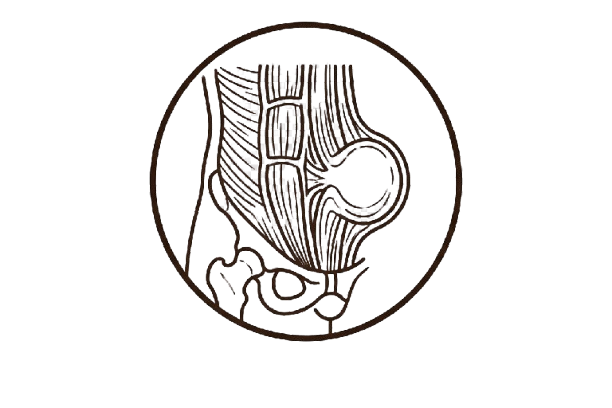
A hernia occurs when internal tissue pushes through a weakened area in the muscle or surrounding tissue. The location of the weakness determines where the swelling develops. Some hernias are readily visible, whereas others may mainly produce discomfort during particular activities. Their presentation can also change according to body position or abdominal pressure.

Inguinal Hernia

An inguinal hernia occurs in the groin region. A bulge may become more noticeable when standing, coughing, lifting, or performing activities that increase pressure inside the abdomen.

Umbilical Hernia

An umbilical hernia develops around the navel. It can appear as a swelling at or close to the belly button, with symptoms varying from one person to another.

Incisional Hernia

An incisional hernia can occur at or near the site of an earlier abdominal operation where the abdominal wall has become weakened. A new swelling around a previous incision therefore deserves appropriate evaluation.

Other Abdominal Wall Hernias

Hernias can develop at other areas of weakness in the abdominal wall. Their location and physical characteristics help the specialist determine the appropriate assessment and treatment pathway.

What Symptoms Can Accompany a Hernia?

Not everyone experiences a hernia in the same way. Some people may have a visible swelling with little discomfort, while others notice symptoms primarily when performing particular activities.

A Bulge That Becomes More Prominent

A swelling may be easier to see when standing, coughing, lifting, or straining. Some patients notice that its prominence changes with their position.

Discomfort During Movement

Walking, exercise, lifting, or other physical activities may make the affected area uncomfortable. Tell the specialist which movements appear to trigger or increase your symptoms.

Pressure or Heaviness

Instead of sharp pain, some people describe a sensation of pressure, heaviness, pulling, or dragging in the affected area.

Changes in an Existing Swelling

An established hernia may become larger or begin causing symptoms that were not present previously. Any noticeable change should be discussed with a healthcare professional.

Activity-Related Symptoms

A swelling that repeatedly appears or becomes more prominent during coughing, exercise, or lifting can provide useful information during a clinical assessment. These signs do not establish a diagnosis on their own. A specialist needs to consider the complete clinical picture before determining what the swelling represents.

How Is a Suspected Hernia Evaluated?

The assessment generally begins with a discussion about the patient’s symptoms and medical history. The specialist may ask when the swelling appeared, where it is located, and whether its appearance changes with movement or position. The consultation may cover:
  • The duration of the swelling
  • Changes in its size or appearance
  • Whether coughing or straining affects it
  • The presence of pain or tenderness
  • Previous abdominal procedures
  • Physical activity and occupational requirements
  • Existing health conditions
  • Earlier investigations
  • Previous treatment
A physical examination may be used to assess the affected area. If the findings are uncertain or additional information is required, the doctor may recommend appropriate imaging. The purpose of this evaluation is to establish a clearer understanding of the condition before deciding whether observation, further investigation, or treatment should be considered.

When Should a Hernia Be Evaluated Promptly?

A known hernia should be reassessed if there is a significant change in its usual appearance or symptoms. Sudden severe pain, marked tenderness, or a bulge that becomes difficult to push back when it was previously reducible can require prompt medical assessment. Vomiting, significant abdominal discomfort, or difficulty passing stool or gas together with a painful hernia may also require urgent attention. Patients experiencing such symptoms should seek appropriate medical care rather than attempting to manage the change themselves.

What Should You Bring to a Hernia Consultation?

If you have previously visited another doctor or hospital, carrying your medical records can help provide useful background. Consider bringing:
  • Ultrasound or other imaging reports
  • Previous consultation notes
  • Prescriptions
  • Discharge summaries
  • Records from earlier abdominal procedures
  • Details of medicines currently being taken
It can also be helpful to note when the swelling becomes noticeable and whether standing, coughing, lifting, exercising, or lying down changes its appearance. If you already have a diagnosis, explain whether the current symptoms are different from those experienced during your earlier assessment. This can help the specialist understand how the condition has evolved.

How Is the Appropriate Hernia Treatment Decided?

There is no single treatment approach that suits every hernia. The specialist considers the location and characteristics of the hernia along with the symptoms, previous medical history, and effect on daily activities before discussing the next step.

Understanding the Type of Hernia

An inguinal, umbilical, or incisional hernia can have different clinical considerations. Establishing where the weakness is located helps the doctor understand which management options may be relevant.

Considering Your Symptoms

The presence, frequency, and severity of discomfort can influence the treatment discussion. The specialist may also consider whether the swelling interferes with work, exercise, lifting, or other regular activities.

Reviewing Previous Treatment

If you have already been evaluated or treated elsewhere, earlier reports and treatment details can help the doctor understand how the condition has progressed.

Deciding on Further Management

Following the assessment, the specialist can explain whether observation, additional evaluation, or hernia repair should be considered for your particular situation.

What Hernia Treatment Options May Be Considered?

When treatment is recommended, the technique is selected according to the hernia’s location and characteristics, previous abdominal procedures, and the patient’s overall health.

Open Hernia Repair

Open repair involves accessing the affected area through an incision and repairing the weakened section of the abdominal wall. It can be considered for selected hernias based on individual clinical findings.

Laparoscopic Hernia Repair

Laparoscopic repair uses small incisions and specialised instruments to address the abdominal wall defect. Whether this approach is suitable depends on factors such as the type of hernia, previous procedures, and overall health.

Minimally Invasive Techniques

Minimally invasive gastrointestinal procedures may be considered where appropriate. The treating specialist can explain the proposed technique, why it has been selected, and what the patient can expect from the treatment pathway. The most suitable method is determined on an individual basis rather than by applying the same technique to every patient.

When May Hernia Repair Be Recommended?

Treatment may be discussed when the hernia becomes increasingly troublesome or when the clinical assessment indicates that repair should be considered. This may include situations where:
  • The swelling has become more prominent
  • Discomfort is occurring more often
  • Routine activities are becoming difficult
  • Physical exertion consistently aggravates symptoms
  • An existing hernia has changed over time
  • The specialist identifies a reason for intervention
The doctor can explain the reasoning behind the recommendation and whether any additional assessment is needed before proceeding.

Why Can an Existing Hernia Require Reassessment?

A hernia that was previously monitored can change. Someone who had minimal symptoms initially may later notice a larger bulge, increasing discomfort, or a different pattern during physical activity. A current assessment can determine whether the previous management plan remains suitable. Reassessment can be particularly useful when:
  • The swelling appears noticeably larger
  • Symptoms have become more frequent
  • Exercise or lifting has become uncomfortable
  • The bulge behaves differently from before
  • New symptoms have developed
  • The earlier evaluation was performed some time ago
Rather than relying entirely on an older diagnosis, discussing significant changes with a specialist provides an opportunity to reassess the current condition.

What Should You Discuss Before Hernia Repair?

Patients can ask questions about the recommended approach before making a treatment decision.

Why Is Repair Being Recommended?

Ask what clinical findings or symptoms have led the specialist to recommend repair.

Which Technique Is Appropriate?

The doctor can explain the proposed approach and why it may be suitable for the location and characteristics of your hernia.

Are Other Options Available?

Depending on your individual condition, alternative approaches may be relevant. Ask which options apply to your circumstances.

What Preparation Is Needed?

Preparation depends on the planned procedure and your medical history. Follow the instructions provided by your treating team.

How May Recovery Affect My Routine?

Discuss work, exercise, lifting, driving, travelling, and other activities that are important to you. Recovery advice varies according to the procedure and individual circumstances.

What Follow-Up Should I Expect?

Ask when you should return after treatment and which changes or symptoms should prompt you to contact your healthcare team.

Why Consider Trustwell Hospitals for Hernia Care Near Basavanagudi?

Patients searching for a Hernia Specialist Near Basavanagudi may want access to experienced gastrointestinal specialists and appropriate treatment options under one care pathway. Trustwell Hospitals’ team includes doctors with expertise in hernia care, colorectal conditions, laparoscopic gastrointestinal procedures, minimally invasive GI surgery, and robotic gastrointestinal surgery. For patients who need broader gastrointestinal evaluation alongside a hernia concern, the hospital’s multidisciplinary expertise can also be relevant.

What Can Patients Expect During a Hernia Consultation?

For patients travelling from Basavanagudi, the consultation is an opportunity to discuss the swelling or discomfort in detail and understand whether further evaluation or treatment may be appropriate.

Describe When You First Noticed the Bulge

Tell the specialist approximately when the swelling appeared and whether it has gradually changed. Mention if it becomes more visible at particular times or during specific activities.

Explain What Makes the Symptoms Better or Worse

Information about standing, coughing, lifting, exercising, or resting can help the doctor understand the pattern of your symptoms.

Mention Any Previous Abdominal Procedures

If you have undergone an abdominal operation in the past, provide details during the consultation. A swelling close to an earlier incision may require a different assessment from a newly developed groin or umbilical bulge.

Share Your Earlier Medical Records

Bring relevant imaging reports, consultation notes, prescriptions, and discharge documents if you have them. These records can help the specialist understand previous assessments.

Discuss Your Everyday Activities

Tell the doctor if your work, exercise routine, household responsibilities, or other regular activities involve physical exertion or lifting. This information can be useful when discussing treatment and recovery.

How Can You Prepare for Your Appointment?

Preparing a few details before your visit can make the discussion more focused.

Keep Track of Changes

Note whether the swelling has become larger, more frequent, or more uncomfortable since you first noticed it.

Carry Your Medication List

Provide details of prescription medicines, over-the-counter products, and supplements you currently use.

Bring Previous Investigation Reports

If an ultrasound or another investigation has already been performed, carry the report rather than relying only on memory.

Mention Earlier Operations

Details about previous abdominal procedures can be important when assessing the abdominal wall.

Prepare Questions

Write down concerns about diagnosis, treatment techniques, preparation, recovery, physical activity, and follow-up so they can be discussed during the appointment.

Which Specialists Can Patients Consult for Hernia Care?

Trustwell Hospitals has specialists covering surgical gastroenterology, medical gastroenterology, hepatology, colorectal care, and minimally invasive gastrointestinal procedures.

Dr. Roopa Bhushan – Senior Consultant – Surgical Gastroenterology

Qualifications: MBBS, MS (General Surgery), DNB (Surgical Gastroenterology)

Experience: 20+ Years

Dr. Roopa Bhushan provides gastrointestinal and colorectal care. Her relevant expertise includes hernia surgery and laparoscopic gastrointestinal surgery, along with upper and lower GI endoscopy and benign gastrointestinal disorders.

Areas of Expertise:

  • Hernia surgery
  • Laparoscopic gastrointestinal surgery
  • Colorectal surgery
  • Female colorectal and anorectal disorders
  • Upper and lower GI endoscopy
  • Benign gastrointestinal disorders
  • Gallbladder surgery

Dr. Rohith M – Consultant – Surgical Gastroenterology & HPB Surgery

Qualifications: MBBS, MS (General Surgery), MCh (Surgical Gastroenterology), DrNB (Surgical Gastroenterology), FMAS

Experience: 10+ Years

Dr. Rohith M has expertise in minimally invasive GI surgery and advanced laparoscopic procedures, together with colorectal and complex gastrointestinal care.

Areas of Expertise:

  • Complex gastrointestinal surgery
  • Colorectal surgery
  • Minimally invasive GI surgery
  • Advanced laparoscopic procedures
  • Liver, pancreas, and biliary surgery
  • Gastrointestinal cancer surgery

Dr. Sunil Kumar Alur – Senior Consultant – Robotic & Surgical Gastroenterology

Qualifications: MBBS, DNB, FMIS, FALS, FACRSI, FMAS, FIAGES, FACS

Experience: 15+ Years

Dr. Sunil Kumar Alur has expertise in robotic gastrointestinal surgery and laparoscopic GI surgery, alongside colorectal care and other gastrointestinal procedures.

Areas of Expertise:

  • Robotic gastrointestinal surgery
  • Laparoscopic GI surgery
  • Colorectal surgery
  • Laser treatment for fistula, piles, and fissures
  • Complex anal fistula management
  • Bariatric and metabolic surgery

Dr. Nithin Kumar H N – Consultant – Medical Gastroenterology & Hepatology

Qualifications: MBBS, MD (General Medicine), DM (Gastroenterology & Hepatology), MRCP-ESEGH (UK), Fellowship in Advanced Endoscopy

Dr. Nithin Kumar H N specialises in medical gastroenterology and hepatology. His expertise includes chronic digestive disorders, advanced diagnostic and therapeutic endoscopy, inflammatory bowel disease, liver disease management, pancreatic and hepatobiliary disorders, GI motility disorders, acid reflux, and IBS.

His role may be relevant for patients seeking gastrointestinal care who also have digestive or hepatobiliary concerns requiring medical assessment.

Areas of Expertise:

  • Inflammatory bowel disease
  • Chronic digestive disorders
  • Advanced diagnostic and therapeutic endoscopy
  • Liver disease management
  • Pancreatic and hepatobiliary disorders
  • GI motility disorders
  • Acid reflux and IBS

How Do You Reach Trustwell Hospitals From Basavanagudi?

Trustwell Hospitals is located at 5, JC Rd, Vinobha Nagar, Sudhama Nagar, Bengaluru, Karnataka 560002.

By Cab or Taxi

Patients can use app-based cabs or taxis for point-to-point travel towards JC Road.

By Auto-Rickshaw

Auto-rickshaws provide another convenient option from Basavanagudi and surrounding neighbourhoods.

By Private Vehicle

Patients travelling by car or two-wheeler can head towards JC Road and Sudhama Nagar. Parking is available at the hospital.

By BMTC

BMTC services can be used to travel towards the JC Road area, with an auto-rickshaw or cab available for the remaining journey if required.

By Metro

Lalbagh Metro Station is approximately 1.5 km from Trustwell Hospitals according to the supplied hospital information. Patients can continue from the station by auto-rickshaw or cab.

Nearby Landmarks

The hospital is located near established Bengaluru landmarks including Lalbagh Botanical Garden, Victoria Hospital, Bangalore Medical College and Research Institute, and Bengaluru Town Hall. Address: 5, JC Rd, Vinobha Nagar, Sudhama Nagar, Bengaluru, Karnataka 560002 OPD Timings: 10:00 AM to 4:00 PM Phone: 8045666777 Parking: Available   Patients looking for hernia care in surrounding areas can also explore hernia services near Koramangala or hernia services near Wilson Garden.

Frequently Asked Questions About Hernia Treatment Near Basavanagudi

Can a hernia be present even when there is no visible swelling?

Yes. Some hernias may not produce an obvious bulge at all times. If you experience unexplained discomfort or pressure in the groin or abdominal region, a specialist can determine whether further evaluation is appropriate.

Can a hernia affect someone who does not lift heavy objects?

Yes. Hernias are not limited to people whose daily routines involve heavy lifting. If you notice a persistent or recurring abdominal or groin swelling, discuss it with a healthcare professional.

Does a previous abdominal operation change the way a hernia is assessed?

It can. A swelling near an earlier incision may represent an incisional hernia, making details about the previous operation relevant to the assessment and treatment plan.

Can a hernia repair be planned around important work commitments?

Treatment planning can take a patient’s routine into consideration. Tell the specialist about important work responsibilities, travel, or physical activities so that preparation and expected recovery can be discussed appropriately.

Is a second opinion possible if I have already been advised to undergo hernia repair?

Yes. Patients can seek another specialist assessment if they want to understand their diagnosis or treatment recommendation better. Previous imaging and consultation records can be useful during the appointment.

Can a previously repaired hernia develop another swelling?

A new swelling after earlier repair should be evaluated rather than automatically assumed to represent recurrence. The specialist can assess the area and determine what may be causing the change.

Should I mention upcoming travel before scheduling hernia treatment?

Yes. If you have planned travel, discuss it before scheduling treatment. The treating team can advise you according to the proposed procedure and expected recovery.

Does every person with a diagnosed hernia need immediate repair?

Not necessarily. Management depends on the individual diagnosis, symptoms, clinical findings, and overall circumstances. The specialist can explain whether observation or treatment is appropriate.

Can I continue my usual exercise routine with a diagnosed hernia?

Exercise recommendations vary according to the individual condition. Discuss your specific activities with the specialist rather than assuming that all forms of exercise are suitable or unsuitable.

What should I do if an existing hernia suddenly becomes very painful?

Sudden severe pain, significant tenderness, or a swelling that becomes difficult to push back requires prompt medical attention. Vomiting or difficulty passing stool or gas alongside significant symptoms can also warrant urgent assessment. Book an Appointment
Book an Appointment