


 Neuro Sciences
 Gastro Sciences
 Kidney Diseases
 Orthopedics
 Transplantation
 ENT and Head-Neck Surgery
 Advanced Trauma Center
 Cardiology
 Interventional Pulmonology
 Hematology and Bone Marrow Transplant(BMT)
 Anesthesia
 Critical Care Excellence, Comprehensive Intensive Care Services in Bangalore
 Dental Surgery and Oral Implants
 Dermatology and Cosmetic Surgery
 Endocrinology and Diabetology
 Facial Plastic and Reconstructive Surgery
 Family Medicine
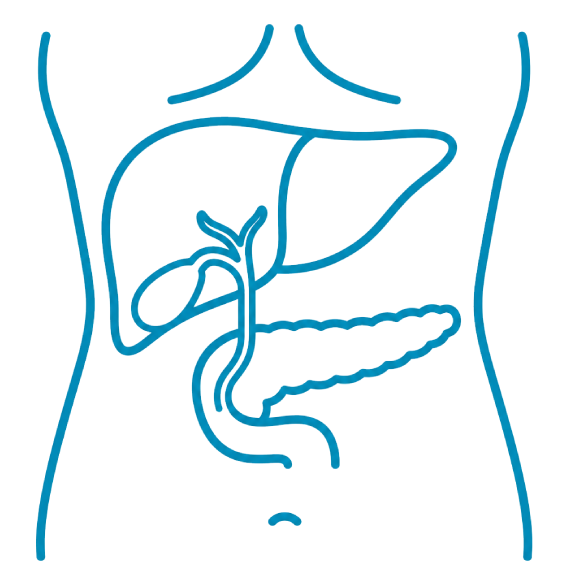 Hepatopancreatobiliary Surgery
 Internal Medicine
 Microbiology
 Obstetrics and Gynaecology
 Oncology
 Ophthalmology
 Oral and Maxillofacial Surgery
 Pathology and Laboratory
Lactose Intolerance and Its Solution
What Is Lactose Intolerance?
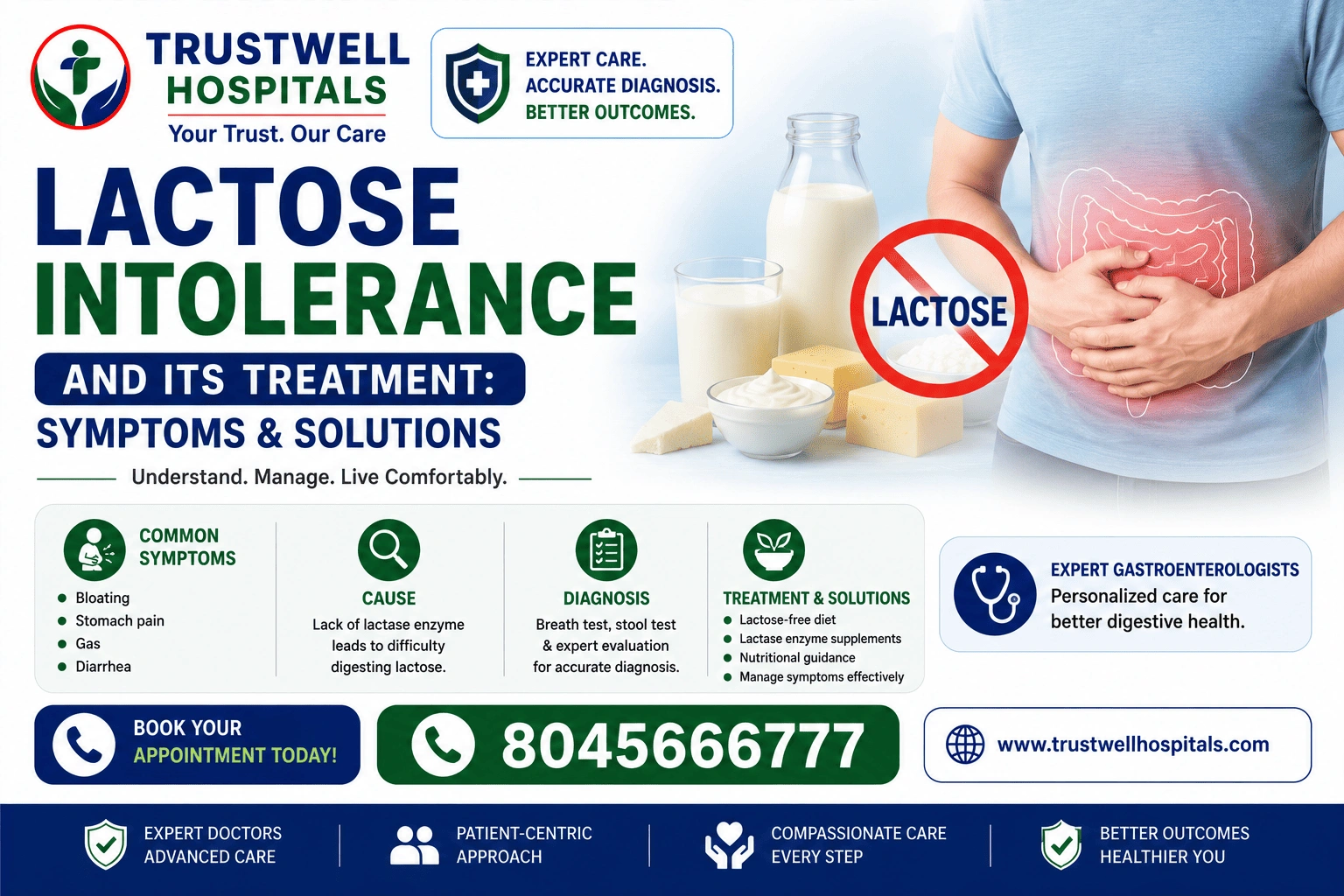
Lactose digestion depends on an enzyme called lactase, which is produced in the small intestine. Lactase breaks lactose into simpler sugars that can be absorbed by the body. When lactase production is insufficient, undigested lactose passes into the large intestine. Bacteria there ferment the lactose, producing gases and drawing water into the bowel. This can result in the characteristic symptoms associated with lactose intolerance. Lactose intolerance is different from a milk allergy. A milk allergy involves an immune reaction to proteins in milk, whereas lactose intolerance involves difficulty digesting lactose. Understanding this distinction is important because the dietary approach and medical implications are different.What Are the Symptoms of Lactose Intolerance?
Symptoms usually develop after consuming milk or foods containing lactose. The timing and severity can differ depending on the amount consumed and the individual’s ability to digest lactose. Common symptoms include:- Bloating
- Abdominal discomfort or cramps
- Excessive gas
- Loose stools or diarrhoea
- Abdominal rumbling
- Nausea in some people
- A feeling of fullness after consuming dairy

