A New Milestone: Successfully accredited with NABH 6th Edition – Redefining standards in healthcare quality and patient safety | Live vitals. Real-time data. Faster care. Trustwell Hospitals unveils Karnataka’s first 5G SMART ambulance |
Find a Doctor Book Online Appointment

Diet & Lifestyle Changes for Fatty Liver

Diet and Lifestyle Changes for Fatty Liver
diet and lifestyle changes for fatty liver

Fatty liver is often linked with metabolic and lifestyle factors, and everyday habits can play an important role in its management. Changes in food choices, physical activity, weight management, sleep, and alcohol intake may help support liver health. However, the appropriate approach depends on the underlying cause, the extent of liver involvement, and a person’s overall health. This guide explains practical diet and lifestyle changes for fatty liver, including what to prioritise in everyday meals, how physical activity can fit into a routine, and why sustainable changes are generally more useful than short-term restrictive diets.

What Is Fatty Liver?

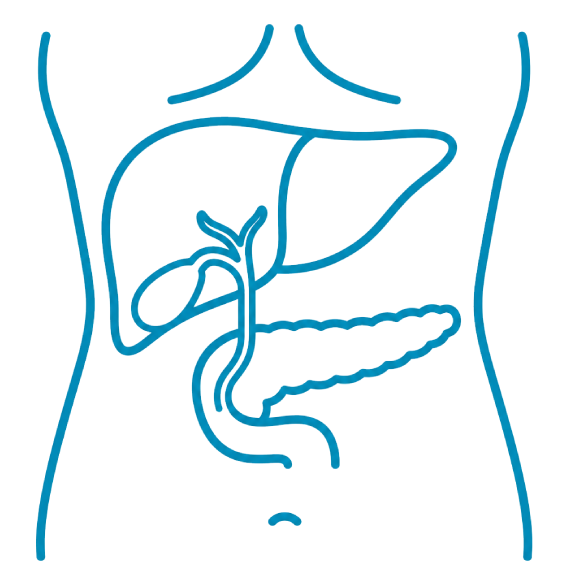
Fatty liver refers to an excessive accumulation of fat in the liver. It can occur for different reasons, including metabolic factors and alcohol consumption. Metabolic dysfunction-associated steatotic liver disease (MASLD) is one important form associated with conditions such as excess body weight, insulin resistance, type 2 diabetes, and abnormal cholesterol or triglyceride levels. Fatty liver may not always cause noticeable symptoms. Some people discover it during routine blood tests or abdominal imaging performed for another reason. Others may experience tiredness or discomfort in the upper-right abdomen, although these symptoms are not specific to fatty liver. Because the condition can have different causes and degrees of severity, lifestyle changes should complement appropriate medical evaluation rather than replace it.

Which Diet Changes Can Support Liver Health?

There is no single food that removes liver fat. Instead, the overall pattern of eating matters. A sustainable diet should provide adequate nutrition while reducing excessive intake of foods associated with metabolic health problems.

Choose More Vegetables and Fibre-Rich Foods

Vegetables, fruits, legumes, whole grains, and other fibre-rich foods can form an important part of a balanced eating pattern. They can also help improve overall diet quality and support healthy bowel function. Rather than making one food the focus of the diet, aim for variety across meals.

Prefer Whole Grains

Replacing refined grains with whole-grain choices can increase dietary fibre. Options may include oats, brown rice, whole-wheat preparations, millets, and other minimally processed grains according to individual dietary preferences. Portion size still matters, particularly when managing overall calorie intake.

Include Appropriate Protein Sources

Protein can be obtained from foods such as pulses, beans, lentils, eggs, fish, poultry, and other suitable sources. Choosing minimally processed protein foods can make meals more balanced. Vegetarian and non-vegetarian diets can both be adapted to support healthier eating patterns.

Reduce Added Sugar

Regularly consuming sugary beverages, sweets, desserts, and other foods high in added sugars can contribute excess calories and may make metabolic health harder to manage. Water, unsweetened beverages, and whole foods can be preferable everyday choices.

Limit Highly Processed Foods

Frequent consumption of highly processed foods can make it easier to consume excess calories, saturated fat, sodium, and added sugars. Reducing these foods can be a practical part of improving overall dietary quality.

Choose Fats Carefully

Dietary fat does not need to be eliminated completely. Instead, focus on overall dietary quality and appropriate portions. Nuts, seeds, fish, and plant-based oils can provide unsaturated fats, while foods high in saturated and trans fats should generally be limited.

Be Careful With Portion Sizes

Even nutritious foods can contribute substantial calories when consumed in large quantities. Portion awareness can therefore be useful, particularly for people who need to lose weight as part of fatty liver management.

Can Physical Activity Help With Fatty Liver?

Yes. Regular physical activity can support metabolic health and may help reduce liver fat. Exercise can be useful even when substantial weight loss does not occur. A combination of aerobic activity and muscle-strengthening exercise can be incorporated according to fitness level, age, existing health conditions, and medical advice. Examples include:
  • Brisk walking
  • Cycling
  • Swimming
  • Dancing
  • Strength exercises
  • Other enjoyable activities that can be performed consistently
The most useful exercise routine is one that can realistically be maintained over time. Someone who is currently inactive may benefit from starting gradually rather than suddenly adopting an demanding programme.

How Does Weight Management Relate to Fatty Liver?

For people with overweight or obesity, gradual and sustainable weight loss may help reduce liver fat and improve metabolic health. The appropriate target varies from person to person and should take into account medical conditions, nutritional needs, medications, and lifestyle. Crash diets and extreme food restrictions are generally difficult to maintain. A better approach is often to make manageable changes to food portions, meal composition, physical activity, and other daily habits. Patients should discuss an appropriate weight-management plan with a qualified healthcare professional, particularly if they have diabetes, other chronic conditions, or are taking regular medication.

Can Alcohol Affect Fatty Liver?

Alcohol intake is an important consideration when discussing liver health. Alcohol-related liver disease and metabolic fatty liver are not the same condition, although alcohol can contribute to liver injury. If you have been diagnosed with fatty liver, discuss your alcohol consumption with your doctor rather than assuming that a particular amount is appropriate for you. Depending on the underlying cause and degree of liver involvement, your doctor may recommend avoiding alcohol completely.

What Foods Should You Limit With Fatty Liver?

Rather than following a highly restrictive diet, focus on reducing foods that can make it harder to maintain metabolic health.

Sugary Drinks

Soft drinks, sweetened juices, energy drinks, flavoured beverages, and other drinks containing substantial amounts of added sugar can add calories without providing much nutritional value. Choosing water or unsweetened drinks more often can be a simple everyday change.

Sweets and Desserts

Frequent consumption of sweets, cakes, pastries, biscuits, and other sugar-rich foods can increase overall calorie intake. These foods can be kept occasional rather than forming a regular part of the diet.

Deep-Fried Foods

Fried snacks and heavily fried meals can be calorie-dense. Limiting them can help improve the overall quality of the diet.

Processed Meat

Processed meats such as sausages and other heavily processed meat products can be limited in favour of less processed protein sources.

Refined Carbohydrates

Large portions of refined carbohydrates such as white bread, refined flour products, and highly processed snack foods can make it more difficult to maintain a balanced dietary pattern.

Excessive Saturated Fat

Foods particularly high in saturated fat should generally be consumed less frequently. Replacing some of these choices with sources of unsaturated fat can support a healthier overall dietary pattern.

Does Coffee Have a Role in Liver Health?

Coffee is commonly studied in relation to liver health, and observational research has associated coffee consumption with several favourable liver outcomes. However, coffee should not be considered a treatment for fatty liver. If you already drink coffee, discuss the amount and preparation with your healthcare professional, particularly if caffeine worsens reflux, anxiety, sleep problems, or other symptoms.

Can Gut Health Influence Overall Metabolic Health?

The digestive system and liver are closely connected through the gut-liver axis. The microorganisms living in the digestive tract interact with food, metabolism, immune responses, and other processes that can influence overall health. Dietary fibre from vegetables, fruits, legumes, and whole grains can support a diverse gut environment. For a broader explanation of this relationship, you can read Gut Microbiome and Health.

Can Stress and Sleep Affect Lifestyle Management?

Stress can influence eating behaviour, physical activity, sleep, and the ability to maintain healthy routines. Poor sleep can also make it harder for some people to maintain consistent lifestyle habits. Managing stress does not directly replace treatment for fatty liver, but developing a sustainable routine can support broader metabolic health. If stress is affecting digestive symptoms or daily habits, stress, anxiety and gut health provides additional information on the relationship between mental wellbeing and digestive health.

Build Sustainable Habits

Instead of changing everything at once, choose a few practical habits that can be maintained over time. For example:
  • Replace sugary drinks with water more often.
  • Add vegetables to regular meals.
  • Choose whole grains more frequently.
  • Include an appropriate protein source with meals.
  • Reduce frequent fried-food consumption.
  • Schedule regular physical activity.
  • Maintain a consistent sleep routine.
  • Monitor alcohol intake with medical guidance.
The aim is to create a routine that can continue beyond the initial period after diagnosis.

How Can You Make Fatty Liver Lifestyle Changes Easier to Maintain?

Managing fatty liver is usually more effective when healthier choices become part of your normal routine rather than a short-term diet. Small adjustments that fit your work schedule, family meals, budget, and food preferences may be easier to sustain.

Plan Meals in Advance

Planning meals can reduce dependence on fried snacks, packaged foods, or takeaway meals when you are busy. Keeping vegetables, whole grains, pulses, and other preferred ingredients readily available can make healthier choices more convenient.

Be Mindful When Eating Outside

You do not necessarily need to avoid eating at restaurants completely. Consider choosing grilled, steamed, baked, or lightly prepared dishes more often and be mindful of portion sizes.

Keep an Eye on Liquid Calories

Drinks can contribute substantial calories without making you feel as full as solid food. Reducing sweetened beverages can therefore be a practical change for people working towards better metabolic health.

Build Activity Into Your Day

Exercise does not always have to mean spending time at a gym. Walking, cycling, taking active breaks, or choosing an activity you enjoy can help increase movement throughout the day.

Avoid All-or-Nothing Thinking

Missing one workout or having an occasional less-balanced meal does not mean that your overall effort has failed. Returning to your usual routine is more useful than abandoning the plan altogether.

What Other Health Factors Should Be Considered?

Fatty liver can occur alongside other metabolic and digestive concerns. Managing the condition therefore involves looking at overall health rather than focusing only on liver fat.

Blood Sugar

Insulin resistance and type 2 diabetes are associated with metabolic fatty liver. If you have diabetes or elevated blood sugar, follow the treatment and monitoring plan recommended by your healthcare professional.

Cholesterol and Triglycerides

Abnormal blood lipid levels can occur alongside fatty liver. Your doctor may recommend appropriate testing and management depending on your individual risk factors.

Blood Pressure

High blood pressure can also occur as part of a broader pattern of metabolic health problems. Regular monitoring and appropriate management may form part of overall risk reduction.

Digestive Symptoms

Not every digestive symptom is caused by fatty liver. Persistent bloating, abdominal discomfort, altered bowel habits, or food intolerance may have other explanations and should be assessed separately when necessary. For patients experiencing suspected lactose intolerance alongside digestive symptoms, Lactose Intolerance and Its Treatment provides additional information.

How Is Fatty Liver Monitored?

Lifestyle changes are only one part of managing fatty liver. Your healthcare professional may recommend periodic monitoring based on your individual circumstances.

Medical History and Examination

Your doctor may review weight changes, alcohol intake, existing medical conditions, medications, and other factors that could influence liver health.

Blood Tests

Liver-related blood tests may be used as part of an assessment. Results need to be interpreted alongside your medical history and other findings.

Imaging

Depending on the clinical situation, your doctor may recommend imaging to assess the liver. The choice of investigation depends on the information required.

Assessing Liver Fibrosis Risk

Having fat in the liver does not necessarily mean that significant liver scarring is present. Doctors may assess the risk of fibrosis using clinical information, blood tests, imaging, or other appropriate methods.

Follow-Up

The frequency of follow-up depends on the underlying cause, risk factors, test results, and overall health. Your healthcare professional can advise you on the appropriate monitoring plan.

When Should You Discuss Fatty Liver With a Doctor?

If fatty liver has been identified through an ultrasound, blood test, health check, or another investigation, discussing the result with a healthcare professional can help clarify what it means in your particular situation. A consultation may also be appropriate if you have metabolic risk factors such as diabetes, excess weight, abnormal cholesterol, or high blood pressure and are concerned about your liver health. The goal is not simply to remove one item from your diet. It is to understand the factors contributing to liver health and develop practical changes that can be maintained over time.

What Does a Practical Fatty Liver Routine Look Like?

Managing fatty liver does not necessarily require completely changing your lifestyle overnight. A practical routine can focus on consistent choices that support healthy weight, blood sugar, cholesterol, physical activity, and liver health.

Start the Day With a Balanced Meal

A balanced breakfast can include a source of protein, fibre-rich foods, and minimally processed carbohydrates. The exact combination can be adapted to your dietary preferences and nutritional requirements.

Make Vegetables Part of Main Meals

Adding vegetables to lunch and dinner can increase fibre and improve the overall nutritional quality of meals. Try using different vegetables throughout the week rather than relying on the same choices every day.

Choose Water More Often

Replacing sugary drinks with water or other unsweetened beverages can reduce unnecessary added sugar and liquid calories.

Keep Regular Meal Portions

Large portions can make calorie control difficult even when the individual foods are nutritious. Eating appropriate portions and paying attention to hunger and fullness can support sustainable dietary changes.

Schedule Movement

Choose a form of physical activity that fits your routine. Walking after work, cycling, swimming, strength training, or another preferred activity can help make regular exercise more achievable.

Prioritise Sleep

A consistent sleep schedule can support overall metabolic health and make it easier to maintain healthy eating and activity habits.

What Should You Know About Supplements for Fatty Liver?

Supplements marketed for liver cleansing or fatty liver treatment should not automatically be considered safe or effective. “Natural” does not necessarily mean harmless, and some supplements can interact with medicines or affect the liver. Before starting a supplement, discuss it with your doctor, particularly if you already have liver disease or take prescription medicines. Lifestyle changes should be based on your individual medical situation rather than relying on a supplement or detox programme.

Can Fatty Liver Be Reversed?

In some people, reducing the factors contributing to liver fat can improve the condition. Weight management, physical activity, improved dietary quality, and addressing associated metabolic conditions can form important parts of management. However, the outcome varies according to the cause of fatty liver, the degree of liver damage, the presence of fibrosis, and other health factors. This is why a diagnosis should be followed by appropriate medical assessment rather than relying only on dietary changes.

Frequently Asked Questions

Is fruit allowed when managing fatty liver?

Yes. Whole fruit can form part of a balanced diet and provides fibre and other nutrients. Portion size and the overall dietary pattern remain important.

Are fruit juices equivalent to whole fruit?

Not necessarily. Juice can provide concentrated amounts of naturally occurring sugars with less fibre than whole fruit. Whole fruit is generally a more filling option.

Do I need to completely stop eating carbohydrates?

No. Carbohydrates can remain part of a balanced diet. Choosing fibre-rich sources and appropriate portions is generally more useful than eliminating an entire food group.

Can I follow a vegetarian diet while managing fatty liver?

Yes. A vegetarian eating pattern can provide appropriate nutrition when it includes a variety of vegetables, legumes, whole grains, nuts, seeds, and suitable protein sources.

Should I stop eating rice if I have fatty liver?

Not necessarily. Rice can be included as part of a balanced meal. Portion size, the type of rice, accompanying foods, and your overall dietary pattern are more relevant than eliminating rice completely.

Can I eat nuts if I have fatty liver?

Nuts can provide unsaturated fats, fibre, and other nutrients. They are energy-dense, however, so appropriate portions are important.

Is skipping meals a good way to lose weight with fatty liver?

Skipping meals is not automatically beneficial. A sustainable eating pattern that provides adequate nutrition and supports gradual weight management may be more appropriate than extreme restriction.

Can fatty liver occur in someone who is not overweight?

Yes. Fatty liver can occur in people without obvious excess body weight. Metabolic factors, genetics, alcohol intake, medications, and other conditions can influence liver fat.

Should children or teenagers with fatty liver follow the same diet as adults?

No. Children and adolescents have different nutritional and developmental requirements. Dietary changes for a young person with suspected or diagnosed fatty liver should be guided by an appropriate healthcare professional.

How long should I follow lifestyle changes for fatty liver?

Healthy lifestyle habits are generally intended to become part of your longer-term routine rather than a temporary programme. Your doctor can advise how your progress should be monitored based on your individual circumstances. Book an Appointment
Book an Appointment