


 Neuro Sciences
 Gastro Sciences
 Kidney Diseases
 Orthopedics
 Transplantation
 ENT and Head-Neck Surgery
 Advanced Trauma Center
 Cardiology
 Interventional Pulmonology
 Hematology and Bone Marrow Transplant(BMT)
 Anesthesia
 Critical Care Excellence, Comprehensive Intensive Care Services in Bangalore
 Dental Surgery and Oral Implants
 Dermatology and Cosmetic Surgery
 Endocrinology and Diabetology
 Facial Plastic and Reconstructive Surgery
 Family Medicine
 Hepatopancreatobiliary Surgery
 Internal Medicine
 Microbiology
 Obstetrics and Gynaecology
 Oncology
 Ophthalmology
 Oral and Maxillofacial Surgery
 Pathology and Laboratory
Gut Microbiome and Health
What Is the Gut Microbiome?
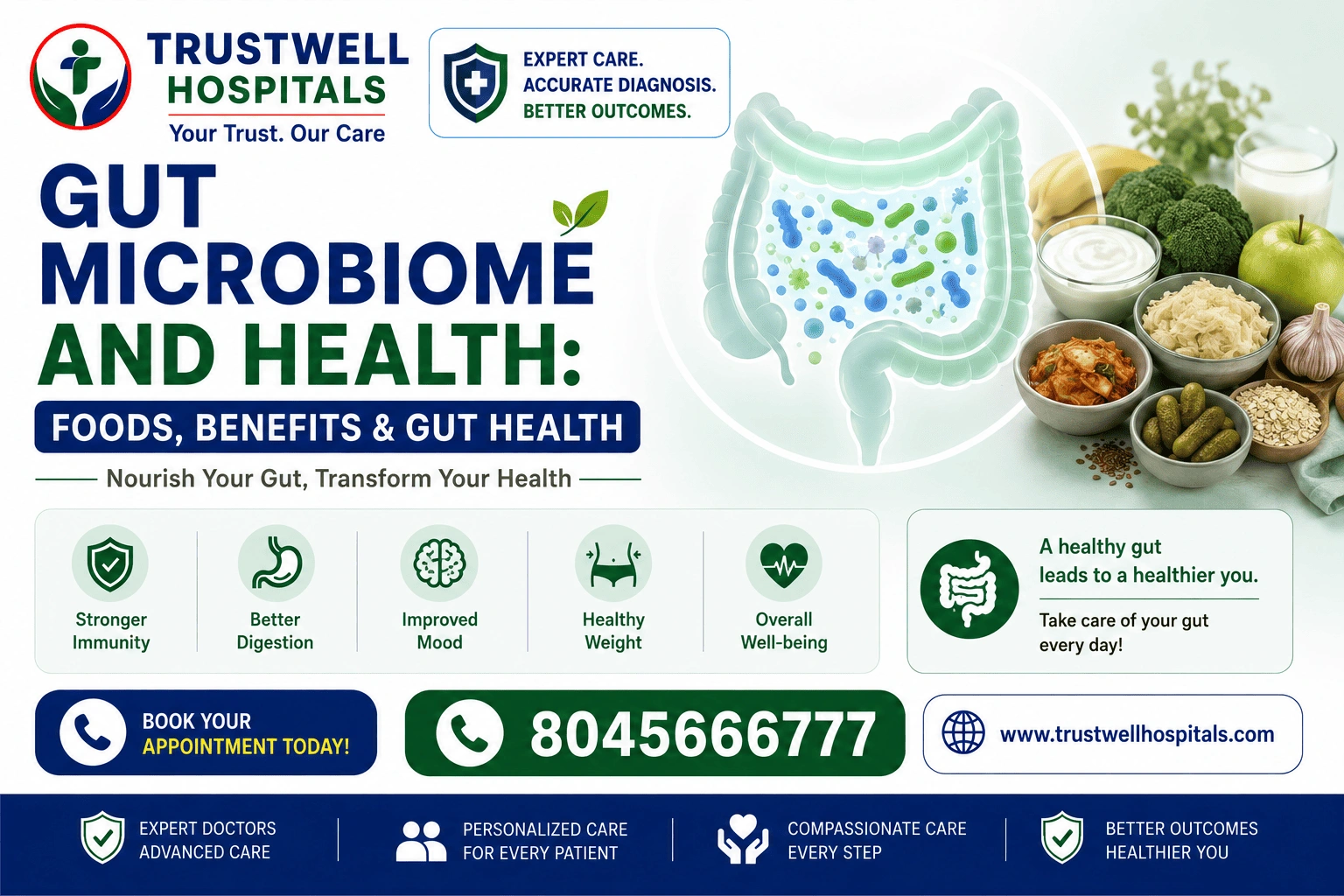
The gut microbiome includes a complex community of bacteria and other microorganisms living in the digestive tract. Different people have different microbiome compositions, and the balance can change over time. These microorganisms participate in processes such as:- Breaking down components of food that the human digestive system cannot fully digest
- Producing certain compounds during the fermentation of dietary fibre
- Interacting with the intestinal lining
- Communicating with aspects of the immune system
- Influencing the local digestive environment
- Contributing to the metabolism of certain nutrients and compounds
Why Is Gut Microbiome Health Important?
A healthy gut is not defined by having a single “good” bacterial strain. Instead, researchers are increasingly interested in microbial diversity, community balance, and how microorganisms interact with their host.Digestion
Gut microorganisms help ferment certain types of dietary fibre and other compounds that reach the colon without being fully digested earlier in the gastrointestinal tract. This fermentation produces metabolites, including short-chain fatty acids, that can interact with the intestinal environment.Immune Function
A substantial part of the body’s immune system is associated with the gastrointestinal tract. Microorganisms in the gut interact with immune processes and the intestinal barrier. This does not mean that a specific probiotic can “boost immunity” in every person. The relationship is much more complex and depends on the individual’s microbiome and health.Metabolic Health
The gut microbiome is being studied in relation to metabolic processes, including glucose regulation, energy metabolism, and obesity. However, microbiome research is still developing, and associations do not necessarily mean that changes in the microbiome directly cause a particular disease.Gut Barrier
The intestinal lining forms an important barrier between the contents of the digestive tract and the body’s internal environment. The microorganisms living near this barrier interact with the intestinal environment and may influence its function.Which Foods Support a Healthy Gut Microbiome?
Diet is one of the most important factors influencing the gut microbiome. Rather than focusing on a single “superfood,” a diverse eating pattern can provide different types of fibre and other compounds for gut microorganisms.Vegetables
Vegetables provide fibre and a variety of plant compounds. Including different vegetables throughout the week can increase dietary diversity. Leafy greens, carrots, beans, gourds, broccoli, cauliflower, and other vegetables can be incorporated according to personal preference and tolerance.Fruits
Whole fruits provide fibre, vitamins, minerals, and naturally occurring plant compounds. Eating a variety of fruits can contribute to overall dietary diversity.Whole Grains
Oats, whole wheat, brown rice, millets, and other whole grains provide dietary fibre that can support normal bowel function and provide substrates for microbial fermentation.Pulses and Legumes
Lentils, chickpeas, beans, peas, and other legumes can provide fibre and plant-based protein. If you are not accustomed to eating large amounts of legumes, increasing them gradually may help reduce temporary bloating.Nuts and Seeds
Nuts and seeds provide fibre, unsaturated fats, and other nutrients. They can be included in appropriate portions as part of a balanced diet.Fermented Foods
Some fermented foods contain live microorganisms. Examples include certain varieties of yoghurt and other traditionally fermented foods. However, the presence of microorganisms in a food does not automatically mean that it will produce a specific health benefit for every person.How Does Fibre Help the Gut Microbiome?
Dietary fibre is an important source of fuel for some microorganisms in the colon. Certain fibres are fermented by gut bacteria, producing short-chain fatty acids and other metabolites. Good dietary sources include:- Vegetables
- Fruits
- Whole grains
- Lentils
- Beans
- Chickpeas
- Nuts
- Seeds
How Can You Support a Healthy Gut Microbiome?
Supporting the gut microbiome is less about following a rigid food list and more about creating consistent habits that provide dietary variety and support normal digestive function.Eat a Diverse Range of Plant Foods
Different plant foods provide different types of fibre and naturally occurring compounds. Rotating vegetables, fruits, legumes, whole grains, nuts, and seeds through your meals can increase dietary variety. You do not need to introduce every food at once. Adding new plant foods gradually can make dietary changes easier to maintain.Stay Adequately Hydrated
Fluids are important for normal bowel function, particularly when dietary fibre intake increases. Water is a simple everyday choice, although individual fluid requirements vary according to health, activity, climate, and other factors.Include Regular Physical Activity
Physical activity is associated with several aspects of metabolic and digestive health. Walking, cycling, swimming, strength training, or another activity you enjoy can help make movement a regular part of your routine.Maintain Consistent Sleep
Sleep affects many biological processes, and maintaining a regular sleep schedule can support overall wellbeing. Irregular or insufficient sleep may also make it harder to maintain consistent eating and exercise habits.Avoid Unnecessary Restrictive Diets
Removing large groups of foods without a clear reason can reduce dietary variety. If a particular food appears to trigger symptoms, discuss the pattern with a healthcare professional rather than eliminating multiple food groups without guidance.What Can Affect the Gut Microbiome?
The composition of the gut microbiome can change in response to several factors. Some are within your control, while others are related to health conditions, age, or medical treatment.Diet
Dietary patterns can influence which microorganisms have access to different nutrients. A varied diet containing adequate fibre can provide a broader range of substrates for microbial fermentation.Antibiotics and Other Medicines
Antibiotics can alter the gut microbiome because they affect susceptible bacteria alongside the bacteria responsible for an infection. Other medications may also influence the gastrointestinal environment. Antibiotics should therefore be taken only when prescribed and according to medical advice. They should not be used solely to modify the gut microbiome.Stress
Psychological stress can influence gastrointestinal function and may affect symptoms such as abdominal discomfort, altered bowel habits, or bloating. For a deeper look at this relationship, read Stress, Anxiety and Gut Health.Age
The gut microbiome changes throughout life. The composition found in childhood can differ from that seen in adulthood or older age.Illness and Medical Conditions
Gastrointestinal infections, inflammatory conditions, metabolic disorders, and other health problems can influence the intestinal environment and may be associated with changes in the microbiome.What Is the Gut-Brain Connection?
The digestive tract and brain communicate through several pathways, often described as the gut-brain axis. Signals can travel between the nervous system, gastrointestinal tract, immune system, and microbial environment. This relationship helps explain why emotional stress can sometimes coincide with digestive symptoms. However, it does not mean that all digestive problems are caused by anxiety or that changing the microbiome alone will resolve psychological conditions. Stress management, adequate sleep, physical activity, and appropriate medical care can all form part of a broader approach to digestive wellbeing.Do Probiotic Foods and Supplements Improve Gut Health?
Probiotics are live microorganisms that may provide a health benefit when consumed in appropriate amounts. Their effects can vary according to the specific strain, dose, duration of use, and the health of the individual.Probiotic Foods
Some fermented foods contain live microorganisms, including certain yoghurts and traditionally fermented foods. Their nutritional value can make them useful additions to a balanced diet when they are well tolerated.Probiotic Supplements
A probiotic supplement should not automatically be considered necessary simply because it is marketed for “gut health.” Different products contain different microorganisms, and evidence for one strain or condition cannot automatically be applied to another. People with significant illness, weakened immunity, or complex medical conditions should discuss probiotic use with their healthcare professional before starting a supplement.Prebiotics
Prebiotics are substances, often specific types of dietary fibre, that can be utilised by microorganisms in the gut. Many naturally fibre-rich foods provide prebiotic substrates. Rather than relying on a supplement, a varied diet can provide multiple types of fibre and plant compounds.How Do Everyday Habits Influence the Gut Microbiome?
The gut microbiome responds to the environment created by your diet, activity, sleep, medications, and other aspects of daily life. Rather than trying to control individual microorganisms, the practical goal is to support an overall healthy digestive environment.Eat at Regular Times
A consistent eating pattern can make it easier to maintain balanced meals and avoid frequent reliance on highly processed snacks. The exact meal schedule can vary according to work, family routines, cultural food preferences, and individual needs.Reduce Excessively Processed Foods
A diet dominated by highly processed foods may provide less dietary fibre and plant diversity than a varied whole-food eating pattern. Choosing vegetables, fruits, legumes, whole grains, nuts, and seeds more often can improve overall dietary quality.Be Physically Active
Regular movement can support bowel function and broader metabolic health. You do not need a specialised exercise programme to become more active. Walking, cycling, household activity, or structured exercise can all contribute to daily movement.Manage Ongoing Stress
Stress can influence digestive symptoms and eating patterns. Building manageable stress-reduction habits, such as regular physical activity, adequate sleep, relaxation techniques, or time away from work, can support overall wellbeing.Avoid Smoking
Smoking affects multiple body systems and is associated with several gastrointestinal conditions. Avoiding tobacco is an important part of protecting overall digestive and long-term health.Can Gut Microbiome Health Affect Digestive Symptoms?
The microbiome is associated with digestive processes, but symptoms such as bloating, constipation, diarrhoea, abdominal discomfort, or changes in bowel habits cannot be attributed to the microbiome alone. Different conditions can produce similar symptoms. These may include food intolerances, irritable bowel syndrome, infections, inflammatory bowel disease, medication effects, and other gastrointestinal disorders. For example, people who repeatedly develop bloating, abdominal discomfort, or diarrhoea after consuming dairy products may need to consider whether lactose intolerance could be contributing to their symptoms. You can learn more about this in Lactose Intolerance and Its Treatment. Persistent or unexplained digestive symptoms should be assessed rather than self-diagnosed as a microbiome imbalance.What Is the Relationship Between the Gut Microbiome and Fatty Liver?
The gut and liver are connected through the gut-liver axis, which allows substances and signals from the gastrointestinal tract to interact with the liver through circulation. Researchers are studying how the gut microbiome may relate to metabolic health and liver conditions. However, microbiome research does not mean that a specific probiotic, food, or supplement can treat fatty liver. For practical information about dietary and lifestyle approaches to liver health, read Diet and Lifestyle Changes for Fatty Liver.What Should You Do If You Have Persistent Digestive Symptoms?
A change in bowel habits or occasional bloating does not necessarily indicate a serious problem. However, symptoms that persist, repeatedly return, or interfere with daily life deserve appropriate assessment. Keep track of useful details such as:- When the symptoms started
- How frequently they occur
- Whether particular foods appear to trigger them
- Changes in bowel frequency or stool consistency
- Any associated abdominal discomfort
- Recent medication or antibiotic use
- Changes in weight or appetite
- Whether symptoms affect sleep or everyday activities

